First Day of Preschool Anxiety: What's Normal and What Helps
First day of preschool anxiety is common. Discover why it happens, what signs to watch for, and evidence-based strategies to ease your child's transition.
Erika Wong
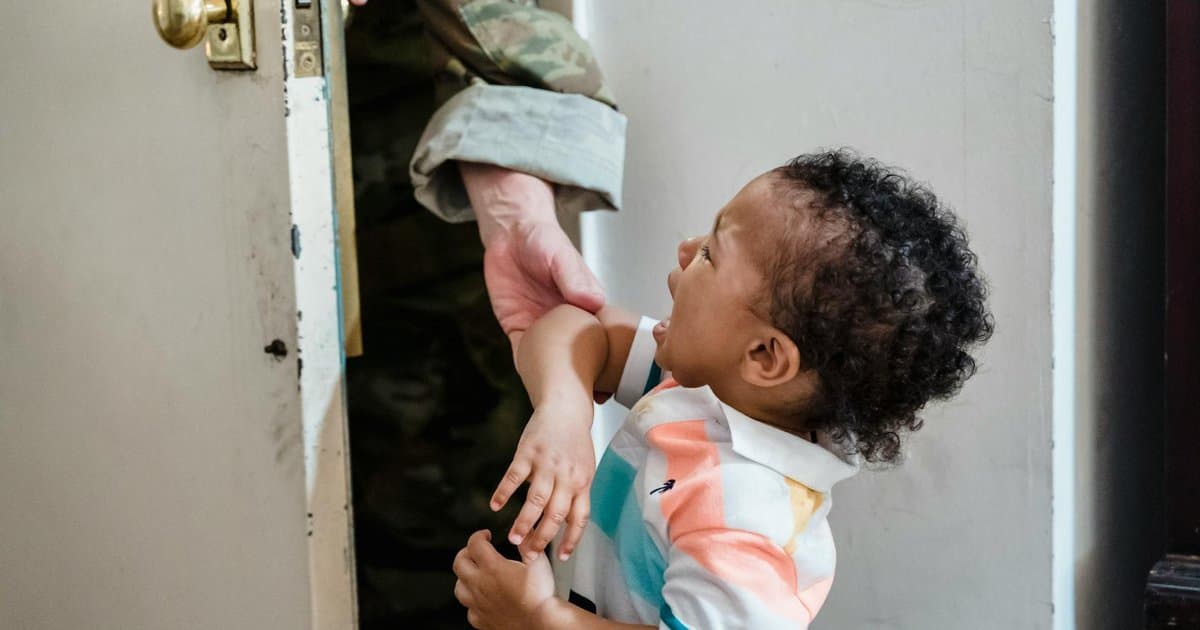
First day of preschool anxiety is a predictable part of development, not a sign that something is wrong. Most children between ages 2 and 4 experience some combination of clinginess, tears, and resistance when entering an unfamiliar environment with new adults and peers. The intensity depends on your child's temperament, their prior experience with separation, and, more than most parents realize, how you handle the transition yourself.
Key Takeaways
- Most preschool anxiety resolves within 2 to 4 weeks of consistent attendance.
- Parental anxiety directly shapes a child's stress response at drop-off.
- Short, predictable goodbye rituals reduce crying faster than long goodbyes.
- Regression in sleep, toileting, or speech is normal during adjustment.
- Escalating distress after week 4 warrants a conversation with your pediatrician.
Why First Day of Preschool Anxiety Happens
Separation anxiety peaks between 12 and 36 months, according to most developmental timelines. It can resurface at any major transition, and starting preschool is one of the biggest. Your child is simultaneously adjusting to unfamiliar adults, new sounds, different rules, and a group of peers they've never met.
This is a lot of processing for a brain that's still learning to regulate emotions. According to Gutteling et al. (2005) 3, children's cortisol levels (a biological marker of stress) spike measurably on the first day of school, confirming that the anxiety has a real physiological basis.
Children also lose something that matters deeply to them: control over their routine. At home, they know where things are, who's nearby, and what happens next. Preschool removes all of that predictability at once. Many parents find that acknowledging this loss, rather than minimizing it, helps children feel understood.
Recognizing Anxiety Signs in Your Preschooler
Not every anxious child cries. Some go quiet. Others act out. Knowing what to watch for helps you respond appropriately rather than guessing.
Physical symptoms include stomachaches, headaches, nausea, and complaints of "not feeling well," particularly on school mornings. These aren't fake. Anxiety produces real physical sensations, even in toddlers.
Behavioral signs are often easier to spot: refusing to let go of your leg, excessive crying at drop-off, sudden aggression with siblings, or unusual shyness around familiar people. Some children ask repeatedly about pickup time, seeking reassurance that you'll return.
Regression is one of the most common responses. A child who was reliably dry may start having accidents. Baby talk, thumb-sucking, or renewed attachment to a pacifier can all reappear. If your child recently mastered toileting, know that regression doesn't undo their progress. You can revisit signs your toddler is ready for potty training once the adjustment period settles.
Preparing Your Child Before Day One
Start preparation 2 to 4 weeks before the first day. Visit the classroom if the school allows it, and walk the playground together. Let your child see the bathrooms, the cubbies, and the snack area. Familiarity reduces the number of unknowns they'll face.
Read age-appropriate books about starting school. According to Abdi (2025) 2], storytelling significantly reduces anxiety in children facing unfamiliar situations, because hearing characters navigate similar feelings validates their own emotions. A [personalized preschool story can be especially effective, since children see themselves in the narrative and rehearse the experience before it happens.
Practice separation in small doses. Leave your child with a trusted relative for 15 minutes, then 30, then an hour. Each successful reunion teaches them that you come back.
Use consistent, honest language: "I'm going to work. Ms. Sarah will take care of you. I'll pick you up after snack time." Avoid saying "I'll be right back" if you won't be. Children remember.
Managing Your Own Anxiety as a Parent
Your child reads your face, your body language, and your voice more accurately than you think. Research by Peleg (2006) 1 found that maternal separation anxiety directly correlates with children's own separation anxiety and adjustment difficulties. When you linger at the door looking worried, your child interprets the situation as dangerous.
This doesn't mean you should feel guilty for being nervous. It means managing your own response is one of the most effective things you can do. Try these approaches:
Keep goodbyes short. Two to three minutes maximum. A hug, a kiss, a wave, and you leave. Returning after your child cries teaches them that crying brings you back, which makes the next drop-off harder.
Never sneak away. It might avoid tears in the moment, but it breaks trust. Your child needs to know that goodbyes are predictable and that you won't vanish.
Build a post-drop-off ritual for yourself. Coffee with a friend, a short walk, or a few minutes of deep breathing in the car. You need a transition too.
The First Week: What to Expect and How to Respond
Days one through three are typically the hardest. Some children cry every morning for one to two weeks. This does not mean preschool is wrong for them.
At pickup, resist the urge to ask "Did you have fun?" or "Did you make friends?" These questions create performance pressure. Try neutral alternatives: "What did you play with today?" or "Tell me about snack time." Many children won't say much, and that's fine. Processing takes time.
At home, keep everything else stable. Same bedtime, same bedtime routine, favorite meals, familiar activities. Your child is burning enormous emotional energy during the day. Evenings should feel safe and predictable.
If your preschool offers gradual entry (two hours the first week, extending to full days), take advantage of it. Shorter initial sessions give children time to build trust with teachers before the full schedule begins. Many early childhood programs recommend this approach, and the NAEYC's guidelines on transitions support gradual adjustment periods.
When Preschool Anxiety Is Normal vs. When to Worry
Normal anxiety looks like this: tears at drop-off that stop within 5 to 10 minutes, occasional regression, tiredness after school, vivid dreams, and questions about when you're coming back. These patterns typically ease within two to four weeks.
Concerning signs develop differently. Watch for distress that escalates rather than decreases after week three or four. Prolonged screaming or panic that doesn't resolve after you leave, physical aggression toward teachers or peers, sudden regression in multiple developmental areas at once, or flat refusal to enter the building all warrant attention.
Also pay attention to what your child says. Vague complaints ("I don't like it") are normal. Specific, repeated statements about a particular person or event deserve follow-up with the teacher. Trust your instincts. If something feels off, ask questions.
Tools That Actually Help Reduce First Day of Preschool Anxiety
Visual schedules reduce uncertainty. Draw or print simple pictures of the day's activities in order: circle time, snack, playground, art, pickup. Reviewing this each morning gives your child a roadmap.
A transition object can bridge home and school. A small stuffed animal, a family photo tucked in a pocket, or a bracelet they can touch when they miss you. Most teachers welcome these. Ask about your school's policy.
Create a goodbye ritual and stick to it. "Two kisses, a high-five, and a wave" is simple enough for a two-year-old to remember. Rituals signal closure. They replace negotiation with predictability.
Avoid bribes. Promising treats for not crying reinforces the idea that crying is bad and that school requires compensation. Instead, acknowledge feelings: "It's okay to feel nervous. You can do this."
For children who struggle with peer interactions, social stories for teaching kids to make friends can help them practice social scenarios before encountering them in real life.
Questions to Ask Your Preschool
Before the first day, have a direct conversation with your child's teacher. Ask how they handle separation tears. Good answers include phrases like "We validate their feelings and redirect" or "We hold them and read a story." Red flags include punishing tears, isolating upset children, or dismissing your concerns.
Ask about communication. Will you receive photos or updates during the day? Does the school use an app, a daily note, or a phone call policy? Knowing your child is okay reduces your own anxiety, which in turn helps your child.
Find out whether teachers have training in early childhood anxiety or trauma-informed care. According to the Zero to Three guidelines on separation, responsive caregiving during transitions is critical to building secure attachment with new adults. Ask how they build relationships with children during the first weeks.
If your child's anxiety worsens specifically after interactions with a particular staff member, take that seriously and schedule a meeting.
Building Confidence Beyond the First Week
Once the initial adjustment passes, shift your focus to reinforcing independence. Praise effort and bravery rather than happiness: "You felt scared this morning and you still walked in. That took courage."
Maintain consistent routines even after things improve. Predictability builds the kind of security that prevents anxiety from resurfacing at the next transition, whether that's a new classroom, a new teacher, or kindergarten.
Celebrate small milestones without making them high-stakes. A first painting brought home, a new friend mentioned at dinner, or a morning without tears are all worth noticing. Keep celebrations low-key. A simple "That's great. Tell me more" works better than elaborate rewards.
Some families find that exploring how AI is changing early childhood education helps them understand the tools their preschool might already use, from adaptive learning apps to communication platforms that keep parents connected throughout the day.
When to Talk to Your Pediatrician
Schedule a visit if your child's anxiety is escalating after four weeks of consistent attendance, if they show regression in multiple areas simultaneously (sleep, eating, toileting, and speech), or if they describe specific fears that suggest something more than normal adjustment.
Also consult your pediatrician if your own anxiety about the transition feels unmanageable. Parental mental health directly affects children's adjustment, and getting support for yourself is not selfish. It's strategic.
Get practical parenting tips delivered weekly
Evidence-based guidance for the moments that matter. No spam, unsubscribe anytime.
Frequently Asked Questions
Keep reading

Supporting Siblings During NICU Stay: What Parents Need to Know
Help siblings cope with NICU stress through honest explanations, routines, and connection activities. Most behavioral changes resolve within weeks of discharge.
10 min read

Teaching Empathy Through Children's Stories: A Practical Guide
Learn how to teach empathy through children's stories with practical techniques. Research shows kids develop stronger peer relationships with regular diverse
10 min read

How to Motivate Students on Classroom Behavior (Strategies That Work)
Master 8 proven strategies to motivate students on classroom behavior. Learn why specific praise and consistency outperform rewards, plus tools that work.
9 min read
Get weekly parenting tips backed by research
Evidence-based guidance for the moments that matter. No spam, unsubscribe anytime.