Documenting Blended Family Memories: A Practical Guide for Modern Families
Learn how to document blended family memories across households. Includes 5 practical methods, tips for involving reluctant stepchildren, and ways to create

Matt Li
Documenting Blended Family Memories: A Practical Guide for Modern Families
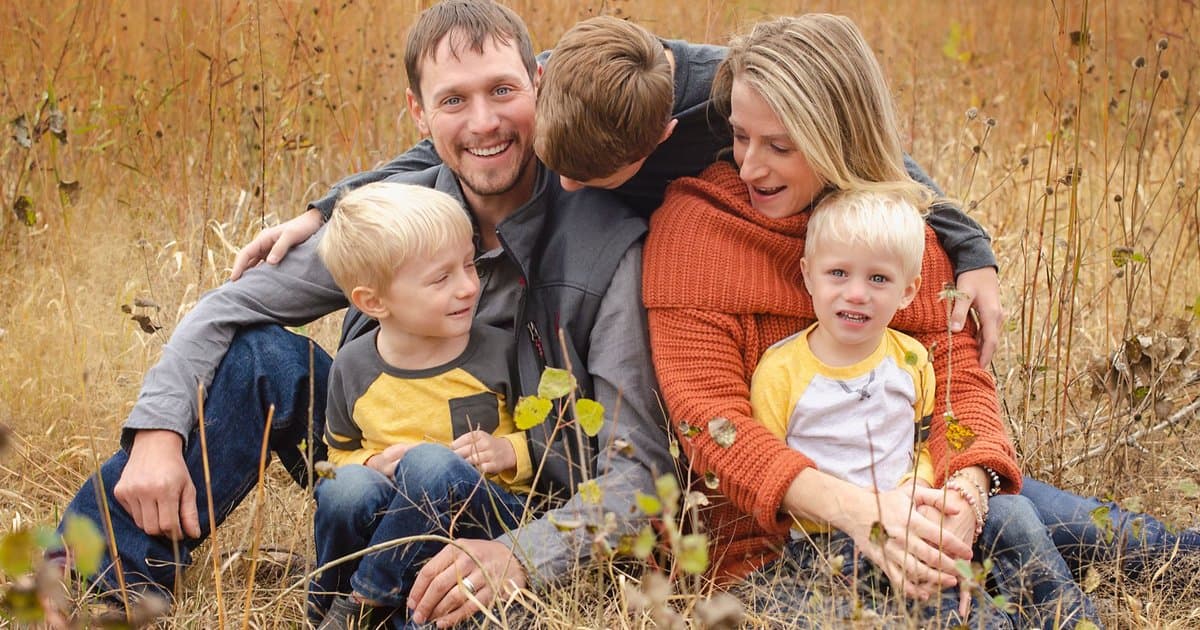
Documenting family memories in a blended family starts with one deliberate choice: make every member visible in the story you're building together. Capture photos, write captions, and save small moments from all households, not just holidays or posed portraits. When stepchildren and biological children alike see themselves woven into a shared record, it strengthens their sense of belonging and identity.
Key Takeaways
- Deliberate documentation helps blended families build a shared narrative that reinforces belonging.
- Everyday moments matter more than holidays for creating authentic family records.
- Include contributions from all households to honor each child's full story.
- Reluctant stepchildren need agency over how they're represented, not pressure.
- Revisiting documentation regularly turns photos into meaningful family identity.
Why Documenting Blended Family Memories Matters
Blended families face a unique challenge: building shared history from scratch. Unlike families that accumulate memories from birth, stepfamilies often lack early photos together, inside jokes, or a collective "origin story." Intentional documentation fills that gap.
According to FamilyLife, shared memories serve as emotional glue that binds families together over time 1. For blended families, this bonding material doesn't appear on its own. It requires effort.
HelpGuide notes that stepchildren often struggle with loyalty conflicts and feelings of being an outsider 2. When a child flips through an album and sees themselves laughing with a stepsibling at a campsite, or baking with a stepparent on a Tuesday night, it sends a quiet message: you belong here. Family therapists sometimes call this "family coherence," the way children construct a narrative that makes sense of who they are within their family unit. Documentation gives that narrative something concrete to hold onto.
Direct Methods for Documenting Family Memories
Start by choosing a format that everyone can access. Digital shared albums (through Google Photos, Apple Shared Albums, or similar platforms) allow multiple adults across households to contribute photos in real time. Physical memory books require more effort but feel more permanent.
A hybrid approach works well for many blended families: save photos digitally throughout the month, then print a photo book once a year. This balances convenience with something tangible children can hold and revisit.
Method | Best For | Drawback |
|---|---|---|
Shared digital album | Co-parents in separate homes | Easy to forget to review |
Physical scrapbook | Younger children, hands-on families | Hard to share across households |
Family journal | Capturing emotions and small moments | Requires consistent writing habit |
Hybrid (digital + annual print) | Most blended families | Slightly more effort to maintain |
The right method depends on who takes the photos, who will contribute, and what feels authentic rather than forced.
Setting Up Systems That Include Everyone
Documentation breaks down when only one parent carries the responsibility. Spread it out. Assign specific events or weekends to different family members so contributions come from multiple perspectives.
According to Psychology Today, blended families form over years, not weeks, and building rituals around shared activities accelerates the bonding process 3. Making documentation a shared ritual, where everyone has a role, reinforces this principle.
Practical steps to set up your system:
- Create a shared album and invite all adults, plus older children who have phones.
- Establish a simple naming convention for photos (date + event name keeps things findable).
- Hold a brief monthly check-in: "What photos should go in the book this month?"
- Let visiting children add their own photos from time spent at the other household.
When stepparents, biological parents, and even grandparents contribute to the same record, the documentation itself becomes proof that the family is a team.
Capturing Meaningful Moments Beyond Holidays
Holiday photos matter, but they don't tell the whole story. The moments that build blended family identity tend to be smaller: a stepparent helping with homework, two stepsiblings sharing headphones in the backseat, a quiet evening on the porch after a hard week.
These everyday interactions are harder to remember to photograph. One solution is a "moment journal," a running note on your phone where you jot down a sentence or two about something that happened. "Tonight, Liam asked Sarah to read him a bedtime story for the first time." That note, paired with a quick snapshot, carries more emotional weight than any posed holiday portrait.
Consider documenting the milestones of the blended family itself: the first vacation as a full group, the day everyone chose a movie without arguing, the first time a stepchild introduced a stepparent to a friend by name. These markers show growth and help children see that relationships develop gradually.
Involving Reluctant Stepchildren in Documentation
Teenagers and older stepchildren sometimes resist being documented. This resistance is usually age-appropriate, not a rejection of the family. Forcing participation backfires.
Instead, give them control. Let them choose what gets photographed. Hand them a disposable camera (or just ask them to share a few favorites from their phone each month). When a child curates their own contribution, they shift from being a subject to being a storyteller. That reframe matters.
According to the University of Florida IFAS Extension, children in blended families need time and space to adjust, and pressuring emotional displays often increases resistance 4. The same applies to documentation. A caption like "First camping trip as the full crew" acknowledges the newness honestly. Candid shots of genuine moments land better than staged group photos with forced smiles.
If a child doesn't want to appear in photos at all, respect that. Ask if they'd be willing to take photos instead, or write a caption for someone else's picture. Participation comes in many forms.
When Documentation Feels Forced or Awkward
If capturing family moments is creating tension, scale back. Documentation should serve the family, not add one more obligation to an already complicated schedule.
Some signs you might need to adjust:
- Children groan or hide when the camera comes out.
- One parent feels the entire burden falls on them.
- Photo sessions turn into arguments about who's included.
- The process feels performative rather than genuine.
Try reducing the frequency. Monthly or quarterly documentation feels less intrusive than daily or weekly attempts. Some families find it easier to hire a photographer once or twice a year for casual family sessions, removing the pressure from any one person. Others simply keep a shared note where anyone can jot down a memory, with no photos required.
Check in annually as a family: "Is this working for us, or do we need to change something?" Flexibility keeps the practice alive long-term.
Creating a Blended Family Record That Honors All Relationships
One of the most sensitive aspects of documenting blended family memories is honoring the full picture. Children in blended families have lives across multiple households, and their record should reflect that reality.
Include photos from all configurations: stepparent outings, biological parent weekends, full blended group gatherings, and one-on-one time. Write captions that acknowledge complexity rather than erasing it. "Dad and Maya's Saturday hike" sits comfortably alongside "Whole family game night" without suggesting one matters more than the other.
Avoid creating a record that rewrites history. A timeline that includes the "before" (each family's earlier life) alongside the "after" (the blended unit) gives children a complete story. HelpGuide emphasizes that children do best in blended families when they feel their original family is honored alongside the new one 2.
If co-parenting tensions make shared documentation impossible, keep separate records. The stepchild still benefits from seeing themselves in each household's story.
Transforming Documentation Into Lasting Keepsakes
Photos sitting in a phone folder don't build family identity. Revisiting and sharing them does. Plan to transform your documentation into something the family interacts with.
Annual printed photo books work well as a ritual. Sit down together each December, select the year's best moments, and order a book. Watching the shelf of books grow year over year gives children a physical sense of permanence.
Some families create a kindergarten classroom memory book approach for younger children, adapted for home use. Others compile video montages set to music for birthdays or anniversaries. Extended family members, especially step-grandparents, often appreciate receiving a shared digital album that normalizes the blended family structure without requiring explanation.
For blended families navigating two-household dynamics, a children's book like My Two Homes, Two Hearts can help younger children see their family structure reflected in a story. Some parents also explore personalized story books as a way to celebrate a child's unique family. During the holidays, personal Christmas story ideas can mark shared traditions that are still taking shape.
When to Talk to a Family Therapist
Documentation is a support tool, not a fix for deeper issues. If a stepchild consistently refuses to appear in or contribute to any family record after a year or more, it may signal unresolved feelings about the family transition. Similarly, if documentation triggers conflict between co-parents, a family therapist can help establish boundaries.
According to Psychology Today, blended families that struggle with cohesion after two to three years may benefit from professional support to address underlying loyalty conflicts or unresolved grief 3. A therapist experienced with blended family dynamics can help the family find documentation practices that feel right, or suggest pausing them entirely if the timing isn't right.
If a child expresses distress about being photographed, posted online, or included in family records, take that seriously. Their feelings about documentation often reflect their feelings about the family itself, and those feelings deserve attention.
Frequently Asked Questions
Should I document the "before and after" of becoming a blended family differently?
Yes. Documenting the transition itself, including awkward early dinners and gradually easier moments, creates a narrative arc children find meaningful. It shows that relationships develop over time rather than appearing fully formed.
What if the biological parents don't want overlapping documentation?
Respect that boundary and create documentation within your own household. You're not erasing the other parent by capturing your family's moments together, and the stepchild still benefits from seeing themselves in your family's story.
How often should we actually review or share what we've documented?
Monthly or quarterly feels natural for most families. Annual reviews where everyone picks a favorite moment help children see patterns and feel intentional about the record they're building.
Can documentation help if the stepfamily relationship is strained?
Sometimes. It can create a gentle narrative of connection growing over time. If there's active conflict, though, documentation may feel forced. It works best to reinforce existing positive feelings rather than manufacture them.
What's different about documenting a blended family compared to a typical family?
Blended families benefit from more intentional documentation because relationships are newer and children may struggle with belonging. Deliberate record-keeping sends a clear message: "You are part of this family's story."
Sources
- FamilyLife. Memories That Bind a Family. https://www.familylife.com/articles/topics/parenting/essentials/making-memories-essentials/memories-that-bind-a-family/
- HelpGuide. Blended Family and Step-Parenting Tips. https://www.helpguide.org/family/parenting/step-parenting-blended-families
- Psychology Today. The Blended Family. https://www.psychologytoday.com/us/basics/family-dynamics/blended-family
- University of Florida IFAS Extension. Couples Considering a Blended Family. https://ask.ifas.ufl.edu/publication/HE358
Get practical parenting tips delivered weekly
Evidence-based guidance for the moments that matter. No spam, unsubscribe anytime.
Frequently Asked Questions
Keep reading
How to Create a Dog Memorial Book (With Printable Templates)
Create a dog memorial book with photos, stories, and mementos. Learn 5 organizational tips and design ideas for honoring your pet's memory.
8 min read
How to Write a Wedding Speech for Your Aunt and Uncle (With Examples)
Write a heartfelt 3-5 minute wedding speech for your aunt and uncle. Follow this proven structure with character-focused stories and authentic delivery tips.
7 min read
Cat Memorial Book Ideas: Creating a Lasting Tribute
Create a cat memorial book with photos, memories, and keepsakes. Learn 6 meaningful ways to honor your pet and process grief with this personalized tribute.
7 min read
Get weekly parenting tips backed by research
Evidence-based guidance for the moments that matter. No spam, unsubscribe anytime.