Eid Celebration Planning for Schools: A Practical Guide
Plan authentic Eid celebrations in schools with 4-6 weeks lead time. Involve Muslim families, focus on gratitude and generosity, and engage your entire school

Matt Li
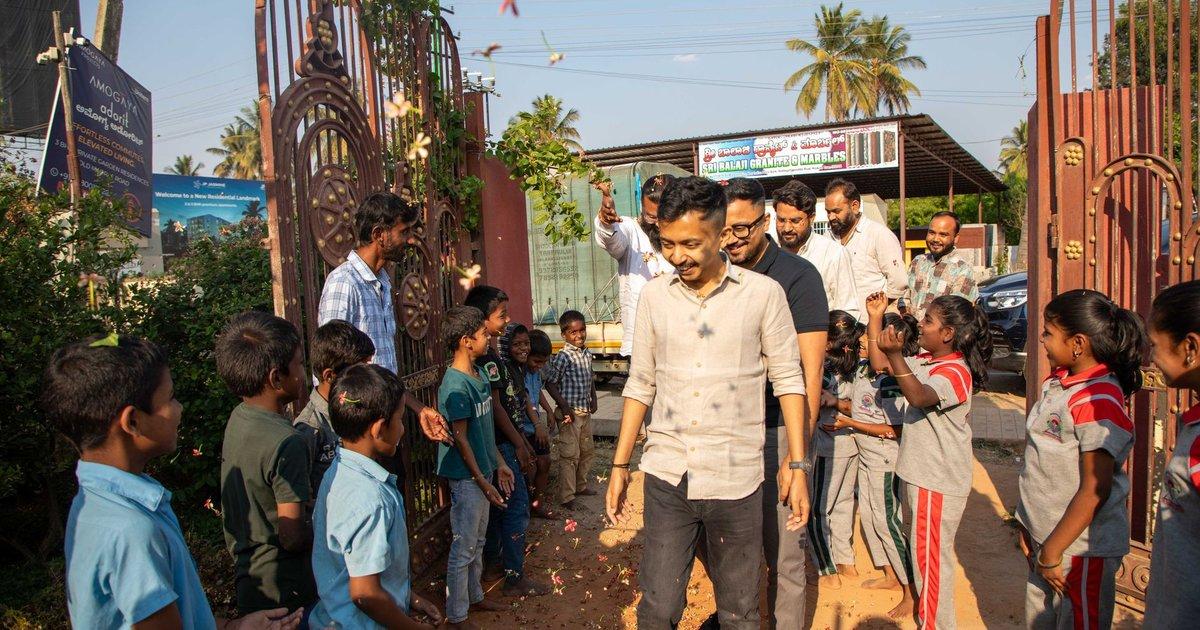
Start with genuine consultation, not decoration. Effective Eid celebration planning for schools means involving Muslim families in decisions from the beginning, training staff on the meaning behind the celebration, and choosing activities that reflect Eid's values of gratitude, generosity, and community rather than reducing it to crafts and food. The schools that do this well treat Eid as part of a broader diversity calendar, not a one-off event.
Key Takeaways
- Consult Muslim families 4-6 weeks before Eid to co-design celebrations respectfully.
- Focus activities on Eid's core values: gratitude, generosity, and community connection.
- Never position Muslim students as classroom ambassadors for their faith.
- Eid dates shift annually on the lunar calendar, so confirm dates early each year.
- Authentic inclusion means whole-school engagement, not singling out Muslim pupils.
Celebrating Eid at School With Authenticity and Respect
Schools can celebrate Eid by sharing age-appropriate stories about its meaning, inviting community speakers, organizing charity-focused projects, and creating space for students to learn about gratitude and generosity. The goal is education and inclusion, not performance.
Too many school Eid celebrations stop at crescent moon cutouts and henna stations. While those elements aren't wrong on their own, they miss what Eid actually means to Muslim families. According to Twinkl 1, effective school celebrations focus on helping all students understand the spiritual significance of Eid, not just its visual markers.
When you center meaning over aesthetics, non-Muslim students gain genuine understanding and Muslim students feel their faith is valued rather than exoticized. This distinction shapes every decision in your planning process, from which activities you choose to how you communicate with families.
Understanding Eid Before You Plan
Eid al-Fitr and Eid al-Adha are two distinct Islamic celebrations, and conflating them is a common mistake in school settings. Eid al-Fitr marks the end of Ramadan, a month of fasting, prayer, and reflection. It's a joyful day centered on gratitude, new clothes, special meals, and charitable giving (known as Zakat al-Fitr). Eid al-Adha, which falls roughly two months later, commemorates Prophet Ibrahim's willingness to sacrifice and emphasizes compassion, obedience to God, and sharing meat with those in need.
Both celebrations follow the Islamic lunar calendar, which means dates shift by approximately 10-11 days each year on the Gregorian calendar. According to Sound Vision 3, pre-planning should include checking the lunar calendar early and building flexibility into your schedule since the exact date is often confirmed only days beforehand.
Both Eids share core practices: communal prayer, family gatherings, gift-giving (especially to children), and generosity toward neighbors and those experiencing hardship. Understanding these foundations prevents your celebration from feeling hollow.
Creating an Inclusive Whole-School Approach to Eid Celebration Planning
Rather than singling out Muslim students, involve your entire school community in learning about Eid. This prevents Muslim children from becoming reluctant classroom ambassadors and normalizes cultural celebration for everyone.
Start by surveying Muslim families. A short, respectful questionnaire asking whether they'd like to be involved, what feels appropriate, and what they'd prefer to avoid goes a long way. Some families will be enthusiastic contributors. Others may prefer to celebrate privately. Both responses deserve respect. This is similar to the family communication strategies outlined in guidance on preschool-communication-parents, where early, open dialogue builds trust.
Frame Eid as part of your school's existing diversity calendar. If you already celebrate Diwali, Lunar New Year, or Christmas, Eid belongs alongside them. According to ChildCareEd 2, integrating Eid into your regular multicultural programming prevents it from feeling like an afterthought or a box-ticking exercise. Brief all staff on Eid basics during a staff meeting so conversations are consistent across classrooms.
Classroom Activities That Honor Eid Authentically
Effective Eid activities teach students about the values behind the celebration, not just its visual elements. What works depends on age group, so plan accordingly.
Early primary (ages 4-7): Read-aloud stories about Eid traditions work well. Picture books like My Eid Stamps or Golden Domes and Silver Lanterns introduce concepts simply. Students can make Eid greeting cards for family members, focusing on messages of gratitude. Simple lantern crafts connect to the Ramadan tradition of illumination during evening prayers.
Upper primary (ages 7-11): Research projects exploring how Eid is celebrated in different countries (Indonesia, Nigeria, Turkey, the UK) teach students that Islam is a global, diverse religion. A classroom "thankfulness wall" where students write what they're grateful for mirrors Eid's reflective spirit. Organizing a class charity collection echoes Zakat al-Fitr.
Secondary (ages 11-16): Invite Muslim community members to speak about their personal Eid experiences. Student-led multimedia presentations on Eid traditions around the world build genuine understanding.
According to Urdu Mom 4, activities should avoid generic "Middle Eastern" crafts that have no connection to Eid, and teachers should never ask students to simulate prayer or fasting, as these are sacred practices.
Sensitive Conversations and Religious Respect
Students will have questions. "Why do Muslims fast?" and "Is Eid like Christmas?" are common, and they deserve honest, age-appropriate answers.
Frame fasting as a spiritual practice, similar to Lent in Christianity or Yom Kippur in Judaism. Explain that Muslims fast during daylight hours in Ramadan to practice self-discipline, empathy for those who go hungry, and closeness to God. Eid al-Fitr then celebrates the completion of that effort.
Prepare for harder questions too. If a student asks something inappropriate or based on stereotypes, acknowledge the question calmly, correct the misconception with facts, and move on. Avoid lengthy debates. Keep the tone educational, not defensive.
One critical rule: never ask Muslim students to perform their faith for classmates. They shouldn't be expected to demonstrate how they pray, explain theological concepts, or serve as representatives of 1.8 billion people. If you need an expert voice, invite a community speaker instead. This protects students from the exhaustion of being treated as cultural exhibits.
Planning Timeline for Eid Celebration Planning for Schools
Successful celebrations need 4-6 weeks of lead time. Since Eid dates shift yearly, set annual calendar reminders in both February (for Eid al-Fitr) and July (for Eid al-Adha) to begin preparation.
Timeline | Action |
|---|---|
6 weeks before | Check the lunar calendar, confirm the likely date, brief the leadership team |
4-5 weeks before | Consult Muslim families and staff, decide on school-wide vs. classroom activities |
3 weeks before | Finalize activity plans, book guest speakers, order materials |
2 weeks before | Brief all staff, communicate plans to families, prepare students |
1 week before | Confirm external guests, do final material checks, brief classes |
According to Sound Vision 3, flexibility is essential because the exact Eid date is often confirmed only 1-2 days in advance based on moon sighting. Build a backup day into your schedule.
This level of structured planning mirrors what works for other school-wide events, including the kind of preparation discussed in resources on mothers-day-classroom-activities-elementary.
Food and Celebration Considerations
Sharing food is central to Eid. Families prepare special dishes, and generosity at the table is a core value. But schools need to balance authenticity with safety.
Consult Muslim families about which simple traditional foods would work in a school setting. Dishes like date cookies, samosas, or baklava are common suggestions. Communicate ingredient lists clearly to all families, and pay attention to details that matter: gelatin (often pork-derived), food coloring sourced from insects, and whether meat is halal.
For students with allergies or dietary restrictions, provide non-food celebration options. A card-making station, a storytelling circle, or a collaborative art project ensures nobody is excluded.
According to Twinkl 1, the emphasis should stay on the social value of sharing rather than the food itself. Eid meals are about community. A shared snack with conversation about gratitude captures that spirit more effectively than an elaborate feast.
Resources and Guest Speakers
Local mosques are often your best resource. Many have education officers or community volunteers experienced in speaking at schools. Contact them early, as Eid season is busy.
Diverse representation matters here. Islam spans every continent and hundreds of cultures. A celebration that only features Arab traditions misses the richness of how Eid is observed in South Asian, West African, Southeast Asian, and Western Muslim communities. Invite speakers from different backgrounds when possible.
Some families also find that reading personalized stories helps children connect to celebrations. A personalized Eid storybook where a child sees themselves in the narrative can be a meaningful classroom read-aloud, especially for younger students who benefit from seeing their own traditions reflected in books.
Vet external speakers beforehand. A brief conversation about your school's inclusive values and what topics the speaker will cover prevents surprises. According to ChildCareEd 2, preparation with guest speakers ensures the message aligns with educational goals.
For staff looking to show appreciation toward colleagues who helped organize these events, ideas from meaningful-educator-appreciation-gifts can be a thoughtful gesture.
When Celebrations Need Adjustment
Good signs include Muslim families actively participating in planning, staff who understand the "why" behind activities, and non-Muslim students asking genuine questions. If Muslim students seem comfortable and their peers treat Eid as a normal part of the school year, you're on the right track.
Red flags include Muslim families expressing concern, activities that trivialize religious practice (like casual prayer reenactments), or non-Muslim students treating Eid as something exotic rather than a familiar cultural celebration.
If something feels off, pause. Debrief with Muslim families and staff privately. Ask what would feel better next time. Many families appreciate honest effort and humility far more than perfection. Scale back to simpler activities if needed, and rebuild trust slowly. The goal is long-term, genuine inclusion, not a single impressive event.
Get practical parenting tips delivered weekly
Evidence-based guidance for the moments that matter. No spam, unsubscribe anytime.
Frequently Asked Questions
Keep reading

Preparing Your Older Child for a New Baby: A Practical Guide
Help your older child adjust to a new sibling with evidence-based strategies. Most siblings adapt within 3-6 months with consistent routines and one-on-one
11 min read
Wedding Celebration Ideas for Extended Family: Meaningful Ways to Participate
Discover 8 wedding celebration ideas for extended family. Learn how to engage kids ages 3+ in ceremony roles, activities, and keepsakes at weddings.
8 min read

How to Prepare Your Toddler for an Airplane Trip (Step-by-Step)
Learn how to prepare toddlers for flying 2–3 weeks early using the 3-3-3 rule, social stories, and sensory prep to reduce anxiety and meltdowns.
8 min read
Get weekly parenting tips backed by research
Evidence-based guidance for the moments that matter. No spam, unsubscribe anytime.