Explaining Marriage and Weddings to Young Children: A Guide
Help your child understand weddings with age-appropriate explanations. Use 5 simple steps to prepare them for the ceremony and manage sensory experiences.

Matt Li
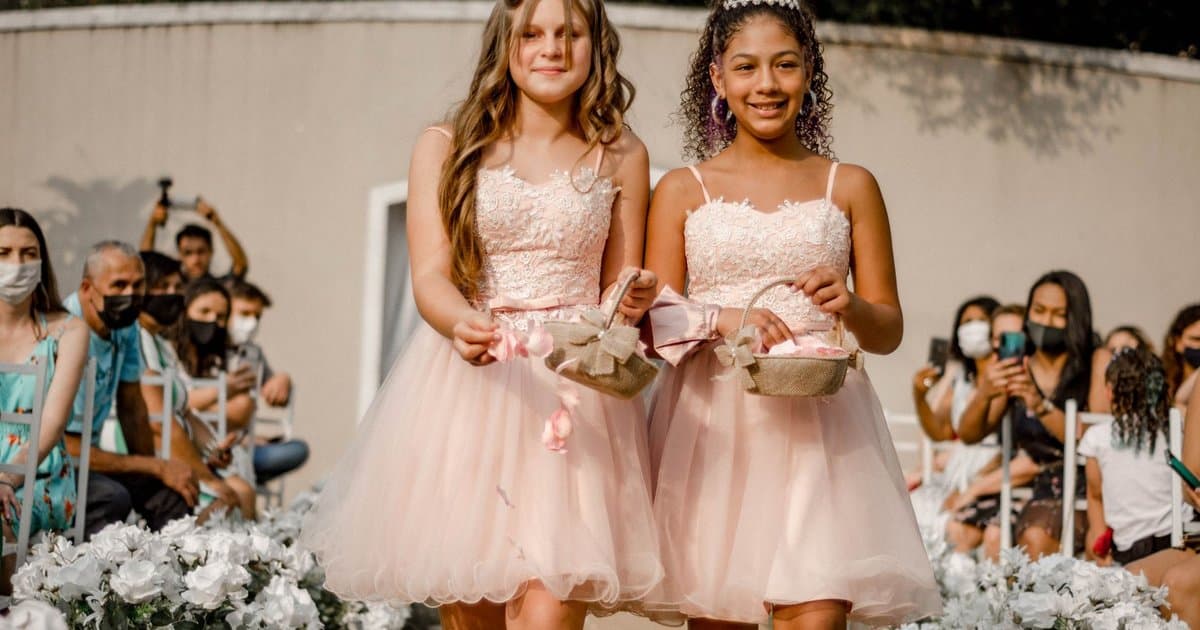
Tell your child that marriage is when two people love each other so much they promise to be a family together, and a wedding is the special celebration where they make those promises in front of everyone they care about. Use people they know as examples: "Auntie Sara and Uncle Jack are choosing to be a team forever." Children ages 5 to 7 grasp concrete actions far better than abstract ideas, so focus on what marriage looks like (living together, helping each other, being a team) rather than what it means philosophically.
Key Takeaways
- Explain marriage as a promise to be a team, not an abstract concept about love.
- Walk children through each part of the ceremony before the day arrives.
- Prepare them for sensory experiences: loud applause, formal clothes, and happy tears.
- Give children a role or a job so they feel included rather than sidelined.
- Follow up after the wedding by asking what they noticed and enjoyed.
Why Young Children Need Context About Explaining Marriage and Weddings
A wedding is often a child's first encounter with a formal ceremony. Without context, children see fancy clothes, serious faces, and adults crying, and they have no framework for making sense of it. According to The Gospel Coalition 1, children benefit from parents who use real-life moments, like attending a wedding, to introduce the concept of commitment in age-appropriate language.
Children between 5 and 7 are concrete thinkers. They understand promises, teams, and families. They do not yet understand sacrifice, compromise, or romantic love. That distinction matters because it shapes every word you choose when preparing them.
Anxious or overstimulated children at weddings usually feel better when they know what to expect. This is similar to how preparation helps with first day of preschool anxiety. Predictability reduces fear. When children know the order of events and why people are gathered, they can enjoy the celebration instead of feeling confused by it.
How to Explain Marriage in Words a 5-7-Year-Old Understands
Start with people your child already knows. "Remember how Mom and Dad are a team? Auntie Sara and Uncle Jack are becoming a team too. Marriage means they promise to stay together and help each other."
Avoid abstract language about "love" or "commitment." Instead, describe observable actions: living together, helping each other when things get hard, and choosing to be a family. As Rethinking Schools 2 documented in classroom conversations, young children naturally connect marriage to everyday behaviors like "cooking dinner together" and "being nice," not romantic ideals.
When follow-up questions come (and they will), keep answers brief. If your child asks, "Why do they need to promise?" try: "So everyone knows they mean it. Promises are how we show we're serious."
Don't overcorrect or over-explain. A five-year-old asking "What is marriage?" is satisfied by two sentences. Save the longer conversations for when they're older.
Breaking Down the Wedding Ceremony Step by Step
Walk through the ceremony in order so your child knows what to expect:
- Arrival and seating. "We'll find our seats and wait. It's like waiting for a show to start."
- The processional. "Everyone stands up when the bride walks in. It's a way of saying, 'We see you, and we're happy for you.'"
- The vows. "They'll say their promises out loud. That's the most important part."
- The ring exchange. "The rings are a sign of the promise. Every time they look at the ring, they remember what they said."
- The kiss and celebration. "When they kiss, it means they're excited. That's when everyone claps and cheers."
According to WeddingInvites 4, preparing children for each stage of the ceremony reduces restlessness and helps them sit through it calmly.
Sensory Preparation for Wedding Day
Weddings involve sensory experiences that can overwhelm young children: crowds of unfamiliar adults, loud music, formal clothing that feels stiff, and strong perfume. Describe what your child will see and hear before you arrive.
"The room will have flowers everywhere and rows of chairs. Everyone will be wearing special clothes. When the couple finishes their promises, people will clap really loudly and some might cry. Those are happy tears."
If your child will wear formal clothing, practice wearing it at home for 20 minutes a few days before. Stiff shoes and collared shirts feel foreign to a child who lives in sneakers and t-shirts. Letting them acclimate reduces one source of discomfort.
Bring a small comfort bag: quiet crayons, a mini activity book, and a snack for after the ceremony. This isn't bribery. It's practical planning for a child's limited attention span.
Keeping Children Engaged During the Ceremony and Reception
Children stay focused when they have a purpose. If your child has a role in the ceremony (flower bearer, ring bearer), practice at home several times. According to Young Hip and Married 3, giving children a specific job, even a small one like "watching for the kiss," helps them feel like participants rather than spectators.
If they don't have a formal role, create one: "Your job is to count how many times people smile during the promises." This simple task keeps their attention directed.
At the reception, preview the schedule: "First we eat, then the couple dances, then there's cake." Children handle transitions better when they know what comes next. Let them dance, explore the table centerpieces, and enjoy the celebration on their own terms.
Using Stories to Build Comfort and Understanding
Reading about weddings before attending one gives children a mental rehearsal. Stories let children process unfamiliar scenarios at their own pace, ask questions in a calm setting, and build excitement instead of anxiety.
Some parents find that reading a personalized story about a wedding helps because children see themselves in the narrative. A story where your child is the flower girl or ring bearer at Auntie and Uncle's wedding celebration can make the real experience feel familiar rather than foreign.
Picture books about family celebrations also work well. The key is reading together and pausing for questions. "What do you think happens next?" and "How do you think she feels?" build emotional vocabulary that children carry into the real event. This same approach of using stories to prepare children works well for other milestones, like teaching children about premature birth or how to celebrate Mother's Day with young children.
Handling Common Questions and Worries
Children ask surprisingly direct questions. Here are the most common ones and simple, honest answers:
"Why does the bride wear a white dress?"
"It's a tradition, a special way to celebrate. Not all brides wear white, though."
"Will Auntie Sara still visit us?"
"Yes. She's still your auntie. Marriage means she and Uncle Jack are a team now, but nothing changes about your relationship with her."
"Why are people crying?"
"Sometimes happy feelings are so big they come out as tears. It's a good thing."
"What happens after the wedding?"
"They go home together as a family. But first there's usually cake and dancing."
If your child asks whether all marriages last forever, keep it simple: "Most people who get married work hard to keep their promises. Sometimes things change, and that's okay."
When a Child Might Need Extra Support
Some shyness and overstimulation at a wedding is expected. A child who hides behind your legs, asks to sit in your lap, or covers their ears during loud applause is having a normal reaction to an unfamiliar setting.
Watch for signs that go beyond typical discomfort: persistent anxiety that doesn't ease with explanation, regression to younger behaviors (thumb-sucking, baby talk when they'd outgrown it), or refusal to enter the venue at all. These signals suggest your child needs more preparation time, a quieter space to retreat to at the venue, or permission to skip part of the event.
Bring a familiar comfort item. Sit near the exit. And reassure your child that staying close to you is always allowed.
After the Wedding: Processing the Experience Together
Don't assume your child took away the same meaning you did. Their highlight might be "the chocolate fountain" or "the loud drums." Both responses are valid.
Ask open-ended questions in the days after: "What do you remember most?" "Was anything surprising?" "Did anything make you feel nervous or happy?"
Looking through photos together lets children narrate what they saw, reinforcing their understanding. If they had a role, celebrate it: "Uncle Jack told me he was so glad you carried the rings."
These conversations help children integrate a complex social event into their developing understanding of family, promises, and celebration.
Get practical parenting tips delivered weekly
Evidence-based guidance for the moments that matter. No spam, unsubscribe anytime.
Frequently Asked Questions
Keep reading
How to Create a Dog Memorial Book (With Printable Templates)
Create a dog memorial book with photos, stories, and mementos. Learn 5 organizational tips and design ideas for honoring your pet's memory.
8 min read
How to Write a Wedding Speech for Your Aunt and Uncle (With Examples)
Write a heartfelt 3-5 minute wedding speech for your aunt and uncle. Follow this proven structure with character-focused stories and authentic delivery tips.
7 min read
Cat Memorial Book Ideas: Creating a Lasting Tribute
Create a cat memorial book with photos, memories, and keepsakes. Learn 6 meaningful ways to honor your pet and process grief with this personalized tribute.
7 min read
Get weekly parenting tips backed by research
Evidence-based guidance for the moments that matter. No spam, unsubscribe anytime.