Fire Drill Preparation Activities: Calming Anxious Children in the Classroom
Learn proven strategies to calm fire drill anxiety in young children through gradual exposure, visual supports, and role-play practice before the event.
Erika Wong
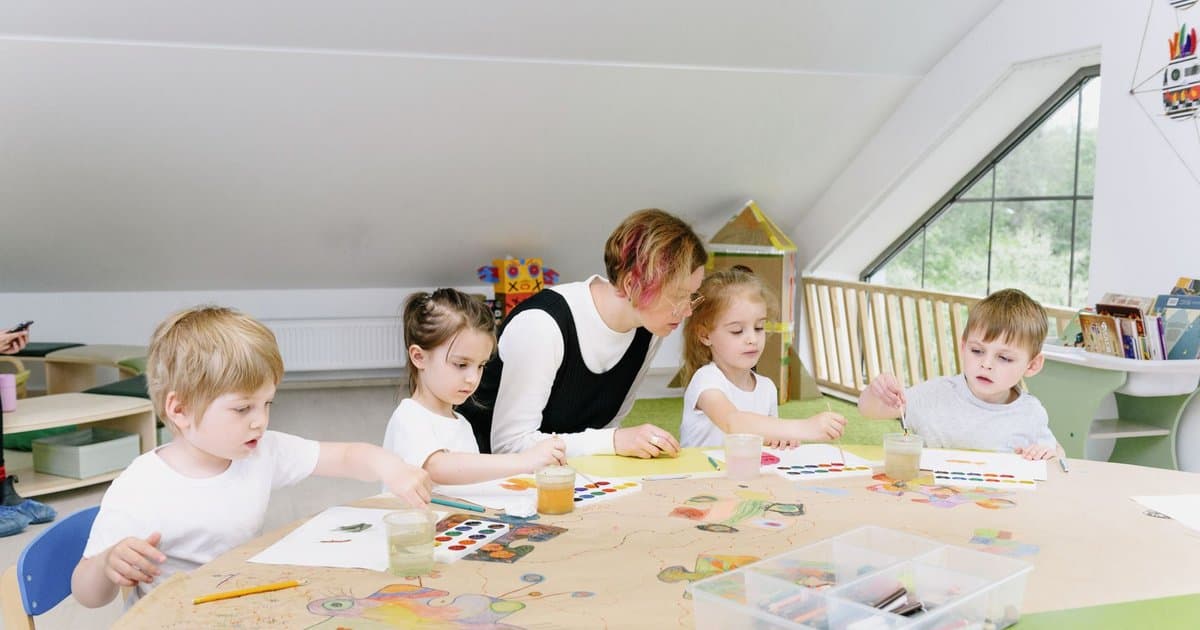
Teachers can significantly reduce fire drill anxiety by introducing fire drill preparation activities in the classroom weeks before the actual event. The most effective approach combines story-based introductions, gradual sound exposure, physical walkthroughs, and role-play so children understand exactly what will happen and why. When children know the sequence, hear the alarm at low volume first, and practice the steps in a calm environment, their fear responses drop dramatically.
Key Takeaways
- Gradual exposure to fire alarm sounds reduces startle-based anxiety in young children.
- Practicing the drill sequence in small steps builds confidence before the real event.
- Visual checklists and assigned classroom jobs give children a sense of control.
- Silent walkthroughs let anxious children learn the routine without sensory overload.
- Debriefing after each drill reinforces safety and corrects misunderstandings.
Understanding Fire Drill Anxiety in Young Children
Fire drills activate the fight-or-flight response in young children because they combine three powerful triggers: an unfamiliar loud sound, a sudden break in routine, and the visible urgency of adults around them. According to the National Child Traumatic Stress Network 1, young children are especially sensitive to environmental disruptions they cannot predict or control.
Children ages 3 to 7 are still developing the cognitive ability to distinguish between a practice drill and a real emergency. When adults say "fire," many children imagine actual flames and danger, even when none exist. This is developmentally normal. Research from ZERO TO THREE 2 emphasizes that children process stressful events more effectively when caregivers provide clear explanations and repeated, calm exposures before the experience occurs.
The goal of fire drill preparation activities in the classroom is not to eliminate all nervousness. Some mild anxiety is healthy and keeps children alert. The goal is to replace panic and confusion with understanding and confidence.
Start With Story-Based Introduction
Stories are one of the most powerful tools for helping young children understand unfamiliar experiences. Before introducing any physical practice, spend a few days reading picture books or telling short narratives about characters who participate in fire drills. Books like Fire Drill by Paul DuBois Jacobs and Jennifer Swender show children feeling nervous at first but proud afterward.
Focus your storytelling on the positive outcome. Everyone practices, everyone stays safe, and everyone goes back to class. Avoid language about emergencies, danger, or "what could happen." Instead, frame the drill as practice, just like practicing a song for a performance or rehearsing for a class play.
A personalized fire drill story that features the child's own name and classroom can be especially helpful, because children see themselves navigating each step successfully. This mirrors the same principle teachers use when preparing children for first-day-of-preschool-anxiety: familiarity reduces fear.
Practice the Physical Sequence in Small Steps
Rather than simulating the entire drill at once, break it into individual components spread over several days. On day one, practice walking in a quiet line. On day two, practice moving from the classroom to the nearest exit. On day three, practice standing in the designated outdoor spot and waiting calmly.
Each mini-practice should feel slow and controlled. According to the National Association for the Education of Young Children (NAEYC) 3, young children learn complex routines best through scaffolded repetition, where each new element builds on a previously mastered step. Rushing through the full sequence before children are comfortable with individual parts often increases anxiety rather than reducing it.
Use specific praise after each step. Instead of "good job," try "I noticed you walked quietly all the way to the door without running." For highly anxious children, consider letting them practice in a smaller group of two or three before joining the whole class.
Sensory Preparation for the Alarm Sound
The alarm is often the single most frightening part of a fire drill for young children. Many classrooms skip this preparation entirely, which means the first time children hear the alarm at full volume, they have no frame of reference. A small amount of advance exposure makes an enormous difference.
During circle time, play a recording of your school's fire alarm at very low volume. Explain what the sound means: "That sound tells us it's time to practice being safe." Let children react, ask questions, and even cover their ears. Covering ears is a healthy coping response, not a sign of failure.
Over several sessions, gradually increase the volume. Research on systematic desensitization, originally described by Wolpe (1958) 4], shows that repeated exposure to a feared stimulus at increasing intensity, paired with a calm environment, reduces the fear response over time. Most children acclimate within three to five exposures. This approach works especially well alongside sensory preparation strategies used for [doctor-checkup-activities-for-kids, where unfamiliar sounds and environments also trigger anxiety.
Create a Visual Checklist for Fire Drill Steps
Visual supports are essential for children who struggle with verbal instructions during high-stress moments. Create a simple classroom poster showing each step of the fire drill in order, using pictures alongside short phrases:
- Hear the alarm
- Stop what you're doing
- Line up at the door
- Walk to the exit
- Stand in our spot outside
- Wait for the all-clear signal
Review this checklist daily during the week before the first drill. Let children point to each step and describe what they'll do. Post it permanently near the classroom door so children can glance at it anytime they feel uncertain.
Visual schedules give children a sense of predictability, which is one of the strongest buffers against anxiety. According to ZERO TO THREE 2, children who understand "what comes next" in a stressful sequence show fewer behavioral disruptions and recover more quickly from the experience.
Conduct a Silent or Whisper Walkthrough
Before the real drill, run a "silent fire drill" where the alarm doesn't sound but children walk through every physical step. This separates the auditory trigger from the physical routine, letting anxious children focus on one challenge at a time.
During the walkthrough, narrate each step in a calm voice: "Now we're walking to the door. Now we're stepping outside. See? We're standing right here together." Use this opportunity to identify logistical problems, like a bottleneck at the hallway door or confusion about which exit to use.
Praise calm behavior generously. Children who complete the silent walkthrough successfully often feel noticeably more confident when the alarm is added later. One common pattern teachers report is that the children who were most nervous during story-based introductions become the most enthusiastic participants during the silent walkthrough, because they finally see that the sequence is simple and manageable.
Use Role-Play and Classroom Jobs
Assigning fire drill jobs gives anxious children something concrete to focus on instead of their fear. Common roles include line leader, door holder, counter (checking that everyone is present), and encourager (reminding classmates to walk calmly).
Rotate these roles across multiple practice sessions so every child gets a turn. Children who feel useful during a stressful event are less likely to fixate on what scares them. The line leader role works particularly well for reluctant children because it positions them at the front, where they can see exactly where they're going.
Role-play also lets you practice unexpected scenarios. What if someone is in the bathroom? What if we're at lunch instead of in our classroom? Walking through these variations, even briefly, reduces the surprise factor that often triggers the worst anxiety responses. According to the American Academy of Pediatrics 5, rehearsal-based preparation is one of the most effective strategies for helping children cope with predictable stressors.
Address Individual Anxiety With a Safe Person Strategy
Some children need more than group preparation. For these children, assign a trusted adult, such as a teacher aide, school counselor, or classroom volunteer, to stay near them during drills. This person's role is to remain calm and matter-of-fact, not to hover or overly comfort. Their steady presence helps regulate the child's nervous system through a process called co-regulation.
Once a child completes one drill successfully with support, gradually reduce the adult's proximity in future drills. A peer buddy system can also work well. Pair the anxious child with a calm, confident classmate who can offer quiet reassurance during the walk outside.
For children with trauma histories, sensory processing differences, or diagnosed anxiety disorders, collaborate with families and school support staff to create an individualized plan. These children may need noise-canceling headphones, an earlier heads-up before the alarm, or a modified route that avoids crowded hallways.
When to Expect Anxiety and When to Seek Additional Support
Mild nervousness before a fire drill is developmentally appropriate, especially for children ages 3 to 5. Most children who show initial reluctance recover quickly after completing one or two successful drills. This pattern of "nervous before, proud after" is exactly what preparation activities are designed to create.
Watch for signs that go beyond typical nervousness. A child who freezes completely, has a prolonged meltdown, or shows ongoing distress hours or days after the drill may be reacting to something deeper. Strong responses to loud, unexpected sounds can sometimes indicate sensory sensitivity, and persistent fear of emergencies or separation may point to an anxiety disorder or prior trauma.
If concerns arise, talk with the child's family first. Share your observations without diagnosing, and suggest a conversation with the child's pediatrician or the school psychologist. Keep notes on specific behaviors and triggers so you can provide useful information to any specialist involved.
Debrief and Celebrate After the Drill
The minutes after a fire drill matter almost as much as the preparation before it. Gather your class and ask open-ended questions: "What did you notice?" or "What did our class do really well?" Avoid asking "Were you scared?" because it plants the idea that fear is the expected response.
Celebrate specific behaviors you observed. "I noticed that everyone remembered to stop talking when they heard the alarm" is more meaningful than a generic "great job." If anything went wrong, address it calmly and frame it as something to practice next time, not as a failure.
This debriefing period also gives you a chance to correct misinformation. Children sometimes share dramatic stories about fires or emergencies they've heard about. Gently redirect the conversation toward the drill itself and its purpose: to practice staying safe together.
Communicate With Families About Your Preparation Plan
Send families a brief note explaining what fire drill preparation activities you're doing in the classroom and when the first real drill is expected. Encourage parents to talk about fire drills in positive terms at home and to stay calm if their child expresses worry. Parental anxiety is contagious, and children who sense that their parents are nervous often struggle more.
Provide parents with a few conversation starters: "Your class is going to practice walking outside together so everyone knows what to do. That's pretty cool, right?" Suggest simple home activities like drawing a picture of the drill steps or playing "fire drill" with stuffed animals.
This kind of home-school communication mirrors the strategies described in effective preschool-communication-parents plans and helps ensure that children receive consistent, reassuring messages from every adult in their lives.
Get practical parenting tips delivered weekly
Evidence-based guidance for the moments that matter. No spam, unsubscribe anytime.
Frequently Asked Questions
Keep reading

Halloween Classroom Decorations: 25 Ideas Teachers Actually Use
25 Halloween classroom decorations using paper, tape, and supplies you have. Paper cutouts, balloons, and student crafts create 90% of effective decor.
7 min read

Teaching Gratitude to Children: A Practical Guide for Parents and Teachers
Teach authentic gratitude to kids with specific strategies. Research shows gratitude improves academic adjustment by 23%. Skip the worksheets.
10 min read

Eid in the Classroom: Activities Elementary Teachers Can Lead Today
Celebrate Eid in your classroom with 5+ simple activities. Partner with families, use crafts and read-alouds, and create an inclusive space for all students.
7 min read
Get weekly parenting tips backed by research
Evidence-based guidance for the moments that matter. No spam, unsubscribe anytime.