Gratitude Activities for Emotional Wellness: A Parent's Toolkit
Discover evidence-based gratitude activities that reduce stress and build emotional resilience in children. Daily 2-5 minute practices boost well-being.

Matt Li
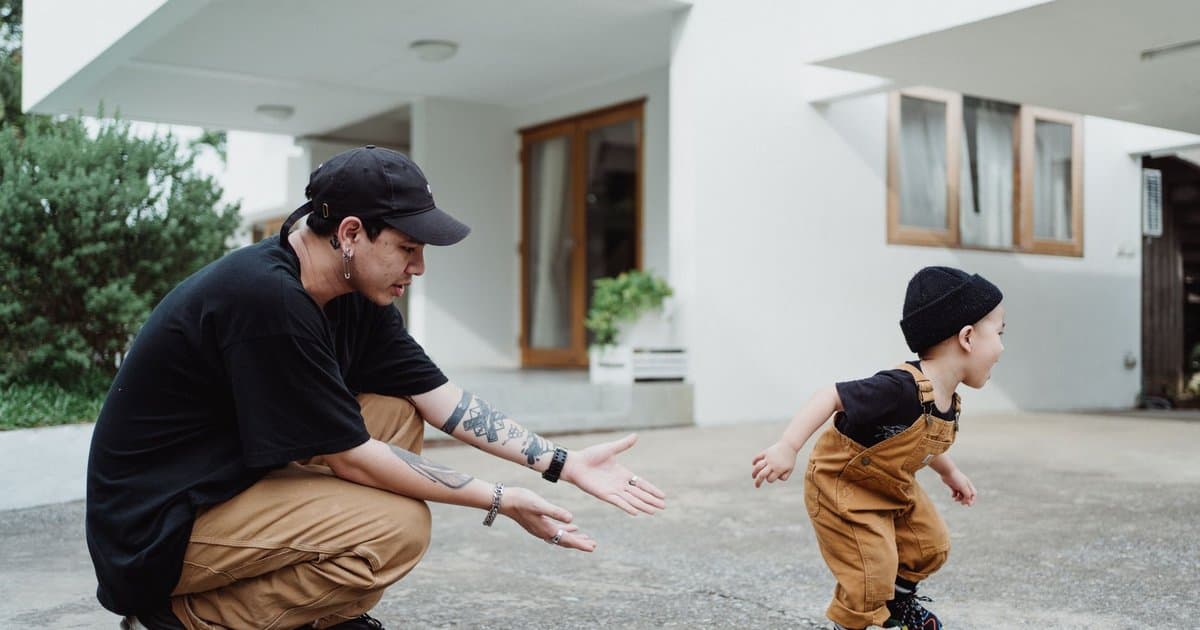
Gratitude Activities for Emotional Wellness: A Parent's Toolkit
Gratitude activities for emotional wellness work because they train children's brains to notice what's going well, not just what's wrong. Regular practice reduces stress hormones, strengthens emotional vocabulary, and helps kids recover faster from disappointment. Even two minutes a day of specific, age-appropriate gratitude can shift how a child processes difficult moments.
Key Takeaways
- Gratitude activates the brain's reward pathways and lowers stress responses.
- Daily micro-practices outperform occasional longer sessions for building resilience.
- Forced gratitude backfires; let children lead the pace.
- Storytelling makes gratitude concrete and memorable for young children.
- Gratitude complements professional support but does not replace it.
Why Gratitude Matters for Children's Emotional Health
Gratitude is more than good manners. It physically changes how the brain responds to stress and reward. According to Fox et al. (2015) 5, gratitude practice activates regions of the brain associated with moral cognition, reward, and interpersonal bonding. This means children who regularly notice what they appreciate are literally building neural pathways for emotional regulation.
Henning et al. (2017) 4] found that [gratitude may engage the brain's mu-opioid system, the same system involved in social bonding and stress relief. For children, this translates into calmer responses to frustration, stronger friendships, and a growing ability to sit with discomfort without spiraling.
Kids who practice gratitude don't become blindly optimistic. They develop the skill of holding two things at once: "This is hard" and "Something small was good today." That balance is genuine resilience.
Simple Daily Gratitude Practices for Families
The best gratitude activities for emotional wellness are brief, specific, and repeatable. Complexity kills consistency. Here are three practices that work across ages 3 to 10.
Dinner table gratitude round. Each person names one specific thing from their day. Push past generic answers like "my family." Prompt with "What's something that made your body feel relaxed today?" or "Who did something kind for you?"
Gratitude jar. Keep a jar and small cards in a visible spot. Family members write or draw one observation daily. Read the cards together each Sunday. This builds anticipation and gives kids a tangible record of good moments.
Thankfulness breathing. At bedtime, breathe in while silently naming something you're grateful for, then breathe out tension. This pairs gratitude with a calming physiological response. According to Blewitt et al. (2018) 2, embedding social-emotional practices into daily routines significantly improves outcomes in early childhood.
Gratitude Activities for Classroom and School Settings
Teachers can weave gratitude into existing routines without adding prep time. Morning circle offers a natural opening. Ask each student to share one specific appreciation before the day begins. For classroom gratitude activities, sticky-note gratitude boards work well: students post anonymous notes about classmates or school moments they value.
Age matters for format:
Age Range | Best Format | Example Activity |
|---|---|---|
3–5 | Visual/concrete | Point to pictures of things you're thankful for |
6–8 | Guided journals | Draw and write one gratitude observation with prompts |
9–10 | Peer appreciation | Name a specific strength you noticed in a classmate |
Bierman (2023) 1 highlights that programs integrating social-emotional learning into family and school contexts produce stronger outcomes than either setting alone. When gratitude happens at home and at school, children internalize it faster.
Using Storytelling to Deepen Gratitude Understanding
Stories make abstract concepts concrete. When a child hears a character notice something good during a hard day, gratitude stops being a rule and becomes a skill they can picture using themselves.
Picture books about thankfulness open conversations naturally. After reading, ask: "What would you have noticed in that moment?" This builds the habit of spotting positives without lecturing. Pairing storytelling activities with gratitude practice doubles the engagement for children under seven.
Personalized stories take this further. When a child sees themselves as the protagonist navigating a grateful moment, the lesson sticks. A story like What I'm Thankful For puts your child's name and details into a thankfulness narrative, making the concept feel personal rather than abstract. Some parents find that reading a personalized story about gratitude helps because children see themselves successfully noticing good things, even on tough days.
Gratitude During Difficult Times: Building Real Resilience
Gratitude practice is not about suppressing pain. If your child is sad, angry, or scared, the first step is always validation. "That sounds really frustrating" comes before any mention of thankfulness.
Once the emotion is acknowledged, try a gentle nudge: "Is there one tiny thing from today that felt okay?" This isn't denial. It's teaching the brain to scan for resources alongside problems. Model this yourself with statements like "I'm stressed about work, and I'm also glad we had that walk together." Children learn emotional honesty by watching you hold complexity.
Tolcher et al. (2024) 3] found that [gratitude interventions improved well-being when participants engaged voluntarily and consistently over time. Forced positivity, by contrast, tends to increase frustration. Let your child set the pace.
When Gratitude Feels Forced or Dismissive
If your child rolls their eyes, says "this is dumb," or goes silent during gratitude activities, pause. Resistance is information. It often means the activity feels performative, the timing is wrong, or the child is processing something that needs space first.
Never shame a child for not being grateful. Statements like "You should be thankful for what you have" shut down emotional processing and create guilt rather than genuine appreciation. Instead, try lower-pressure formats: a private journal, a quick thumbs-up/thumbs-down check-in, or simply noticing aloud what you appreciate without requiring a response.
Over weeks, voluntary exposure usually softens resistance. Children who feel emotionally safe are far more likely to engage. Building that safety is the real work behind building emotional confidence.
Measuring Progress in Emotional Wellness
Don't look for perfect gratitude sentences. Look for behavioral shifts. Does your child notice something positive without prompting? Do they recover from disappointment a little faster? Are they using more varied emotional language?
Gratitude practice compounds slowly, often over four to six weeks. Track small changes: conversation tone at dinner, how they describe their school day, whether they spontaneously compliment a sibling or friend. According to Blewitt et al. (2018) 2, social-emotional learning gains in early childhood are measurable through observable behavioral improvements, not just self-reports.
If progress stalls, simplify. Go back to one practice, reduce the frequency, or switch formats entirely. Growth in self-awareness often appears before a child can articulate gratitude directly.
Frequently Asked Questions
How young can children start gratitude practice?
Children as young as two or three can begin with adult-guided awareness, like pointing to things they enjoy. Structured practices such as journals or conversation prompts work best starting around age four.
What if my child says gratitude feels fake or silly?
Validate the feeling and switch to lower-pressure formats like a private journal or gratitude jar. When participation is voluntary and genuine, resistance usually fades over a few weeks.
Can gratitude practice help with anxiety or depression?
Gratitude is a helpful complementary tool, not a replacement for professional support. A child showing persistent anxiety, withdrawal, or mood changes needs evaluation from a pediatrician or therapist.
How often should we do gratitude activities?
Daily practice of two to five minutes is more effective than occasional longer sessions. Brief, consistent moments build the neural pathways that support emotional resilience over time.
Does gratitude work for neurodivergent children?
Yes, with adaptations. Many autistic or ADHD children prefer written or visual gratitude formats over verbal sharing, and concrete observations over abstract prompts. Honor their communication style.
Sources
- Bierman KL (2023). Preschool Programs that Help Families Promote Child Social-Emotional School Readiness: Promising New Strategies. Clin Child Fam Psychol Rev. https://pubmed.ncbi.nlm.nih.gov/37453988/
- Blewitt C (2018). Social and Emotional Learning Associated With Universal Curriculum-Based Interventions in Early Childhood Education and Care Centers: A Systematic Review and Meta-analysis. JAMA Netw Open. https://pubmed.ncbi.nlm.nih.gov/30646283/
- Tolcher K (2024). Evaluating the effects of gratitude interventions on college student well-being. J Am Coll Health. https://pubmed.ncbi.nlm.nih.gov/35623017/
- Henning M (2017). A Potential Role for mu-Opioids in Mediating the Positive Effects of Gratitude. Front Psychol. https://pubmed.ncbi.nlm.nih.gov/28680408/
- Fox GR (2015). Neural correlates of gratitude. Front Psychol. https://pubmed.ncbi.nlm.nih.gov/26483740/
Get practical parenting tips delivered weekly
Evidence-based guidance for the moments that matter. No spam, unsubscribe anytime.
Frequently Asked Questions
Keep reading
How to Create a Dog Memorial Book (With Printable Templates)
Create a dog memorial book with photos, stories, and mementos. Learn 5 organizational tips and design ideas for honoring your pet's memory.
8 min read

How to Write a Wedding Speech for Your Aunt and Uncle (With Examples)
Write a heartfelt 3-5 minute wedding speech for your aunt and uncle. Follow this proven structure with character-focused stories and authentic delivery tips.
7 min read

Cat Memorial Book Ideas: Creating a Lasting Tribute
Create a cat memorial book with photos, memories, and keepsakes. Learn 6 meaningful ways to honor your pet and process grief with this personalized tribute.
7 min read
Get weekly parenting tips backed by research
Evidence-based guidance for the moments that matter. No spam, unsubscribe anytime.