Ocean Adventure Story Ideas: Inspire Imaginative Sea Tales
Explore 10 ocean adventure story prompts for kids that teach problem-solving and empathy. Quest-based structures work for ages 4-10 and build strong writing

Matt Li
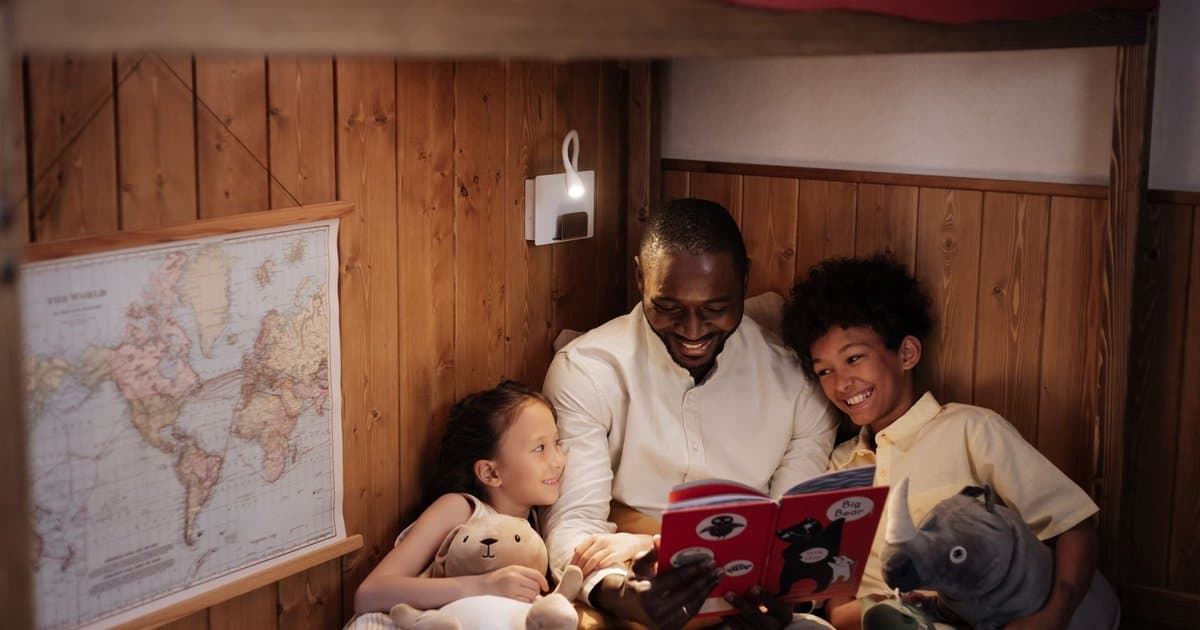
The best ocean adventure story ideas give children a character, a clear problem, and an underwater world to explore. Whether it's a treasure hunt through coral reefs, a friendship with a misunderstood whale, or a race against a rising tide, these prompts build narrative skills while sparking genuine wonder about the sea. Below you'll find ten tested story frameworks that work for ages 4 through 10.
Key Takeaways
- Ocean stories naturally teach cause-and-effect, problem-solving, and empathy.
- Quest-based structures (maps, rescues, races) give young writers a clear narrative arc.
- Mixing real ocean facts with one fantastical element makes stories feel believable.
- These prompts work for bedtime storytelling, classroom writing, and imaginative play.
- Matching story complexity to a child's age keeps them engaged without overwhelming them.
Good Adventure Story Ideas Start With a Clear Problem
Strong adventure stories pair a relatable character with a problem worth solving. According to Reedsy's adventure writing prompts collection 2, the most compelling adventures begin with a catalyst that forces a character into action, whether that's a discovery, a threat, or a mystery. Ocean settings amplify this naturally because the underwater world is unfamiliar, visually rich, and full of real dangers. Children don't need to know marine biology to feel the tension of a storm or the wonder of a bioluminescent cave. Give them a character who wants something, put an ocean between them and their goal, and the story practically writes itself.
The Treasure Map Mystery
A child discovers a crumpled map inside a glass bottle washed ashore. The map leads to underwater treasure, but the route passes through kelp forests, past a grumpy octopus, and around a volcanic vent. This quest structure creates natural pacing because each obstacle becomes its own mini-scene.
Kids can invent riddles the character must solve at each stop. They can decide whether the treasure is gold, a rare pearl, or something unexpected like an ancient message. According to Gareth Mate's creative writing prompt guide 1], sea-themed treasure hunts are among the most popular prompts for young writers because the quest format gives them a beginning, middle, and end without much scaffolding. This idea also pairs well with [creative writing activities that ask children to draw the map before they write the story.
The Lost Underwater City
An explorer stumbles upon ruins beneath the waves, covered in barnacles and glowing with strange light. Who built this place? Why did they leave? This prompt blends mystery with worldbuilding. Children get to invent architecture, customs, and history for a civilization that no longer exists.
For kids ages 6 and up, this story idea introduces cause-and-effect thinking. Maybe a rising sea level swallowed the city. Maybe the inhabitants chose to leave. As noted by Pobble's ocean writing prompt series 4, underwater city prompts encourage children to think beyond the immediate story and consider backstory, which is a more advanced narrative skill. Younger children (ages 4 to 5) can focus on what the explorer finds in one room of the city, keeping the scope manageable.
Befriending an Unusual Sea Creature
A child meets a giant squid everyone else fears, a shy whale who hides behind a reef, or a lonely sea turtle searching for its family. The child realizes the creature isn't scary at all. This emotionally resonant idea teaches empathy while allowing for sensory-rich descriptions of tentacles, whale song, and coral textures.
Children who are anxious about ocean creatures often find these stories reassuring. Framing a shark or jellyfish as misunderstood rather than villainous shifts the narrative from fear to curiosity. You can weave in real ocean biology here: how sea turtles navigate by magnetic fields, or how octopuses change color. The factual details make the friendship feel grounded. Stories like these also support building confidence through storytelling, because children see a character overcoming fear and making a friend.
The Storm at Sea Adventure
A boat gets caught in a sudden squall. Waves crash over the bow. The characters must work together to survive, making fast decisions about which sails to lower, where to steer, and how to stay calm. This high-stakes scenario generates natural conflict without needing a villain.
Storm stories teach children that bravery isn't the absence of fear. Characters can be terrified and still act. According to Final Draft's adventure story prompt collection 3, survival-based prompts consistently rank among the most engaging for young writers because the stakes are immediately clear. For bedtime storytelling, you can soften the ending: the storm passes, the stars come out, and the characters realize they're stronger than they knew.
The Sea Creature Guide Adventure
A magical dolphin, a wise old crab, or an eccentric marine biologist takes a child on a tour of the ocean's hidden wonders. They visit hydrothermal vents, swim through schools of neon fish, and peek inside a whale's mouth. This framework is perfect for weaving real ocean facts into an adventure without it feeling like a lesson.
The guide-and-student dynamic also creates a natural mentor relationship. The child character asks questions; the guide answers with stories of their own. This episodic structure works well for serialized bedtime stories. Tell one "stop" on the tour each night. If your child loves this kind of immersive ocean storytelling, an under-the-sea personalized adventure can put them directly into the narrative as the main character.
The Sunken Ship Discovery
Characters find an ancient shipwreck resting on the ocean floor, its hull split open and cargo scattered across the sand. Was it a merchant vessel? A pirate ship? A ghost ship with an unexplained story? This prompt combines detective work with adventure as kids piece together clues about what happened.
Children can examine barnacle-covered chests, faded logbooks, and broken navigation tools. Each artifact becomes a storytelling opportunity. For ages 8 to 10, the sunken ship can introduce moral complexity. Maybe the ship carried something that was stolen. Maybe the crew survived and their descendants live nearby. This layered approach to ocean adventure story ideas builds critical thinking alongside creative writing skills.
The Magical Ocean Portal
A character swims through a coral archway or slips beneath a waterfall and enters a realm where different rules apply. Gravity works sideways. Fish speak. Time moves slowly. Portal stories legitimize fantastical elements because the "other world" has its own internal logic.
Children love threshold moments, the instant when everything changes. The portal structure also guarantees a return journey, which gives the story a satisfying shape. The character goes in one person and comes out changed, braver, or wiser. This transformation arc is one of the oldest story structures in literature, and it works beautifully in an ocean setting because the underwater world already feels like another dimension.
The Rescue Mission at Sea
A character must save a trapped dolphin tangled in netting, a stranded boat crew, or a mythical sea creature wounded by a harpoon. Rescue narratives are inherently motivating because the goal is clear, the clock is ticking, and compassion drives the action.
This prompt works especially well for collaborative storytelling. Two children can play different rescuers with different skills. One might be the swimmer; the other, the problem-solver who figures out how to cut the net. Rescue stories also open conversations about real ocean conservation, connecting fiction to the child's actual world.
The Ocean's Hidden Rooms
A character discovers secret caves behind waterfalls, air pockets inside underwater cliffs, or grottos lit by glowing plankton. These hidden spaces tap into every child's love of secret hideouts and clubhouses, translated into an ocean setting.
Each room can hold a different surprise: a colony of seahorses, a pool of warm water, a wall covered in ancient drawings. The gradual discovery creates page-turning momentum. For personalized story books, hidden rooms work well because children can imagine themselves finding each secret space.
The Race Against the Current
Characters must outpace a rip current, outswim a pursuing creature, or reach safety before the tide rises and seals off their exit. Time-pressure narratives are gripping for kids because the tension is physical and immediate.
This prompt teaches pacing in writing. Short sentences during the chase. Longer, relieved sentences when the character reaches safety. Children as young as five can feel the difference in rhythm, even if they can't name it yet. According to Gareth Mate 1, action-driven sea prompts help reluctant writers engage because the urgency eliminates the "I don't know what to write" barrier.
Get practical parenting tips delivered weekly
Evidence-based guidance for the moments that matter. No spam, unsubscribe anytime.
Frequently Asked Questions
Keep reading

How to Create a Dog Memorial Book (With Printable Templates)
Create a dog memorial book with photos, stories, and mementos. Learn 5 organizational tips and design ideas for honoring your pet's memory.
8 min read

How to Write a Wedding Speech for Your Aunt and Uncle (With Examples)
Write a heartfelt 3-5 minute wedding speech for your aunt and uncle. Follow this proven structure with character-focused stories and authentic delivery tips.
7 min read

Cat Memorial Book Ideas: Creating a Lasting Tribute
Create a cat memorial book with photos, memories, and keepsakes. Learn 6 meaningful ways to honor your pet and process grief with this personalized tribute.
7 min read
Get weekly parenting tips backed by research
Evidence-based guidance for the moments that matter. No spam, unsubscribe anytime.