Photo Personalization in Children's Books: What Actually Engages Kids
Discover what actually engages kids in personalized photo books. Learn when photo personalization works, age-appropriate strategies, and whether it impacts rereading.

Matt Li
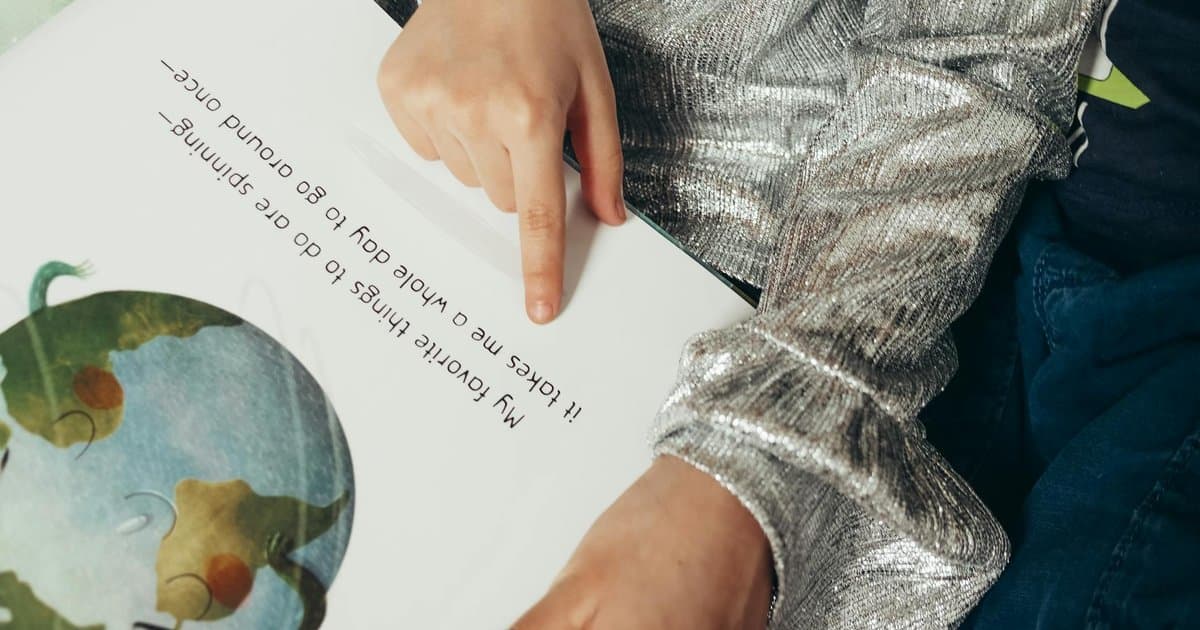
Personalized children's books with photos can genuinely deepen a child's connection to a story, but the photo itself isn't what keeps kids coming back. Engagement depends far more on narrative quality, age-appropriate language, and whether the story addresses something real in the child's life. Many parents report that the novelty of seeing their child's face on the page fades after two or three reads unless the storyline itself is compelling enough to stand on its own.
Key Takeaways
- Children under 18 months rarely recognize themselves in photos consistently.
- Story quality and relevance matter more than personalization for repeat reads.
- Photo-personalized books work best when tied to a specific milestone or transition.
- Illustration-based personalization tends to have a longer shelf life than photo-based.
- Letting children choose their own photo boosts engagement, especially ages 3 to 5.
Why Photo Personalization Matters (And When It Doesn't)
Seeing yourself in a story is powerful at any age. For young children, personalized children's books with photos tap into a developing sense of identity, which is exactly why the timing matters so much. According to ZERO TO THREE, self-recognition in mirrors and photos emerges around 18 months 1. Before that age, a baby looking at their own photo in a book may not connect the image to themselves.
When photo personalization does click, it can create a sense of ownership over the story. Some parents notice their toddler pointing excitedly at their own face and asking to read the book again. But this initial excitement isn't the same as sustained engagement. A study by Kucirkova, Messer, and Whitelock (2013) found that personalization increased children's engagement with stories, though the effect was strongest when combined with meaningful narrative content 2.
Photo books work best for milestone moments: a new sibling arriving, the first day of school, or a birthday celebration like a personalized birthday adventure. They fall flat as generic gifts where the photo is dropped into a story with no real connection to the child's life.
Photo-Based vs. Illustration-Only Personalization: Key Differences
Photo personalization inserts a child's actual image into real-world or illustrated scenes. Illustration-only personalization keeps hand-drawn art throughout while weaving in the child's name, appearance details, or specific interests. The difference matters more than most marketing pages suggest.
Photo books feel immediate and "real." A two-year-old seeing their face on page one often squeals with delight. But that realism comes with drawbacks. Photos can look awkward when pasted into illustrated backgrounds. Lighting mismatches, resolution problems, and stiff posing all break immersion. The book also dates quickly as the child grows, since a photo from age two won't resonate the same way at age four.
Illustration-based personalization ages better. A hand-drawn character who shares the child's name and hair color stays relevant across years of rereading. For a deeper look at how these approaches compare, see Custom Storybooks: A Parent's Guide to Books Your Child Sees Themselves In. The creative flexibility of illustrated books also allows for richer, more imaginative narratives, which is ultimately what drives repeat reads.
What Research and Parents Say About Engagement
Formal research on photo personalization in children's books is still limited, but what exists points to a clear pattern: personalization boosts initial interest, while story quality determines whether the book stays in rotation.
Kucirkova (2016) reviewed multiple studies on personalized books and concluded that the strongest effects on engagement came when personalization was "meaningful," not cosmetic 3. Adding a child's name to a generic adventure story produced weaker results than crafting a narrative around something the child was actually experiencing. Parent forums and product reviews echo this finding. Many families describe their child being "obsessed" for a week, then never touching the book again.
One approach that works for some families is involving the child in the process. Letting a three- or four-year-old choose which photo goes in the book, or which storyline to pick, creates a sense of authorship. According to the National Association for the Education of Young Children (NAEYC), children engage more deeply with literacy experiences where they feel agency and ownership 4. That participatory element can extend a photo book's shelf life considerably.
Photo Personalization for Different Ages
Not every child responds to photo personalization the same way, and age is the biggest variable.
Under 18 months. Babies at this stage are still developing self-recognition. According to developmental psychologist Philippe Rochat (2003), most infants don't consistently identify themselves in photos or mirrors until around 18 to 24 months 5]. A photo-personalized book for a baby is really a gift for the parents. Name personalization or simple board books with high-contrast images will engage the child more. For guidance on choosing books for this age group, read [Why Personalized Books Matter for Newborns (& How to Choose the Right One).
18 months to 3 years. This is when photo personalization starts to land. Toddlers who recognize themselves will often point, smile, or say their own name. Keep the photo simple and central. Choose books with repetitive text, short sentences, and clear illustrations around the photo. Stories about familiar routines (bedtime, mealtime, playground visits) hold attention better than abstract adventures at this stage.
3 to 5 years. Preschoolers get the most from photo-personalized books. They understand that the character is "them," and they can follow more complex narratives. Books addressing real-life situations they're processing, like starting preschool or welcoming a new sibling, generate the strongest engagement. Let them pick the photo. Let them choose the story topic if the platform allows it. Their sense of ownership over the final product makes a measurable difference in how often they request it at bedtime.
When Photo Personalization Works Best (And When It Falls Flat)
Photo-personalized books shine in specific situations. They work brilliantly as preparation tools for transitions: a child facing their first dentist visit, moving to a new house, or adjusting to a new baby. The combination of seeing themselves in the story and reading about a situation they're actually living through creates genuine emotional resonance.
They also work well as keepsakes for milestone events. A birthday book or a "first day of school" story with the child's real photo becomes a memory object that families return to years later.
Where they fall flat is as generic gifts. A photo dropped into a cookie-cutter adventure story with no connection to the child's life feels gimmicky after the first read. Poor photo quality makes it worse. If the child's brightly lit snapshot clashes with a watercolor background, the result can feel jarring rather than magical.
Before ordering, apply the reread test: would your child want this book on repeat if their photo weren't in it? If the answer is no, the photo won't save it. A common pattern is that books with strong narratives get requested over and over, while books that rely solely on the novelty of personalization end up forgotten on the shelf within a month.
How to Choose Between Photo and Other Personalization Options
Your decision should come down to three factors: the child's age, the occasion, and whether the story addresses something happening in their life right now.
Choose photo personalization when:
- The child is between 2 and 5 years old.
- You're marking a specific milestone or helping them through a transition.
- You have a high-quality, well-lit photo that will blend with the book's art style.
- The platform offers a story that genuinely connects to the child's situation.
Choose name-only or illustration-based personalization when:
- The child is under 18 months.
- You want a book that stays relevant as the child grows.
- You're buying a gift and don't know the child's current concerns.
- You value creative storytelling and rereadability over initial wow factor.
Choose a high-quality non-personalized book when:
- The child already has a strong book collection and you want variety.
- The best available personalized options don't match the child's interests.
- Budget is a concern and you'd rather invest in two or three great picture books.
Some parents find that reading a personalized story about a specific situation helps because children see themselves navigating that situation successfully. But it's just one tool. A well-chosen library book about the same topic can be equally effective if the story resonates. For more on what research says about this, see Do Personalised Childrens Books With Photos Actually Matter to Kids? What Research Shows.
When to Talk to Your Pediatrician
Most questions about personalized children's books with photos fall squarely in the "parenting preference" category, not the medical one. However, if your child over age two shows no interest in any books, avoids looking at photos of themselves, or doesn't respond to their own name, it's worth mentioning at your next well-child visit.
Pediatric OTs often suggest that children who resist books entirely may benefit from books featuring themselves or familiar people as a bridge to broader reading interest. If your child seems to fixate only on their own image and refuses books without their photo, that's also worth noting. Neither pattern is necessarily a concern on its own, but your pediatrician can help you put it in context.
Get practical parenting tips delivered weekly
Evidence-based guidance for the moments that matter. No spam, unsubscribe anytime.
Frequently Asked Questions
Keep reading
How to Create a Dog Memorial Book (With Printable Templates)
Create a dog memorial book with photos, stories, and mementos. Learn 5 organizational tips and design ideas for honoring your pet's memory.
8 min read
How to Write a Wedding Speech for Your Aunt and Uncle (With Examples)
Write a heartfelt 3-5 minute wedding speech for your aunt and uncle. Follow this proven structure with character-focused stories and authentic delivery tips.
7 min read
Cat Memorial Book Ideas: Creating a Lasting Tribute
Create a cat memorial book with photos, memories, and keepsakes. Learn 6 meaningful ways to honor your pet and process grief with this personalized tribute.
7 min read
Get weekly parenting tips backed by research
Evidence-based guidance for the moments that matter. No spam, unsubscribe anytime.