Personalized Father's Day Books From Kids: A Gift That Lasts
Create meaningful personalized Father's Day books from your kids. Age-appropriate ideas, DIY templates, and tips for capturing children's authentic voice as gifts.

Matt Li
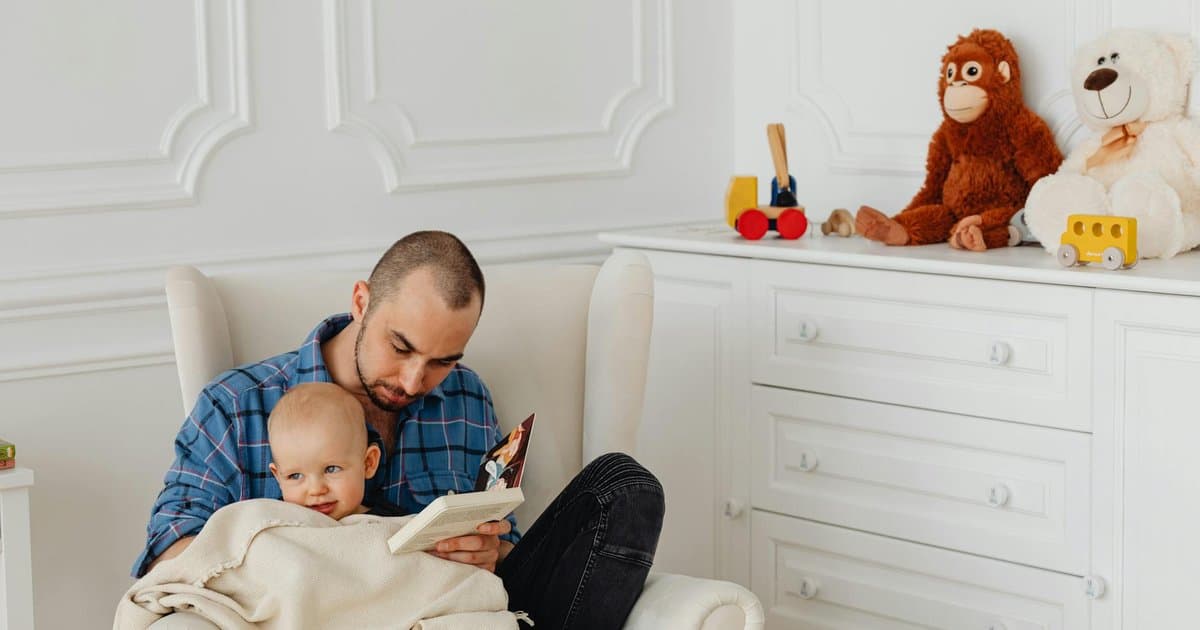
A personalized Father's Day book from kids turns your child's own words, drawings, and observations into a keepsake that dad will actually re-read for years. Unlike a mug or tie, it captures a specific moment in your child's development, preserving how they see their father right now. Whether your child is two or twelve, there's an age-appropriate way to make this work.
Key Takeaways
- Children's own words and imperfect artwork make the most meaningful gifts for dads.
- Kids ages 2 to 12 can all contribute with the right level of support.
- Allow at least two weeks before Father's Day for online printing and shipping.
- Specific, funny details about dad matter more than polished writing or design.
- This gift works for stepdads, grandfathers, uncles, and any father figure.
Why Personalized Books Work as Father's Day Gifts From Kids
Personalized books tap into something developmental psychologists have studied for decades: children build stronger emotional awareness when they articulate what someone means to them. According to Denham (1998) 1, preschool-aged children who practice naming emotions and describing relationships show stronger social competence over time. A personalized Father's Day book from kids gives them a structured way to do exactly that.
Dads also respond differently to gifts that contain a child's authentic voice. A survey by the National Retail Federation (2023) 2 found that 43% of consumers planned to give Father's Day cards, but handmade and personalized items consistently rank as the most treasured gifts among fathers. The reason is simple: a child's wobbly handwriting or funny observation ("Dad smells like coffee and grass") can't be replicated or bought off a shelf.
These books also work across a wide age range. Toddlers contribute through dictation and scribbled illustrations. Older children write their own pages. The format scales naturally.
How to Create a Personalized Father's Day Book From Your Child
Start by sitting down with your child and asking open-ended questions about dad. Skip vague prompts like "What do you love about daddy?" Instead, try specific ones: "What does dad always say when he's cooking?" or "What's the silliest thing dad has ever done?" These concrete prompts pull out the details that make a book genuinely personal.
Write down your child's exact words. Resist the urge to edit their grammar or polish their phrasing. According to NAEYC's guidelines on emergent writing, children's authentic language reflects their developmental stage and carries emotional weight that adult rewording loses. "Dad has big hands that keep me safe" is better than anything you'd ghost-write.
Next, gather visuals. Your child can draw pictures, and you can add family photos. If you're considering personalized books with photos, combining both hand-drawn art and photographs creates a book that feels layered and real.
Age-Appropriate Ways to Involve Your Child in the Process
Ages 2 to 4: At this stage, your child is the creative director and you are the scribe. Ask simple questions and write their answers word for word. Let them scribble, paint, or stamp on each page. ZERO TO THREE (2016) 3 emphasizes that toddlers express complex feelings through art and play long before they can write. A page with a red crayon blob and the caption "This is dad being loud" is perfect.
Ages 5 to 7: Early readers and writers can handle short sentences or fill-in-the-blank prompts. Try formats like "Dad is funny because ___" or "My favorite thing we do together is ___." Expect invented spelling. Celebrate it. These imperfections are what make the book a snapshot of this exact age.
Ages 8 and up: Older children can write longer entries, include humor, and even structure a narrative. They might want to write a "top ten" list or a short essay. For ideas on what resonates with this age group, see personalized books for different ages. Give them creative freedom but offer to brainstorm if they get stuck.
Choosing the Right Format and Platform for Your Timeline
Your format depends on three things: time, budget, and how polished you want the result to look.
DIY and printable books are the most affordable option. You can fold printer paper in half, staple it, and let your child fill each page. Total cost is nearly zero. Total time is two to five hours, spread across a few sessions. The handmade quality is part of the charm.
Online personalized book services offer professional printing and binding. Most need three to seven business days for production and shipping. Some platforms, like Why I Love Dad templates, let you customize pages with your child's input so the final product feels both personal and polished. Order at least two weeks before Father's Day to allow for delivery delays.
Local same-day printing works in a pinch. Design your pages digitally, bring them to a print shop, and have them spiral-bound. Expect to pay $15 to $40 depending on page count and finish. Not the cheapest route, but reliable when time is short.
What to Include to Make the Book Meaningful
Generic compliments fall flat. "Dad is the best" is kind but forgettable. Specific, true observations are what make dads tear up.
Ask your child to recall a particular moment. "Remember when dad tried to fix the sink and water went everywhere?" is the kind of detail that becomes a family legend. Funny moments are especially powerful because they signal intimacy. You only laugh about specific things with people you know well.
Include what your child has learned from dad. "Dad taught me how to ride my bike without training wheels" captures a relationship milestone in one sentence. Also include sensory details: what dad smells like, the sound of his laugh, his go-to phrases. Research by Fivush and Nelson (2004) 4 shows that children who co-construct personal narratives with family members develop stronger autobiographical memory and emotional understanding.
Avoid filling pages just to reach a certain length. Five genuine pages beat fifteen padded ones. Quality over quantity matters here, especially for younger children whose attention and stamina are limited.
When This Gift Is Perfect (and When Other Options Might Work Better)
This gift is ideal for sentimental dads who save artwork, re-read cards, and love story time. It's a strong choice if you have at least two weeks before Father's Day and a child old enough to contribute some input, even if that input is a single dictated sentence per page.
It's less ideal if your child's father figure prefers practical gifts or experiences over keepsakes. Some dads genuinely value a shared breakfast or a fishing trip more than a physical object. That's not a failure of the gift idea; it's a difference in love language.
A smart middle ground: pair a short personalized book (four to six pages) with an experience. The book becomes the card, and the experience becomes the gift. This approach works especially well with reluctant children who don't want to fill a whole book but can contribute a page or two.
Honest Talk: When to Adjust Your Approach
Not every family dynamic makes this gift straightforward. If your child resists participating, don't push. Some children, especially those between ages 4 and 7, find it uncomfortable to articulate feelings about a parent on command. Forcing sentiment creates stress, not connection.
For children in blended families or with complicated father relationships, keep the scope small and honest. Focus on shared moments rather than deep emotional declarations. "I like when we watch football together" is perfectly sufficient. According to the American Academy of Pediatrics (2016), children in diverse family structures benefit from acknowledgment of their actual relationships rather than idealized ones 5.
If a child is grieving a father's absence or navigating estrangement, a low-pressure creative project, like a single illustrated page rather than a whole book, respects their emotional reality. Let them decide how much to contribute.
Practical Steps: From Idea to Finished Gift
Week 1: Gather and decide. Choose your format. Sit with your child for 15 to 20 minutes and collect their words using specific prompts. Record audio on your phone if your child talks faster than you can write.
Week 2: Create and draft. Lay out pages with your child's words and artwork. If using an online service, upload photos and text. If going DIY, let your child decorate pages over two or three short sessions rather than one marathon. Young children focus best in 10- to 15-minute bursts, a pattern consistent with attention span research from ZERO TO THREE (2016) 3.
Days before Father's Day: Finalize. Review the book with your child. Ask if they want to add or change anything. Print, assemble, or confirm your shipping status. Wrap it simply.
Presentation matters. Don't bury this gift in a pile of other presents. Hand it to dad in a quiet moment so he can actually read it. Many parents find that bedtime is the perfect setting, since it mirrors the reading ritual most families already have.
Get practical parenting tips delivered weekly
Evidence-based guidance for the moments that matter. No spam, unsubscribe anytime.
Frequently Asked Questions
Keep reading
How to Create a Dog Memorial Book (With Printable Templates)
Create a dog memorial book with photos, stories, and mementos. Learn 5 organizational tips and design ideas for honoring your pet's memory.
8 min read

How to Write a Wedding Speech for Your Aunt and Uncle (With Examples)
Write a heartfelt 3-5 minute wedding speech for your aunt and uncle. Follow this proven structure with character-focused stories and authentic delivery tips.
7 min read

Cat Memorial Book Ideas: Creating a Lasting Tribute
Create a cat memorial book with photos, memories, and keepsakes. Learn 6 meaningful ways to honor your pet and process grief with this personalized tribute.
7 min read
Get weekly parenting tips backed by research
Evidence-based guidance for the moments that matter. No spam, unsubscribe anytime.