Preparing Kids for a Wedding Ceremony: A Practical Guide
Start preparing kids for weddings 4-6 weeks early with venue visits, role-play, and comfort kits. Reduce anxiety and prevent meltdowns with proven strategies.

Matt Li
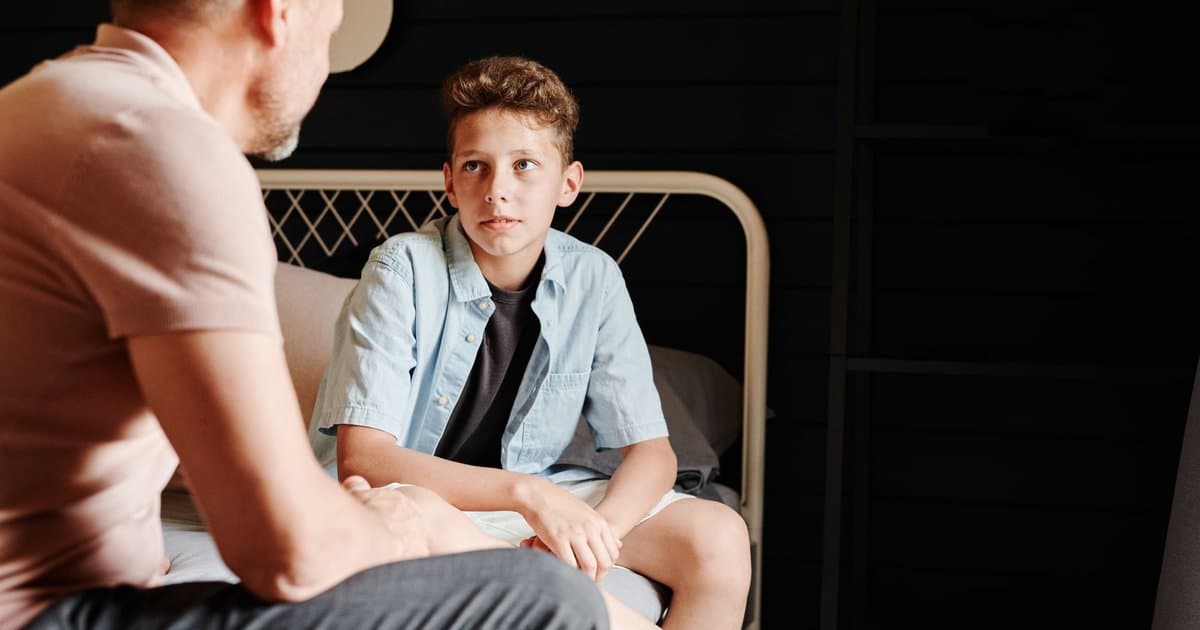
Start preparing kids for your aunt's wedding ceremony about four to six weeks before the event by talking through what will happen, practicing any roles, and visiting the venue if possible. Children handle new experiences best when they know what to expect, so your main job is to turn the unknown into the familiar. A combination of honest conversation, sensory planning, and a few rehearsals will help your child feel confident and calm on the day.
Key Takeaways
- Begin wedding preparation conversations four to six weeks before the ceremony.
- Children manage new events better when the sequence of events feels predictable.
- Practice ceremony clothing, roles, and sitting still in short, low-pressure sessions.
- Pack a comfort kit with quiet activities, snacks, and a plan for breaks.
- Validate effort over perfection after the ceremony ends.
The 50 30 20 Rule for Wedding Budgets
The 50 30 20 rule is a wedding budgeting guideline suggesting 50% of the budget goes to the reception, 30% to the ceremony and attire, and 20% to extras like flowers, photography, and entertainment. While it has nothing to do with preparing kids for a ceremony, parents sometimes encounter this term while searching for wedding planning advice.
If you're a guest (not the couple), your focus isn't the budget. Your focus is getting your child through the ceremony feeling safe and, ideally, proud. The rest of this guide covers exactly how to do that.
Why Wedding Ceremonies Feel Overwhelming for Young Children
Weddings combine almost every challenge a young child can face at once: unfamiliar spaces, formal clothing, long periods of sitting still, loud music, and intense adult emotions. According to Wedding Chicks 1, planning proactively for children's needs is the single most effective way to prevent meltdowns at ceremonies.
Children under age 7 generally struggle with sustained attention beyond 15 to 20 minutes. A 30-minute ceremony can feel endless. Add scratchy tights, a booming organ, and a room full of strangers, and you have a recipe for sensory overload.
Kids also absorb adult stress. If you're rushing to get dressed, anxious about being late, or emotional about the couple, your child picks up on that tension. Recognizing these triggers early is the first step toward preparing kids for your aunt's wedding ceremony successfully.
Starting the Conversation Early and Keeping It Honest
Begin talking about the wedding four to six weeks in advance. Use concrete language your child can picture: "Auntie Maya and Uncle James are making a promise to love each other in front of our whole family. We'll watch them, clap, and then eat cake together."
Walk through the ceremony sequence in order. Arriving. Finding seats. Watching the person walk down the aisle. Hearing the vows. Clapping and cheering. This kind of predictable narrative reduces anxiety the same way previewing a first day of preschool anxiety routine helps a nervous child walk into the classroom.
Let your child ask questions without judgment. "Why do they wear a ring?" and "Can I bring my dinosaur?" are equally valid. According to Mimi Rose and Me 2, explaining events in a child's own language is one of the most effective preparation strategies parents can use.
Visiting the Venue Ahead of Time
If geography allows, take your child to see the ceremony space before the wedding day. Walk through where guests sit. Point out where the couple will stand. Show them the restrooms and any outdoor areas where you could take a break.
This approach mirrors how pediatric therapists prepare children for medical visits. Just as doctor checkup activities help kids feel comfortable in clinical settings, a venue walkthrough removes the "unknown" factor that fuels anxiety.
If visiting isn't possible, ask the couple or venue for photos. Even a short video call showing the space helps a child build a mental map. Point out details they'll enjoy: stained glass windows, a garden path, chairs with bows. Familiarity is the antidote to fear.
Preparing What Your Child Will Wear
New, stiff clothing on an already stressful day is a meltdown waiting to happen. Have your child try on their complete outfit, including shoes, at least three times before the wedding. Look for scratchy tags, tight waistbands, and shoes that pinch.
Choose elastic waistbands over buttons where possible. If your child dislikes tights or stiff collars, find alternatives that still look appropriate. Letting them pick a small detail, like a hair clip color or a bowtie pattern, gives them a sense of ownership.
Pack a change of comfortable clothes for after the ceremony. Many parents find that knowing they can change out of formal wear helps children tolerate it during the ceremony itself.
Teaching Ceremony Expectations Without Pressure
Role-play the ceremony at home. Practice walking slowly, sitting still for five minutes, and clapping at a cue. Keep sessions short and playful, not drill-like.
According to Mombian 4, children respond well to seeing other kids in wedding roles, whether through photos, videos, or picture books. Watching a flower girl on a family video normalizes the experience. Teach a simple silent signal, like a hand squeeze, that means "you're doing great." This gives your child a private anchor during the ceremony when words aren't appropriate.
Stories are especially effective. Reading a picture book about a child attending a wedding, or a personalized story about your aunt's wedding, helps children see themselves in the situation before it happens. This kind of narrative rehearsal builds confidence without any pressure to perform.
Creating a Comfort Kit and Planning for Restlessness
Pack a small bag with quiet, non-noisy items: a coloring book, sticker sheets, a fidget toy, and a snack. Avoid anything with sound effects. Bring water and mints for yourself too, because calm parents help calm children.
According to PT Celebrant 3, involving children with small tasks or comfort items during the ceremony keeps them engaged. Before the day, identify a quiet retreat space: a lobby, an outdoor courtyard, or even the car. Tell your child in advance, "If you feel upset, we can take a quiet break and come back." Having a plan makes both of you feel more prepared.
Sit near the aisle so you can slip out easily without climbing over other guests.
Supporting a Child with a Ceremonial Role
If your child is a flower girl, ring bearer, or reader, attend the rehearsal. Let them practice multiple times. More importantly, explain what happens if something goes sideways: "If you drop the flowers, people will smile because it's sweet. The wedding keeps going."
Assign a trusted adult as their "safety person" at the front of the ceremony. This could be you, a grandparent, or a favorite family friend. Knowing exactly who to look at for reassurance makes a huge difference. Celebrate their effort afterward, regardless of how it went. Participating in a ceremony is a big milestone, similar to the courage it takes when learning how to help your child make friends in new social settings.
Managing Sensory Sensitivities
Some children struggle with loud music, perfume, bright lights, or crowded rooms. Noise-reducing headphones are a legitimate tool for organ music or amplified speakers. Arrive early so you can choose a seat away from the sound system or large groups.
Plan a movement break during a natural pause in the ceremony, like between readings. For children who do better with some physical freedom, standing at the back or side of the venue rather than sitting in a pew can help. These aren't signs of failure. They're strategies that allow your child to be present comfortably.
When to Worry vs. When This Is Normal
Nervous questions, mixed excitement and worry, fidgeting during the ceremony, and a few tears are all developmentally normal responses for children ages 4 to 10. Needing a break or wanting to leave early is not a sign of a problem.
Watch for more intense signals: persistent sleep loss in the weeks before the wedding, flat refusal to attend despite repeated preparation, nightmares about the event, or panic-like symptoms such as rapid breathing and inability to calm down. If you see these patterns, talk to your pediatrician. A few sessions with a child therapist can provide grounding techniques that help with this event and many future ones.
Celebrating and Debriefing After the Wedding
Thank your child for their effort. Acknowledge what they did, not how perfectly they did it: "You sat through the whole ceremony and cheered at the end. That took courage."
Ask open-ended questions. "What was your favorite part?" and "What surprised you?" invite reflection. If they struggled, validate that too: "That was louder than you expected, and you still stayed."
Share photos or a short video clip so they can see themselves in the moment. This positive reinforcement builds confidence for the next big event they'll face.
Get practical parenting tips delivered weekly
Evidence-based guidance for the moments that matter. No spam, unsubscribe anytime.
Frequently Asked Questions
Keep reading
How to Create a Dog Memorial Book (With Printable Templates)
Create a dog memorial book with photos, stories, and mementos. Learn 5 organizational tips and design ideas for honoring your pet's memory.
8 min read
How to Write a Wedding Speech for Your Aunt and Uncle (With Examples)
Write a heartfelt 3-5 minute wedding speech for your aunt and uncle. Follow this proven structure with character-focused stories and authentic delivery tips.
7 min read
Cat Memorial Book Ideas: Creating a Lasting Tribute
Create a cat memorial book with photos, memories, and keepsakes. Learn 6 meaningful ways to honor your pet and process grief with this personalized tribute.
7 min read
Get weekly parenting tips backed by research
Evidence-based guidance for the moments that matter. No spam, unsubscribe anytime.