Safari Animal Activities for Kids: 30 Ways to Explore and Learn
30 safari animal activities for kids combining crafts, movement, and storytelling. Multi-sensory activities for ages 3-8 using household supplies and real animal facts.

Matt Li
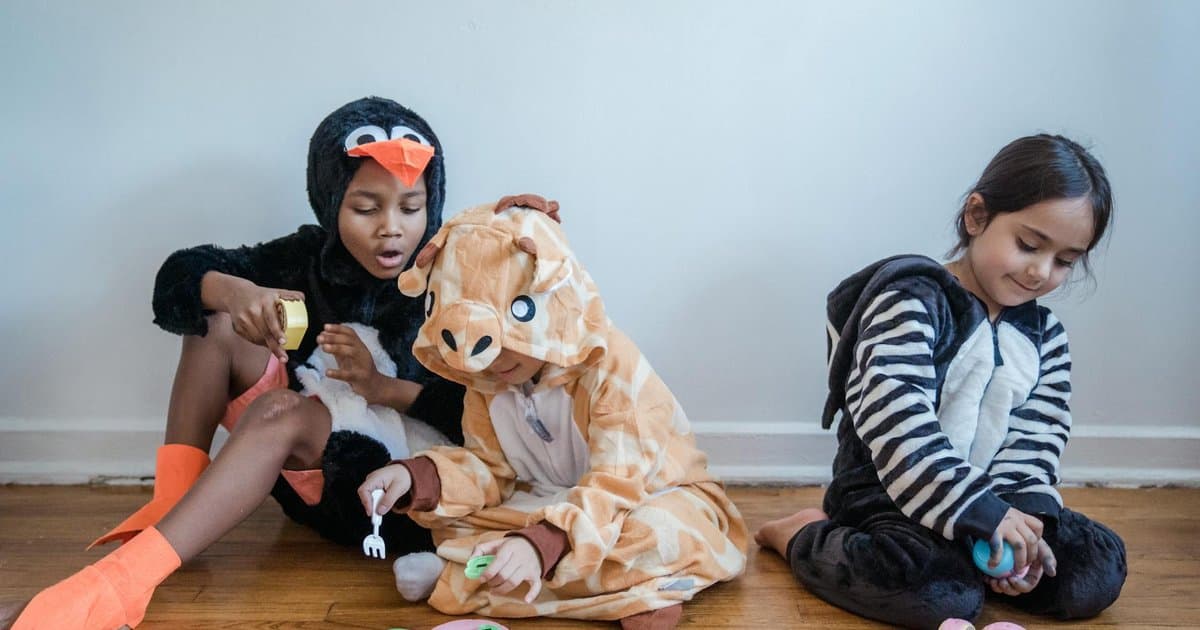
Safari animal activities for kids range from simple paper plate masks to multi-day habitat dioramas, and the best ones combine hands-on play with real wildlife learning. Children ages 3 to 8 retain information most effectively when they engage multiple senses simultaneously, so activities that pair movement, art, and storytelling with animal facts outperform worksheets every time. Below you'll find 30 activities organized by type, each requiring minimal prep and mostly household supplies.
Key Takeaways
- Multi-sensory safari activities improve vocabulary and memory retention in young children.
- Most activities require only basic supplies like paper plates, paint, and toy animals.
- Mixing craft, movement, and storytelling activities matches different learning styles.
- Children ages 3 to 8 benefit most when play includes real animal facts.
- These activities work at home, in classrooms, and in mixed-age group settings.
Creative Craft Activities That Build Fine Motor Skills
Craft projects keep kids absorbed while quietly developing hand strength and dexterity. According to the National Association for the Education of Young Children (NAEYC), art-based activities support cognitive development because children must plan, problem-solve, and sequence steps 1. Here are craft-based safari animal activities for kids of all skill levels.
Paper plate and paper bag masks. Cut eye holes in a paper plate, then let children paint it to resemble a lion, zebra, or elephant. Paper bag puppets work similarly. Both take about 15 minutes and require only paint, glue, and scissors.
Painted rock animals. Collect smooth stones and paint them as leopards, hippos, or rhinos. Children practice grip strength while painting spots, stripes, and facial features. These make great display pieces afterward.
Pipe cleaner safari creatures. Twist pipe cleaners into giraffes, snakes, or flamingos. This builds finger dexterity that research from ZERO TO THREE links to later writing readiness 2.
Torn paper collage. Tearing paper (rather than cutting) strengthens the small muscles in fingers. Children tear tissue paper or construction paper into pieces and glue them onto animal outlines. A lion mane made from torn orange and yellow paper is a classroom favorite.
Active Play and Movement Games for Energy Release
Movement-based safari animal activities for kids burn energy while teaching real animal behaviors. A study published in Pediatrics found that children who engage in active imaginative play show improved self-regulation and executive function compared to sedentary play 3.
Safari animal charades. Write animal names on cards (use pictures for pre-readers). One child acts out the animal while others guess. This teaches observation skills and body awareness. Most rounds run 20 to 30 minutes before kids lose interest.
Predator and prey tag. Designate one child as a lion and others as zebras. Zebras must "freeze" when tagged and can only be freed by another zebra. This naturally introduces food chain concepts through play.
Animal walk obstacle course. Set up stations where children move differently: stomp like an elephant through a pillow path, slither like a snake under a blanket tunnel, leap like a gazelle over cushions. Rotate stations every 3 minutes.
Dance and freeze. Play music and call out animals. Children move like that animal until the music stops. When it freezes, they hold their pose. Flamingo freeze is always the hardest, and the giggling is guaranteed.
Sensory and Exploration Activities for Younger Kids
Sensory bins and tactile play are especially powerful for toddlers and preschoolers. The Montessori approach emphasizes that children under five learn primarily through touch and manipulation of real materials, not abstract instruction. These activities engage that instinct.
Safari sensory bins. Fill a shallow container with sand, small rocks, dried leaves, and plastic safari animals. Add scoops and cups. Children sort, bury, and discover animals while building vocabulary. Expect 20 to 40 minutes of independent play from most 3-year-olds.
Animal texture books. Glue different materials onto cardboard cards: faux fur for a lion, smooth fabric for a snake, bumpy bubble wrap for a crocodile. Toddlers explore textures while learning animal names.
Binocular craft for exploration play. Tape two toilet paper rolls together and add a string. Children use their "binoculars" to go on an indoor or outdoor safari, spotting hidden toy animals you've placed around the space.
Safari scavenger hunts. Hide animal pictures or toys throughout a room or yard. Give children a checklist with images. This builds visual discrimination skills and keeps kids moving. According to ZERO TO THREE, scavenger hunts support early problem-solving and persistence 2.
Learning Projects That Spark Curiosity About Real Animals
Older children (ages 5 to 8) are ready for research-based projects that deepen understanding. Reggio Emilia-inspired approaches suggest following children's questions rather than imposing a fixed lesson plan. If a child asks why zebras have stripes, that curiosity becomes the project.
Animal fact cards. Children draw an animal on one side of an index card and write (or dictate) three facts on the other. A 6-year-old might write: "Elephants can weigh 13,000 pounds." Building a full deck takes several sessions and creates a reusable learning tool.
Habitat dioramas. Use a shoebox as the base. Children add sand, twigs, dried grass, and painted backdrops to create a savanna scene. Plastic animals complete the display. This project stretches across two or three days, which teaches planning and delayed gratification.
Food chain matching games. Create cards showing producers (grass, acacia trees), herbivores (zebras, wildebeest), and predators (lions, cheetahs). Children arrange them in chains. This introduces ecosystems without the jargon.
Size comparison with measurement. How tall is a real giraffe? Use a tape measure to mark 18 feet on a wall or sidewalk. Compare that to a child's height. Hands-on measurement like this makes abstract numbers concrete, which aligns with findings from the National Council of Teachers of Mathematics on early numeracy development 4.
Storytelling and Imaginative Play Activities
Narrative-based play develops language, empathy, and creative thinking simultaneously. Research by Singer and Singer (2005) found that children who engage regularly in pretend play develop richer vocabularies and stronger narrative skills 5. Safari themes offer natural story structures: journeys, discoveries, and encounters with animals.
Animal puppet shows. Children create stick puppets from paper cutouts glued to craft sticks. Then they perform a short story, perhaps a baby elephant finding its way home. Puppet play helps shy children express ideas more freely, much like how social stories for teaching kids to make friends use narrative to build social confidence.
Safari role play. A sun hat, a toy camera, and a notebook transform any room into a safari vehicle. One child plays the guide, describing animals for the "tourists." This builds descriptive language and turn-taking.
Story sequencing with pictures. Print or draw four to six images showing a safari story in sequence (packing a bag, driving through the savanna, spotting a lion, returning home). Children arrange them in order and narrate.
Animal sound activities. Play recordings of real animal calls and have children guess the animal. Then create percussion instruments from household items (rice in a sealed container for a rattlesnake, a drum for elephant footsteps) to accompany a safari story.
Art and Science Integration Projects
Cross-curricular activities combine creativity with real wildlife science, giving children reasons to observe closely. These projects work particularly well for visual learners and children who resist traditional worksheets.
Pattern and stripe painting. Zebra stripes and giraffe spots are actually unique to each animal, like fingerprints. Children paint their own patterns on animal outlines, then compare. This introduces concepts of variation and individuality.
Camouflage experiments. Cut animal shapes from patterned paper and hide them against matching backgrounds. Children search for hidden animals, learning why camouflage matters for survival. Time them to add excitement.
Animal migration map making. Using a simple outline map of Africa, children trace migration routes with markers or yarn. Wildebeest travel roughly 1,000 miles per year in their circular migration, a fact that astonishes most kids. According to the NAEYC, map activities build spatial reasoning even in preschool-age children 1.
Adaptation design challenges. Ask children: "If you were designing an animal to survive in the hot savanna, what would it look like?" They draw or build their creature, then explain its features. This nurtures scientific thinking and creative reasoning simultaneously.
Classroom-Ready Lessons for Teachers
Teachers can implement these safari animal activities for kids with minimal prep by using station rotations. Set up four to five stations (one craft, one sensory, one movement, one research, one storytelling) and rotate groups every 15 minutes. Mixed-age groups work well because older children naturally model skills for younger ones.
Whole-class animal movement breaks. Between lessons, call out an animal and have the entire class move like it for 60 seconds. This resets attention spans and reinforces vocabulary from earlier activities.
Shared habitat building. Dedicate a corner of the classroom to a collaborative savanna diorama that grows over a week or a month. Each child adds elements, creating shared ownership of the project.
Group storytelling and performance. The class co-creates a safari adventure story. Each child contributes one sentence or scene. Perform it for another class or for parents at pickup. For younger groups, personalized stories can scaffold this process. Some parents find that a personalized safari animal adventure featuring their child's name helps reluctant readers engage with the topic before group activities begin.
When Safari Activities Work Best
These activities fit naturally into themed weeks, rainy-day plans, travel preparation (especially before zoo visits or trips to wildlife parks), and anytime children show spontaneous curiosity about animals. For ages 3 to 4, focus on sensory bins, movement games, and simple crafts. Children ages 5 to 6 thrive with puppet shows, scavenger hunts, and pattern painting. Ages 7 to 8 are ready for dioramas, research cards, and adaptation challenges.
Most activities take 20 to 40 minutes, but dioramas and research projects stretch across several days. Nearly all can be done with household supplies. If you need to buy anything, expect to spend under $5 on paint, pipe cleaners, or construction paper.
The key to sustaining engagement is variety. Alternate between sitting and moving, between individual and group work, between creating and performing. Children who show intense interest can maintain a "safari journal" where they add drawings and facts over weeks, building a resource that's uniquely theirs. This approach mirrors how personalized books for newborns create lasting connections through personal relevance.
Get practical parenting tips delivered weekly
Evidence-based guidance for the moments that matter. No spam, unsubscribe anytime.
Frequently Asked Questions
Keep reading
How to Create a Dog Memorial Book (With Printable Templates)
Create a dog memorial book with photos, stories, and mementos. Learn 5 organizational tips and design ideas for honoring your pet's memory.
8 min read

How to Write a Wedding Speech for Your Aunt and Uncle (With Examples)
Write a heartfelt 3-5 minute wedding speech for your aunt and uncle. Follow this proven structure with character-focused stories and authentic delivery tips.
7 min read

Cat Memorial Book Ideas: Creating a Lasting Tribute
Create a cat memorial book with photos, memories, and keepsakes. Learn 6 meaningful ways to honor your pet and process grief with this personalized tribute.
7 min read
Get weekly parenting tips backed by research
Evidence-based guidance for the moments that matter. No spam, unsubscribe anytime.