Teaching Kids to Write Letters to Grandparents: A Practical Guide
Teach your child letter writing with age-appropriate strategies for ages 3-10. Build communication skills and strengthen grandparent bonds through handwritten
Erika Wong
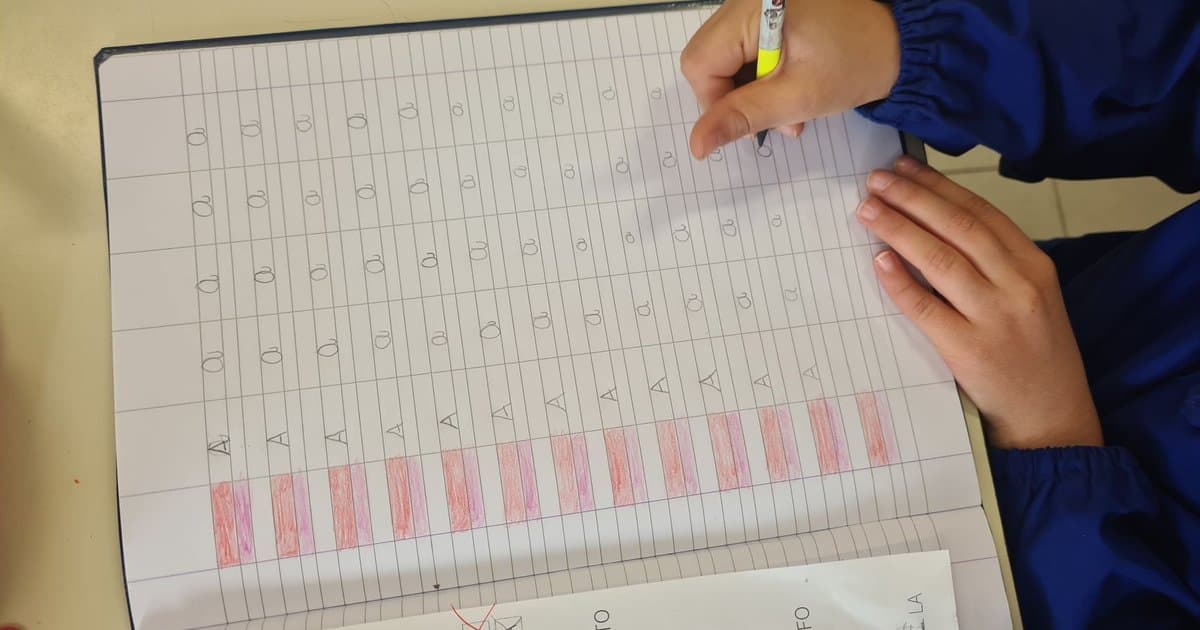
Start by sitting with your child, talking about what they want to share with their grandparent, and then guiding them to put those ideas on paper in whatever form matches their age and ability. Teaching kids to write letters to grandparents works best when you treat it as a communication skill that develops over time, not a one-off activity with high expectations.
Key Takeaways
- Children as young as 3 can participate through dictation, drawing, and stickers.
- Explicitly teaching the steps of letter writing, just like any classroom skill, builds lasting confidence.
- Grandparents treasure imperfect, authentic letters far more than polished ones.
- Monthly or seasonal letters create a sustainable habit without pressure.
- Illustrations and creative touches make letters feel personal and keep kids engaged.
Staying Connected Before Kids Drift Away
Research on intergenerational relationships suggests that children's interest in spending time with grandparents can begin to shift around ages 10 to 12, when peer relationships take center stage. This doesn't mean the bond disappears. It means the window for building strong communication habits is widest during early and middle childhood, roughly ages 4 to 10. Letter writing gives children a concrete way to maintain connection during this critical period, especially with grandparents who live far away. According to Hallmark's guide to teaching kids letter writing 1, the physical act of sending mail helps children understand that relationships require effort and intention. Starting early normalizes that effort.
Why Letter Writing Matters for Kids and Grandparents
Letter writing builds fine motor skills, sequencing ability, and emotional vocabulary all at once. When a child writes "Dear Grandma, I lost my tooth at school and it was scary but also funny," they're organizing a real experience into language. That's meaningful practice, far more motivating than a worksheet.
For grandparents, these letters become keepsakes. As The Long Distance Grandparent 3 notes, handwritten notes from grandchildren capture a child's voice and personality at a specific moment in time. Those details become irreplaceable as children grow. The practice also teaches patience: your child writes, waits, and eventually receives a reply. That cycle of anticipation is rare in a world of instant messaging.
Getting Started With Teaching Kids to Write Letters to Grandparents
Before your child picks up a pencil, have a conversation. Ask them: "What happened this week that made you laugh?" or "What do you want Grandpa to know about?" The ideas come first. The writing follows.
Gather simple supplies: paper, colored pencils, stickers, an envelope, and a stamp. If your child is still working on teaching letter recognition to young children, don't worry about handwriting quality. Show them a short example letter, even one you've written yourself. Read it out loud so they hear the friendly, casual tone. Set up a quiet spot with minimal distractions. Keep the mood light. This is a gift they're making, not an assignment they're completing.
Age-Appropriate Letter Writing Strategies
Children's writing abilities vary enormously, and your expectations should match where your child actually is.
Age Range | What They Can Do | Your Role |
|---|---|---|
3–5 years | Dictate ideas, draw pictures, add stickers or scribbles | Write their words for them, narrate what you're doing |
6–7 years | Write simple sentences with support, copy sentence starters | Provide prompts like "Dear Grandma, I learned..." |
8–10 years | Draft independently, add details and questions | Offer light feedback, help with envelope addressing |
For younger children, alphabet learning activities for preschool can build the foundation that makes letter writing feel less intimidating later. At every age, let the handwriting be messy. Personality matters more than penmanship.
Structuring the Letter Without Losing Your Child's Interest
A simple structure prevents the blank-page freeze. I teach it the same way I teach any classroom routine: explicitly, with practice.
In my classroom, I never assume kids know how to do something just because I've explained it once. I treat expected behaviors as skills we practice over and over. Letter writing is the same. With my daughter Nora, we practiced the three parts until they became automatic: greeting, one or two things to share, and a warm closing. The first few times, I sat beside her and we talked through each part before she wrote a single word. By the fourth letter, she grabbed the paper and started on her own.
Use prompts if your child gets stuck: "What are you excited about right now?" or "What question do you want to ask Grandma?" According to The Postman's Knock 4, asking a question in the letter gives grandparents a natural way to respond, which keeps the correspondence going.
Overcoming Common Writing Obstacles
Some children freeze the moment you hand them paper. This is normal, not a character flaw. Start with drawing. A picture of the family dog with a caption ("This is Max. He ate my sock.") is a perfectly valid letter.
If your child says "I don't know what to say," try narrowing the options. Instead of "Write about anything," ask "Tell Grandpa about your soccer game or your new book. Which one?" Specific choices reduce overwhelm. For children who get frustrated with handwriting, consider typed letters or a combination of words and pictures. According to Inner Child Fun's Write to Grandma Kit 2], keeping all supplies together in a dedicated kit makes the process feel special rather than like homework. Some families also find that reading a [personalized book about grandparents together sparks ideas about what to write, because children see their own relationship reflected back to them.
Making It a Regular Habit Without Pressure
Monthly or seasonal letters work better than weekly expectations for most families. Tie letter writing to something that already happens: the first weekend of each month, the day after a birthday, or the week before a holiday.
When grandparents reply, share that response enthusiastically. Read it aloud at dinner. Stick it on the fridge. My son Ollie didn't care much about writing letters until his grandpa wrote back with a drawing of a dinosaur. After that, Ollie wanted to send one every two weeks. The reply made the whole cycle feel real.
Let your child choose when to write. Frame it as a gift they're giving, not a task on a checklist. If they resist, step back for a few months and try again. Readiness varies widely, and pressure creates negative associations with writing, which is the opposite of what you want.
Bringing Letters to Life With Illustrations and Creative Touches
Drawings, stickers, pressed leaves, and photos all belong in a letter. For children still developing preschool communication with parents and teachers, illustrations are a legitimate form of expression. A child who draws a detailed picture of their classroom and labels three things has communicated meaningfully.
Encourage variety so each letter feels different. One month might include a hand-drawn map of the neighborhood. Another could have a photo from a school event with a caption. Washi tape borders or a spritz of a silly scent (orange peel, anyone?) make the letter multisensory. Grandparents treasure these touches because they carry the child's personality in ways a text message never could.
When Letter Writing Feels Like a Struggle
Some children resist writing due to fine motor delays, anxiety about mistakes, or simple lack of interest. Before age 7, many children's hand muscles are still developing, and sustained writing is genuinely tiring. If writing consistently causes tears or frustration, consider alternatives: voice recordings, video messages, or collaborative letters where you write and they illustrate.
Talk to your pediatrician or an occupational therapist if your child's writing difficulty seems significantly behind peers by age 7 or 8. Difficulty gripping a pencil, extreme letter reversal past first grade, or strong avoidance of all writing tasks are worth mentioning at a checkup. For most kids, though, the reluctance is about confidence, not ability. Reassure them that grandparents want their words, not perfect spelling.
Get practical parenting tips delivered weekly
Evidence-based guidance for the moments that matter. No spam, unsubscribe anytime.
Frequently Asked Questions
Keep reading

Supporting Siblings During NICU Stay: What Parents Need to Know
Help siblings cope with NICU stress through honest explanations, routines, and connection activities. Most behavioral changes resolve within weeks of discharge.
10 min read

Teaching Empathy Through Children's Stories: A Practical Guide
Learn how to teach empathy through children's stories with practical techniques. Research shows kids develop stronger peer relationships with regular diverse
10 min read

How to Motivate Students on Classroom Behavior (Strategies That Work)
Master 8 proven strategies to motivate students on classroom behavior. Learn why specific praise and consistency outperform rewards, plus tools that work.
9 min read
Get weekly parenting tips backed by research
Evidence-based guidance for the moments that matter. No spam, unsubscribe anytime.