Teaching Kids About Different Family Structures: A Practical Guide
Teach kids about diverse families with proven strategies. Early exposure reduces bias, builds empathy, and helps all children develop stronger social skills.
Erika Wong
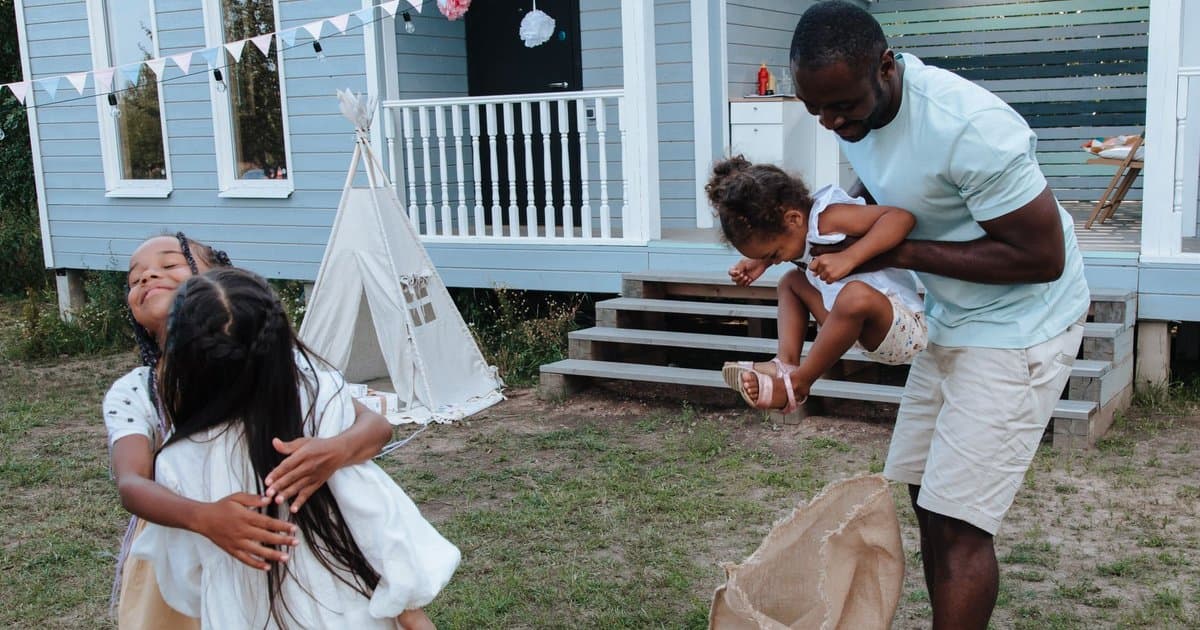
Teaching kids about different family structures works best when you start early, keep it factual, and weave representation into everyday life rather than staging a single big conversation. Children as young as three can grasp that families come in many forms: two moms, one dad, grandparents as primary caregivers, adoptive parents, blended households. According to Bright Horizons 2, children who see diverse families represented in books, media, and daily conversations develop stronger social skills and less bias over time.
Key Takeaways
- Early, matter-of-fact exposure to diverse families reduces stigma and builds empathy.
- Simple language works best: "Families are different, and all families can be full of love."
- Picture books are one of the most effective tools for normalizing family diversity.
- Children's questions about families deserve direct, calm, honest answers.
- Persistent anxiety or bullying about family structure warrants professional support.
The 3 3 3 Rule and Why Repeated Exposure Matters
The 3 3 3 rule is a simple anxiety-management strategy for children: name 3 things you see, 3 things you hear, and 3 things you can touch. It grounds kids in the present moment when they feel overwhelmed, and it works just as well during a confusing social situation as during a thunderstorm.
I bring it up here because conversations about family diversity can occasionally stir up big feelings, especially for a child whose own family looks different from most of their peers. If your child gets anxious or upset during a conversation about families, try the 3 3 3 rule to bring them back to the present before continuing. Then return to the topic calmly. The goal is to pair family diversity conversations with emotional safety, not tension. According to the Illinois Early Learning Project 5, children feel more secure discussing families when caregivers remain relaxed and matter-of-fact.
Why Teaching Children About Diverse Family Structures Matters
Children who grow up seeing only one type of family reflected around them can develop rigid ideas about what "normal" looks like. That rigidity creates two problems: kids in non-traditional families may feel ashamed, and kids in traditional families may struggle to understand or accept peers whose homes look different.
According to BabyCenter 1, exposing children to diverse family structures early helps reduce prejudice and builds the social flexibility they'll need throughout life. In my classroom, I've watched a five-year-old casually explain to a confused peer, "Liam has two dads. That's just his family." That casual confidence came from months of books, conversations, and seeing different families welcomed at pickup and drop-off. It did not happen from a single lesson.
Early conversations are also simpler. A three-year-old accepts "Some kids live with grandma" without needing a sociology lecture. Wait until age eight, and you're unpacking years of assumptions.
Age-Appropriate Ways to Introduce Family Diversity
For children ages 3 to 5, keep language short and concrete. Try: "Some families have two moms. Some have one parent. Some kids live with their grandparents. All families are different." You don't need to explain why. At this age, kids absorb facts more easily than abstractions. According to the WTCS Infant & Toddler Development text 7, young children primarily understand family through daily routines, so connecting structure to lived experience ("Ava's grandma picks her up, just like your dad picks you up") is more effective than abstract definitions.
For children ages 6 to 8, you can introduce the idea that love, commitment, and care define a family, not a specific arrangement of adults. My daughter Nora, at seven, once asked why her friend's parents weren't married. I said, "Some parents are married, some aren't. What matters is that they take care of their kids." She nodded and moved on. Kids at this age can handle slightly more detail, but they still don't need lengthy explanations.
Age Range | Approach | Example Language |
|---|---|---|
3–5 | Simple labels, concrete examples | "Some kids have two moms. Some live with grandma." |
6–8 | Introduce love and commitment as defining features | "Families are made by people who choose to care for each other." |
Using Stories and Books to Normalize Family Diversity
Picture books are the single most effective tool I've used, both in my classroom and at home. Stories let children encounter different family structures in safe, joyful contexts: birthday parties, trips to the park, first days of school. When a child sees two dads celebrating a holiday in a story before meeting a classmate with two dads, the real-life encounter feels ordinary rather than surprising.
Some titles worth adding to your shelf include And Tango Makes Three, Stella Brings the Family, and A Family Is a Family Is a Family. According to Bright Horizons 2, reading aloud creates natural opportunities for follow-up questions and helps children process unfamiliar ideas at their own pace. The key is repeated exposure over time, not a single reading event.
If you're looking for stories that place your child inside the narrative, using books to teach children about social situations through characters they identify with can accelerate understanding. A personalized story about a same-sex wedding, for example, lets a child see themselves celebrating alongside a family that might look different from their own. Some parents find that personalized story books help because the child's own name in the story removes the sense of "other."
Answering Questions About Different Family Structures Honestly
When a child asks, "Why does Sofia have two moms?" answer directly. "Because they love each other and chose to be a family together." That's it. Resist the urge to over-explain or add disclaimers.
In my experience, most kids under six are satisfied with a one-sentence answer. If they want more, they'll ask. Follow their lead. According to HelpTherapy 4, hesitation or discomfort from the adult signals to the child that something is wrong or taboo. Your tone matters more than your words. Stay calm, stay brief, and treat the question exactly like you'd treat "Why is the sky blue?"
A few phrases to avoid: don't call any family structure "special" or "alternative." Both words imply deviation from a norm. Families are just families. In my classroom, I say, "There are lots of kinds of families." Full stop.
Handling Comments and Teachable Moments in Real Life
Children will notice differences, and they will say what they notice out loud. Ollie once announced in the grocery store, "That kid has two dads!" I said, "Yep, families look different. Cool, right?" and kept walking. No shame. No long correction. Just a brief acknowledgment.
If another child makes an unkind comment about your family or your child's classmate's family, stay calm. A simple redirect works: "Families come in lots of forms, and all of them are okay." If the comment was hurtful, name that too: "That wasn't kind. We don't make fun of someone's family." Then move on.
For educators, having preschool communication with parents about how you discuss family diversity in your classroom prevents surprises and builds trust. A brief note at the start of the year explaining that your classroom library includes diverse families, and that you answer children's questions honestly, goes a long way.
Practical Conversation Starters for Different Family Structures
You don't need a scripted lesson. Reference real people your child knows. "You know how Jayden lives with his grandma? That's his family. Your family looks different, and that's okay too." Anchor the conversation to someone concrete whenever possible.
Upcoming events work well as entry points. A wedding, an adoption celebration, or a new baby in a single-parent household are all natural moments to say, "Families are made in lots of ways." According to Twinkl 6, connecting family diversity to real-life moments children can observe makes the concept tangible rather than abstract.
Keep initial explanations short. Two or three sentences. Then wait. If your child has more questions, answer them. If they shrug and go back to playing, that's a win. Acceptance often looks like indifference, and indifference is fine.
Building Representation Into Your Home and Classroom
Representation doesn't require a formal lesson. It requires presence. Audit your bookshelf: do the families in your children's books all look the same? If so, add variety. Look at the posters on your classroom walls, the family tree templates you send home, and the language on your permission slips. "Parent/Guardian" is more inclusive than "Mom and Dad."
If you're an educator, invite families to share their stories during community-building activities. A grandparent raising a grandchild, an adoptive family, or a family with two moms can all participate in a "share your family" project. According to Child Trends 3, children in families that feel represented by their communities show stronger social-emotional outcomes. Visibility matters.
At home, the same principle applies. Watch shows featuring different families. Comment casually: "Look, that family has two dads, just like Marcus's family." Normalization happens through repetition, not through a single conversation.
When This Is Normal and When to Seek Support
Repeated questions are normal. A four-year-old might ask "Why does Emma live with her grandma?" six times in two weeks. Each time, give the same calm answer. Their brain is processing.
Children in non-traditional families may occasionally express worry about being different, especially around ages five to seven when peer comparison intensifies. This is expected. Reassure them: "Your family is your family, and we love each other. That's what matters." According to HelpTherapy 4, consistent positive messaging from both home and school typically resolves these worries within a few weeks.
If you notice persistent anxiety, refusal to talk about family, withdrawal from peers, or reports of bullying, talk with your child's teacher or school counselor. These are signs that a child needs more support than casual reassurance can provide.
Get practical parenting tips delivered weekly
Evidence-based guidance for the moments that matter. No spam, unsubscribe anytime.
Frequently Asked Questions
Keep reading

Supporting Siblings During NICU Stay: What Parents Need to Know
Help siblings cope with NICU stress through honest explanations, routines, and connection activities. Most behavioral changes resolve within weeks of discharge.
10 min read

Teaching Empathy Through Children's Stories: A Practical Guide
Learn how to teach empathy through children's stories with practical techniques. Research shows kids develop stronger peer relationships with regular diverse
10 min read

How to Motivate Students on Classroom Behavior (Strategies That Work)
Master 8 proven strategies to motivate students on classroom behavior. Learn why specific praise and consistency outperform rewards, plus tools that work.
9 min read
Get weekly parenting tips backed by research
Evidence-based guidance for the moments that matter. No spam, unsubscribe anytime.