Indoor Thanksgiving Activities That Keep Kids Engaged (And Parents Sane)
9 indoor Thanksgiving activities for kids that actually work. Kitchen tasks, crafts, games, and storytelling keep children engaged for 30+ minutes each.

Matt Li
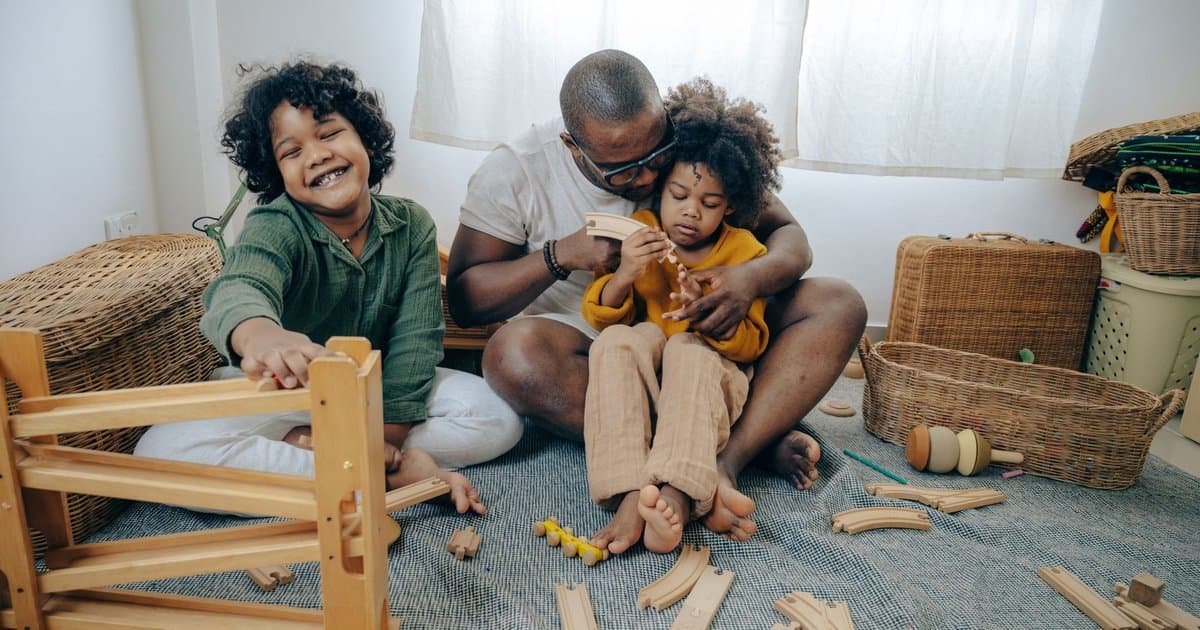
The best Thanksgiving family activities indoors combine hands-on tasks, creative play, and flexible timing. Give kids real jobs in the kitchen, set up a self-serve craft station, and stagger everything in 20-to-30-minute blocks so no single activity has to carry the whole day.
Key Takeaways
- Kitchen tasks and craft stations keep kids engaged for 30+ minutes each.
- Stagger activities in short blocks rather than planning one long event.
- Pair younger kids with older siblings for games and scavenger hunts.
- Accept some mess and keep backup quiet activities ready.
- Screen time as a buffer is realistic, not a failure.
Thanksgiving Family Activities Indoors That Work for Every Age
Simple, low-prep activities are the ones families return to year after year. According to Artful Parent 3, the best Thanksgiving activities for kids combine creativity with connection, not elaborate Pinterest setups. The list below prioritizes activities that occupy multiple ages, require minimal supervision, and use supplies you likely already own. Each one includes a realistic time estimate so you can plan your afternoon without guessing.
Kitchen Helper Projects (Ages 3+)
Involve kids in actual food prep, not token busywork. Children as young as three can wash vegetables, snap green beans, tear lettuce, arrange crackers on a platter, and press cookie cutters into dough. These tasks feel meaningful because they are.
Give each child a step stool and a dedicated workspace, even if it's just a section of counter covered with a towel. Prep your instructions in advance so you're not teaching and cooking at the same time. Write simple task cards ("Wash 10 carrots") for kids who can read, and demonstrate once for younger helpers.
According to Today.com 4, cooking together is one of the most popular Thanksgiving family activities indoors because it gives kids a sense of contribution. Expect 30 minutes of focused engagement from most kids, longer if they're decorating desserts.
Gratitude Craft Station (All Ages)
Set up a rotating craft table where kids write or draw what they're thankful for. Pre-cut leaf shapes from construction paper, set out markers and glue sticks, and tape a bare tree outline to the wall. Kids add their "thankful leaves" throughout the day.
Other options: painted gratitude stones, decorated thank-you cards for grandparents, or a personalized Thanksgiving gratitude book that children can color and fill in. Reading aloud what younger kids dictated extends the activity and gives the whole room a genuine warm moment.
Provide pre-cut shapes to lower frustration for toddlers. If you enjoy seasonal crafts with your kids, you might also bookmark ideas for mothers-day-crafts-for-kids to keep the tradition going year-round. This station typically holds attention for 15 to 20 minutes per rotation.
Scavenger Hunt with a Thanksgiving Twist (Ages 4+)
Create a printed list of things to find around your house, all tied to the holiday: something orange, a cozy blanket, a photo of family, something that smells good, an item you're grateful for. Kids move through the house searching, which burns energy without going outside.
Make it a team activity so younger children have built-in support from older siblings or cousins. Set a timer for 15 minutes and offer a small reward like stickers or first pick of dessert. According to The Bold Abode 1, indoor scavenger hunts are a reliable way to keep kids moving and entertained during holiday gatherings. Adapt your list length to the age group: five items for preschoolers, ten or more for school-age kids.
Tabletop Games and Puzzles Tournament (Ages 5+)
Set up a game station with two or three board games, a deck of cards, or a 100-piece puzzle. Rotate through them or run a casual tournament bracket. Games occupy kids in 20-to-40-minute chunks while building patience and turn-taking skills.
Pair younger kids with older players. Keep snacks at the table so it feels like an event. Card games like Go Fish or Uno work well for mixed ages, and simple counting games can double as number-recognition-activities-kindergarten practice without anyone realizing it. According to L2L Consulting 2, Thanksgiving games build family connection while keeping everyone engaged across generations.
Decorate-Your-Own Dessert Bar (Ages 4+)
Let kids frost cupcakes, decorate sugar cookies, or assemble mini parfait cups with layers of pudding and toppings. Prepare all components ahead of time: baked goods cooled and ready, frosting in squeeze bottles, sprinkles in small bowls.
Use a plastic tablecloth or baking sheet under each workspace to contain the mess. Have wet wipes within reach. Kids stay engaged for 20 to 25 minutes, and they eat something they made, which is a win for picky eaters. This activity works especially well 30 minutes before the meal, since it transitions kids toward the table naturally.
Thanksgiving Storytelling Circle (All Ages)
Gather everyone for one or two short picture books, then go around and let each person share a favorite memory or funny family story from the year. Prompt younger kids with easy questions: "What made you laugh this year?" or "What's your favorite thing we did together?"
This is a zero-setup, screen-free activity that fills 15 to 20 minutes and creates moments families actually remember. Record it on your phone. Kids love listening back to their own voices, and grandparents treasure these recordings. Pick books that are under 10 minutes to read aloud so toddlers stay seated.
DIY Feather Crowns and Paper Headbands (Ages 3+)
Pre-cut cardstock strips to fit children's heads. Set out feathers, stickers, markers, and tape. Kids decorate their own headbands in 10 to 15 minutes and wear them proudly to dinner.
This activity is especially effective for younger children who need something quick and tactile. Have a variety of decorations so every crown looks different. Take photos before dinner. The silliness of wearing homemade headbands often loosens up shy cousins and gets adults laughing too.
Building Challenge with Household Items (Ages 4+)
Hand kids a pile of couch cushions, blankets, cardboard boxes, and pillows. Challenge them to build the tallest tower, the coziest fort, or a "turkey house." Open-ended play like this typically occupies kids for 30 to 40 minutes with no adult direction needed.
Set loose rules so creativity isn't limited. Join in if kids invite you. Adult participation extends engagement time significantly, and a blanket fort makes a perfect quiet zone later when energy crashes.
Strategic Timing for Indoor Thanksgiving Activities
Save hands-on crafts and games for mid-afternoon (roughly 12 to 3 p.m.) when energy peaks. Kitchen projects work best one to two hours before serious cooking starts. Storytelling and low-key activities fill that final restless hour before the meal.
Stagger activities so nothing collides with your cooking timeline. Start with quieter options if kids arrive overstimulated from travel. Be flexible: if something is working, let it run longer than planned.
Backup Quiet Activities for Energy Crashes
Have coloring pages, audiobooks, or a queued 20-minute TV episode on hold. This is not a parenting failure. Kids cannot sustain eight hours of structured engagement, and neither can you.
Download or print coloring pages the day before. Choose a single episode rather than a full movie so screen time stays contained. A short rest period mid-afternoon often means better behavior at dinner.
Get practical parenting tips delivered weekly
Evidence-based guidance for the moments that matter. No spam, unsubscribe anytime.
Frequently Asked Questions
Keep reading
How to Create a Dog Memorial Book (With Printable Templates)
Create a dog memorial book with photos, stories, and mementos. Learn 5 organizational tips and design ideas for honoring your pet's memory.
8 min read

How to Write a Wedding Speech for Your Aunt and Uncle (With Examples)
Write a heartfelt 3-5 minute wedding speech for your aunt and uncle. Follow this proven structure with character-focused stories and authentic delivery tips.
7 min read

Cat Memorial Book Ideas: Creating a Lasting Tribute
Create a cat memorial book with photos, memories, and keepsakes. Learn 6 meaningful ways to honor your pet and process grief with this personalized tribute.
7 min read
Get weekly parenting tips backed by research
Evidence-based guidance for the moments that matter. No spam, unsubscribe anytime.