What to Say at a Wedding Ceremony as a Guest: A Parent's Practical Guide
Master wedding etiquette with genuine phrases, timing tips, and advice for 15-30 second greetings. Learn what to avoid and how to include your children.

Matt Li
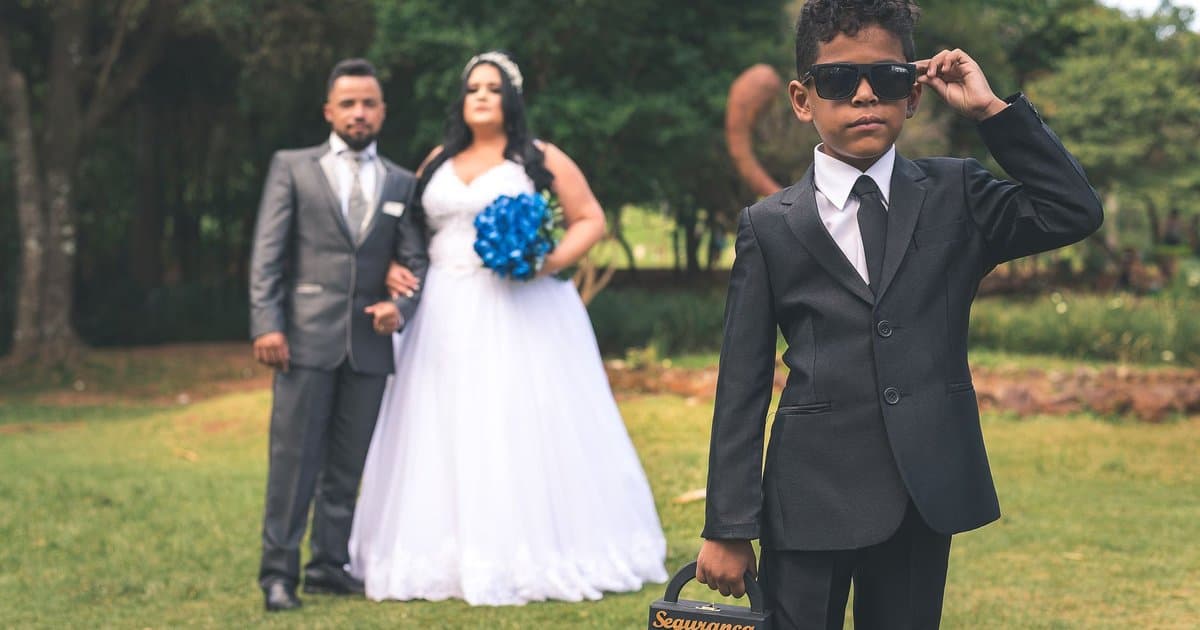
What to Say at a Wedding Ceremony as a Guest: A Parent's Practical Guide
Keep it warm, brief, and genuine. When figuring out what to say at a wedding ceremony as a guest, the simplest phrases work best: "Congratulations, we're so happy to be here" or "You two look incredible." You don't need a rehearsed script. The couple cares that you showed up, not that you delivered a perfect line.
Key Takeaways
- Arrive 15–20 minutes early so greetings feel relaxed, not rushed.
- Short, genuine phrases outperform long or elaborate speeches every time.
- Avoid questions about babies, honeymoons, or past relationships.
- Children can participate with simple coaching before the event.
- A handwritten follow-up note within two weeks leaves a lasting impression.
A Good Short Wedding Message for Any Moment
A good short wedding message names the couple and expresses genuine happiness. Try: "I'm so honored to celebrate with you both today" or "Watching you two together makes my heart full." That's all you need. According to Ceremonies with Lisa 2, the most memorable wedding moments come from sincerity, not length. If you're drawing a blank, compliment something specific you noticed: the flowers, the music, or how happy they look. Specificity signals that you're paying attention, which matters more than eloquence.
For parents bringing kids, coach your child on one simple phrase beforehand. "Congratulations!" from a five-year-old is charming every single time. If your child is old enough, they might add, "You look so pretty" or "That was a cool party." Children don't need polished words. Neither do you.
Before the Ceremony: Greeting the Couple and Their Families
Arrive 15 to 20 minutes early. This buffer gives you time to find your seat, settle your children, and greet people without feeling frantic. If you spot the couple or their parents before the ceremony begins, keep your greeting to two sentences. "We're thrilled to be here. You must be so proud" works beautifully for parents of the couple.
Avoid loaded questions. "When are you having kids?" or "How much did all this cost?" puts people on the spot during an already emotional day. Instead, mention something you genuinely admire: "Your family has always been so welcoming to us." If your child is with you, include them naturally. "Liam has been talking about this all week" brings warmth without requiring your child to perform on cue.
During the Ceremony: Knowing When to Stay Silent
Most ceremonies require silence from guests unless you're specifically invited to respond. According to Brides.com 4, traditional ceremony scripts include moments like congregational blessings or responsive readings where guests participate together. Listen for cues from the officiant.
If you've been asked to do a reading, practice aloud at home several times. Speak slowly, project your voice, and make eye contact with the couple rather than burying your face in the page. She Is the Marrying Lady 1 recommends keeping any guest contribution under three minutes.
For parents managing young children, have a quiet bag ready: crayons, a small snack, a fidget toy. If your child becomes upset, a calm exit to the hallway is always better than a prolonged struggle in the pew. Most parents in the room will understand completely.
The Receiving Line: Genuine Connection in 15 Seconds
Receiving lines move fast. You have roughly 15 to 30 seconds per person, so keep your message to two sentences. "You look so happy. Thank you for including our family" covers everything. Offer a handshake, a hug, or whatever feels natural.
If your child is beside you, prompt them gently beforehand. "When we get to the bride and groom, you can say congratulations." Don't force it if they're shy. A wave or a smile from a small child is plenty. The couple won't remember your exact words. They'll remember that you were there and that you seemed glad about it.
At the Reception: Conversation Starters That Build Connection
Receptions can feel socially overwhelming, especially if you don't know many guests. One reliable opener: "How do you know the couple?" This question invites a story and takes pressure off you. Complimenting something specific also works well: "The venue is gorgeous" or "That first dance song was perfect."
Share a brief, flattering anecdote about the couple if you know them. Keep it under 30 seconds. Avoid gossip, stories about exes, or anything that redirects attention to your own life. If you're solo-parenting at the table, let your kids engage with the reception activities, like dancing, dessert, or coloring stations, while you connect with the adults nearby. Weddings can be wonderful low-stakes practice for children learning how to celebrate others.
Toasts, Speeches, and Meaningful Moments
If you've been asked to give a toast, structure it simply. According to Mountainside Events 3, effective wedding speeches follow a clear arc: acknowledge the room, tell one specific story, make an observation about the couple's relationship, offer a wish, and raise your glass.
Element | Guideline |
|---|---|
Length | 2–3 minutes maximum |
Stories | One brief, flattering anecdote |
Tone | Warm and sincere, not roast-style |
Alcohol | Moderate if you're speaking |
Balance | Mention both partners equally |
Practice your speech aloud at least three times before the wedding. Timing always feels different when you're standing in front of people. If humor comes naturally, use it. But never at anyone's expense.
Including Your Children: Age-Appropriate Coaching
Before the wedding, explain what will happen. For children aged 3 to 6, try: "First we sit quietly and watch, then we get to dance and eat cake." For children 7 to 10, teach a simple greeting and basic table manners. Tweens and teens can be involved more meaningfully, perhaps helping younger cousins or participating in a reading.
All children learn by watching you. If you greet people warmly, express genuine happiness, and treat the event with respect, your kids absorb those social skills. Just as you might prepare a child for other celebrations (similar to thinking through how to celebrate mothers day with young children), a little coaching goes a long way. Some families find that reading a personalized wedding day story together beforehand helps younger children understand what to expect and feel included in the event.
Phrases to Avoid at Every Wedding
Certain comments, even well-intentioned ones, create awkwardness. Skip these entirely:
- "When are you having babies?"
- "She's lucky to have him" (implies an unequal partnership)
- "Marriage is the end of freedom" or any "ball and chain" joke
- Comparisons to your own wedding or a friend's divorce
- References to the couple's past relationships or family conflict
Replace them with simple warmth. "I'm so glad you found each other" or "Today was beautiful" says everything without risk. If something awkward slips out, a quick "Sorry, that came out wrong" followed by moving on is the best recovery.
When You're Nervous or Unsure
Many parents feel anxious at weddings. You're managing your own social energy, your children's behavior, and a setting that can feel formal and unfamiliar. Here's what helps: the couple is focused on each other, not evaluating your performance. Take a breath before approaching them. Remind yourself that a genuine smile communicates more than any perfect phrase could.
If you're preparing a small gift or card, sometimes a thoughtful gesture, like meaningful educator appreciation gifts or last minute mothers day card ideas, inspires the right tone: personal, brief, and heartfelt.
After the Wedding: Follow-Up Notes That Matter
Send a handwritten note within two weeks. Reference a specific moment: "Watching your first dance made our whole table cry" or "Our kids haven't stopped talking about the photo booth." Keep it to three or four sentences. The couple will receive dozens of generic cards. Yours will stand out because it's specific.
If your child did something sweet during the event, mention it. "Sophie told us on the drive home that she wants to marry someone who looks at her the way you look at each other." Details like these become family stories the couple will retell for years.
Frequently Asked Questions
What if I freeze or get emotional when greeting the couple?
Take a breath and say "I'm so happy for you." A warm hug and genuine emotion are more meaningful than perfect words, and the couple is usually emotional too.
Is it okay to bring up the couple's past relationships or challenges?
No. Keep all comments focused on the present celebration and the couple's future together. Save deeper conversations for a private setting another time.
What do I say if I don't know the couple very well?
Try "Congratulations, I'm so glad to celebrate with you today." You can also ask the person beside you how they know the couple, which often starts a great conversation.
How do I handle my child acting out during the ceremony?
Whisper brief reassurance and offer a quiet fidget tool or comfort item. If your child is very distressed, step out to the lobby calmly. Most parents in the room will understand completely.
Should I mention the wedding in a follow-up gift for the couple?
A personalized keepsake that references the wedding day, like a custom book or photo gift, makes a thoughtful gesture. Mention it in your thank-you note so the couple knows it's connected to the celebration.
Sources
- She Is the Marrying Lady. How to Write a Wedding Speech – A Guide for Your Guest Speakers. https://www.sheisthemarryinglady.com/single-post/how-to-write-a-wedding-speech-a-guide-for-your-guest-speakers
- Ceremonies with Lisa. The Only Wedding Ceremony Script You Need. https://www.ceremonieswithlisa.com/wedding-ceremony-script
- Mountainside Events. Wedding Ceremony Scripts for Officiants. https://www.mountainsideevents.com/blog/wedding-ceremony-scripts-for-officiants-tips-ideas
- Brides.com. 8 Sample Wedding Ceremony Scripts. https://www.brides.com/wedding-ceremony-script-5074157
Get practical parenting tips delivered weekly
Evidence-based guidance for the moments that matter. No spam, unsubscribe anytime.
Frequently Asked Questions
Keep reading
How to Create a Dog Memorial Book (With Printable Templates)
Create a dog memorial book with photos, stories, and mementos. Learn 5 organizational tips and design ideas for honoring your pet's memory.
8 min read
How to Write a Wedding Speech for Your Aunt and Uncle (With Examples)
Write a heartfelt 3-5 minute wedding speech for your aunt and uncle. Follow this proven structure with character-focused stories and authentic delivery tips.
7 min read
Cat Memorial Book Ideas: Creating a Lasting Tribute
Create a cat memorial book with photos, memories, and keepsakes. Learn 6 meaningful ways to honor your pet and process grief with this personalized tribute.
7 min read
Get weekly parenting tips backed by research
Evidence-based guidance for the moments that matter. No spam, unsubscribe anytime.