How to Make Field Trips Educational (And Actually Memorable)
Turn field trips into powerful learning experiences with structured objectives, pre-trip prep, guided observation, and debriefing techniques that make learning stick.

Matt Li
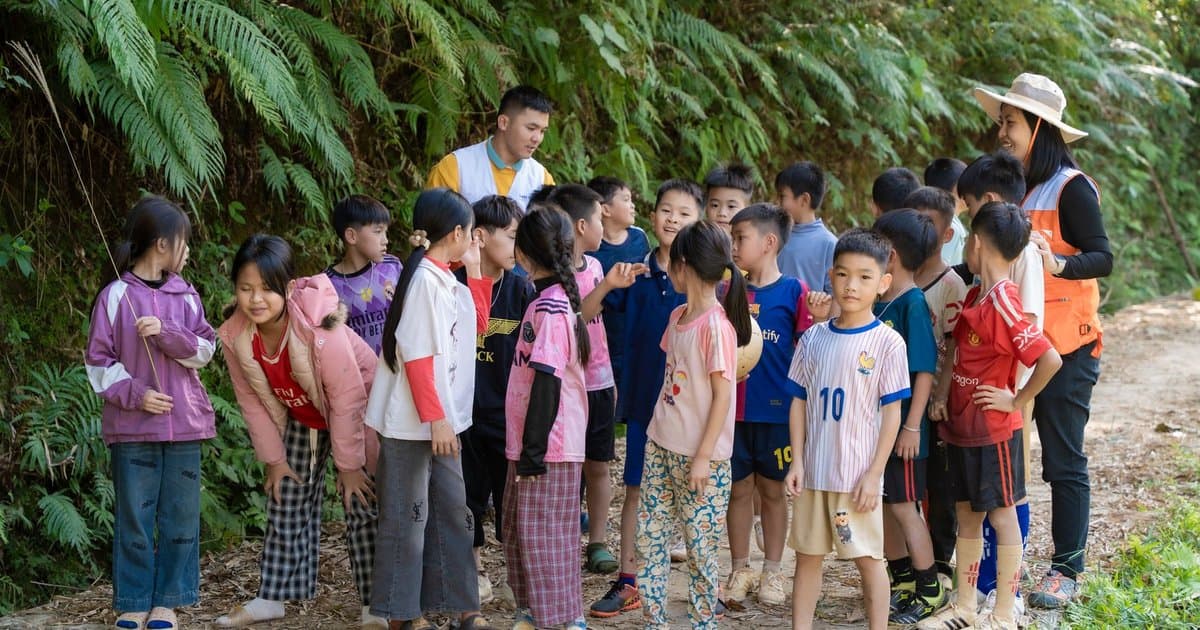
Field trips become educational when you build structured learning around them, not just during the trip, but before and after it. Align every outing to specific curriculum objectives, prepare students with background knowledge, give them guided observation tasks on-site, and debrief within 24 hours. That framework turns a fun day out into lasting, measurable learning.
Key Takeaways
- Clear learning objectives tied to your curriculum are the single most important planning step.
- Pre-trip lessons give students a framework that makes new experiences stick.
- Guided observation tools keep students focused and actively processing information.
- A structured debrief within 24 hours is where real memory consolidation happens.
- Follow-up projects and assessments extend field trip learning across multiple lessons.
Start With Clear Learning Objectives, Not Just Fun
The most common mistake teachers make with field trips is booking the venue first and attaching learning goals later. Flip that sequence. Before you contact the nature center or history museum, write two or three specific outcomes tied to your current unit. "Students will identify three adaptations that help local animals survive winter" is a learning objective. "Students will have fun at the zoo" is not.
According to Zusman (1967) 5, effective field trip planning requires defining educational purposes before logistical details. This principle hasn't changed in decades. Once your objectives are set, share them with students in kid-friendly language. Post them in the classroom. Print them on the observation sheets students will carry. When everyone knows what they're looking for, attention sharpens dramatically.
Plan how you'll assess learning afterward, too. A short knowledge check, a group presentation, or a written reflection all work. The assessment doesn't need to be formal, but it needs to exist.
Design Pre-Trip Activities That Build Context
Students retain more from field trips when they arrive with relevant background knowledge. Spending two or three lessons on vocabulary, key themes, or historical context gives them mental scaffolding to organize what they see. Without that scaffolding, new information washes over students without sticking.
According to Mann (2022) 1, nature-based outdoor learning shows positive effects on children's cognitive development, particularly when paired with structured classroom preparation. The preparation phase is what separates a field trip from a field day.
Practical pre-trip activities include reading related picture books or articles, watching a short documentary clip, and having students generate questions they want answered on-site. A class KWL chart (Know, Want to Know, Learned) works well for grades 2 through 5. For older students, try assigning brief research tasks on specific aspects of the destination. If you're visiting a wildlife reserve, for example, you might connect this to safari themed lesson plans already in your unit to create continuity.
Have students write their top three questions on index cards. They'll carry these on the trip as personal inquiry guides.
Guide Observation During the Experience
Active observation beats passive looking every time. Without structure, students default to socializing, snacking, and zoning out. With the right tools, they become investigators. The key is providing observation sheets, sketch templates, or guided questions that connect directly to your learning objectives.
Dewan (1992) 3 emphasized that using the environment to teach children requires intentional facilitation, not simply exposure. Simply being somewhere interesting doesn't guarantee learning. Tailor your observation tools to grade level. Younger students (K-2) do well with picture-based scavenger hunts and simple checklists. Older students (3-8) can handle data collection sheets, comparison charts, or Venn diagrams completed on-site.
Assign roles within small groups to keep everyone accountable: note-taker, sketcher, questioner, timekeeper. Rotate these roles every 30 minutes on longer trips. Encourage photo documentation when devices are available, but set a rule that every photo needs a written caption explaining its connection to the learning objective. This prevents students from snapping 200 selfies and calling it research.
How to Make Field Trips Educational Through Intentional Debriefing
The learning doesn't peak at the destination. It peaks in the debrief. Within 24 hours of the trip, facilitate a structured reflection that helps students connect what they experienced to what they already know. This step is where memory consolidation actually happens.
Research on experiential learning consistently shows that reflection transforms experience into knowledge. David Kolb's learning cycle, widely used in education, positions reflective observation as the bridge between concrete experience and abstract understanding. Without reflection, field trips remain isolated events rather than integrated learning.
Start with five minutes of silent sketching or journaling. Let students capture their strongest memory before discussion dilutes it. Then move to think-pair-share or small group conversation using pre-written prompts: "What surprised you?" "How does this connect to what we studied last week?" "What would you want to learn more about?"
Build a class anchor chart capturing new vocabulary, surprising facts, and unanswered questions. This becomes a reference point for follow-up lessons.
Build Follow-Up Lessons Into Your Unit Plan
One field trip doesn't create mastery. Plan two or three follow-up lessons that apply or deepen what students experienced. Writing, art, science experiments, or research projects all work, depending on the subject and grade level.
According to Pazoto (2023) 2, students who participated in structured educational programs, including field visits with follow-up activities, demonstrated meaningful gains in ocean literacy. The follow-up component was essential to those results. A single exposure without reinforcement fades quickly.
For younger students, consider collaborative projects like a class book documenting the trip. Some teachers find that creating a personalized class field trip book helps students revisit their experience and solidify key vocabulary through a story format they can read again. Older students might write comparative essays, build models, or prepare presentations for another class.
Connect the trip to upcoming units whenever possible. If a December field trip to a local theater connects to narrative writing, carry that momentum into Christmas creative writing activities the following week. These cross-curricular links show students that learning doesn't happen in isolated boxes.
When This Approach Actually Works (And When It Falls Flat)
Structured field trip learning works best with small groups, clear roles, and a curriculum connection established weeks in advance. It struggles when groups are too large, staff ratios are stretched thin, or the trip was booked as a reward rather than an instructional experience.
Walker-Bolton et al. (2024) 4 found that arts-based analysis of conservation field trips helped young people process complex concepts more deeply. Smaller group sizes and focused facilitation made the difference. Large, chaotic groups with minimal adult support produced weaker outcomes.
If you're working with limited chaperones, assign each adult a specific group and a printed list of observation prompts to guide their students. Brief chaperones beforehand. Ten minutes of preparation with parent volunteers dramatically improves on-site learning. For younger students (K-2), keep trips to two hours maximum. Overstimulation and fatigue undermine even the best-planned experience. Grades 3 through 8 can handle three to four hours with built-in movement breaks and snack time.
If your school has tight budgets, virtual field trips, including museum online tours and nature webcams, can deliver strong results when you apply the same pre-trip, observation, and debrief structure. The pedagogy matters more than the destination.
Measuring Whether the Learning Actually Stuck
Assessment doesn't need to mean a test. Compare pre-trip and post-trip knowledge through quick writes, vocabulary checks, or class discussions. Listen for students spontaneously referencing the field trip in later lessons. That kind of transfer, applying field trip knowledge to new contexts, is the strongest indicator of deep learning.
For a simple approach, give students a three-question exit ticket the day after the trip: "Name one new thing you learned." "How does it connect to our unit?" "What question do you still have?" Compare these responses to the KWL chart you started before the trip.
Teachers who track personalized books for classroom engagement and other literacy-based follow-up tools often notice that students who write or read about their experience retain more than those who only discuss it. Multimodal processing strengthens memory, so combine talking, writing, sketching, and reading whenever you can.
Keep a simple spreadsheet or checklist for yourself, too. After each trip, note what worked, what flopped, and what you'd change. This running record makes every future field trip more effective than the last.
Get practical parenting tips delivered weekly
Evidence-based guidance for the moments that matter. No spam, unsubscribe anytime.
Frequently Asked Questions
Keep reading
How to Create a Dog Memorial Book (With Printable Templates)
Create a dog memorial book with photos, stories, and mementos. Learn 5 organizational tips and design ideas for honoring your pet's memory.
8 min read
How to Write a Wedding Speech for Your Aunt and Uncle (With Examples)
Write a heartfelt 3-5 minute wedding speech for your aunt and uncle. Follow this proven structure with character-focused stories and authentic delivery tips.
7 min read
Cat Memorial Book Ideas: Creating a Lasting Tribute
Create a cat memorial book with photos, memories, and keepsakes. Learn 6 meaningful ways to honor your pet and process grief with this personalized tribute.
7 min read
Get weekly parenting tips backed by research
Evidence-based guidance for the moments that matter. No spam, unsubscribe anytime.