Potty Training Girls in Preschool: What Actually Works
Learn how to potty train girls in preschool. Most girls show readiness between 24-36 months. Expert tips for timing, routines, and managing accidents.

Matt Li
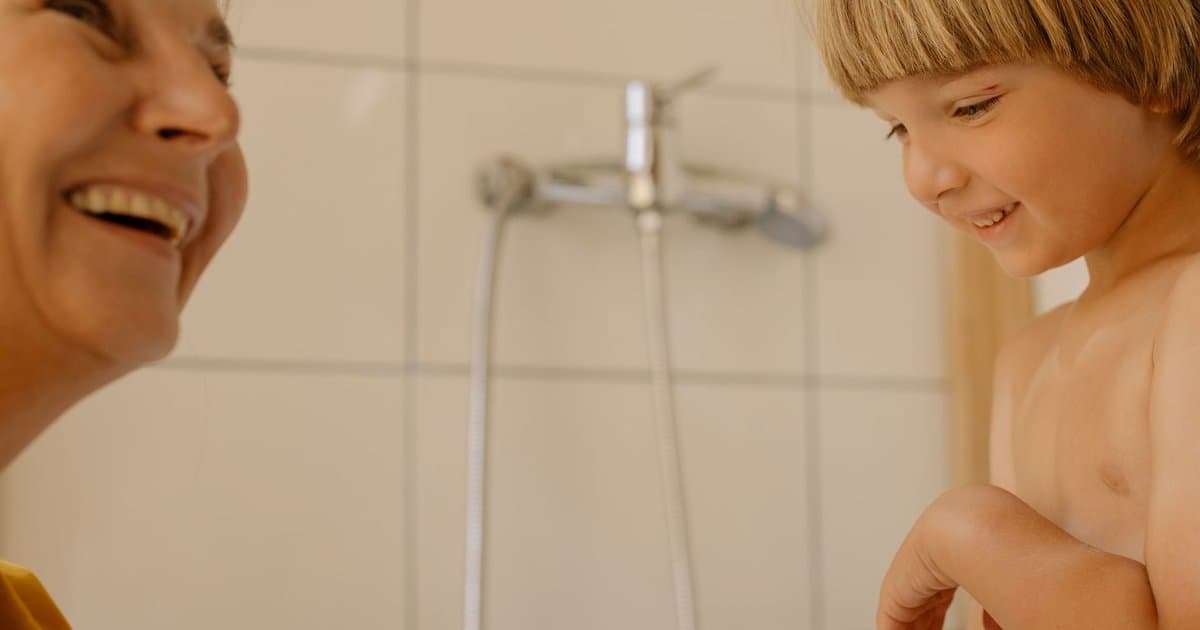
Potty training girls in preschool works best when you start at home during a calm period, watch for genuine readiness signs (dry diapers for two or more hours, interest in the toilet, communicating the need to go), and coordinate closely with your daughter's preschool teachers. Most girls show readiness between 24 and 36 months, but according to Schum et al. (2002) 4, the sequence in which children acquire toileting skills varies by gender, and girls tend to reach several milestones earlier than boys. Pushing before your daughter is ready almost always backfires.
Key Takeaways
- Girls typically show potty training readiness between 24 and 36 months.
- Start training 2 to 3 months before preschool for the smoothest transition.
- Accidents during preschool adjustment are developmentally normal, not regression.
- Calm, consistent responses to accidents matter more than any reward system.
- Painful constipation should be treated before intensifying any training effort.
Recognizing Readiness Signs in Girls
Readiness is not about age on a calendar. It is about a cluster of physical, verbal, and social signals arriving together. According to Wyndaele (2020) 3, developmental signs in healthy toddlers can help define both readiness and probability of success, with no single marker being sufficient on its own.
Physical signs include staying dry for two or more hours, predictable bowel movements, and the motor skills to pull pants up and down. Communication signs look like telling you she needs to go, using a word or sign for "pee" or "poop," or retreating to a corner to do her business privately. Social awareness matters too. Some girls become fascinated by watching older siblings or peers use the toilet. In my classroom, the girls who trained most smoothly were almost always the ones who had shown genuine curiosity first, not the ones whose parents had set a deadline.
If your daughter can follow a two-step instruction ("Pull down your pants, then sit on the potty"), that is a strong readiness indicator. If she resists, wait a few weeks and try again.
Timing Potty Training for Preschool Entry
Ideally, begin potty training two to three months before preschool starts. This gives your daughter time to build confidence before she faces a new environment, new adults, and an unfamiliar bathroom.
According to Kimball (2016) 1, rushing toilet training before a child is ready increases the risk of constipation, withholding behaviors, and prolonged accidents. If your daughter is not showing readiness signs, starting after she has settled into preschool (roughly four to six weeks in) often goes more smoothly than cramming training into the weeks before school begins. Children who already feel secure at school are better able to handle the extra challenge.
Avoid starting during major life changes: a new sibling, a house move, or a period of family stress. These transitions already tax a young child's ability to cope. Layering potty training on top creates unnecessary pressure. If you are also managing first day of preschool anxiety, give your daughter time to adjust to school first.
Building a Comfortable Bathroom Routine at Home
A low-pressure home routine is the foundation of potty training girls in preschool. You need three physical tools: a child-sized potty or seat reducer, a sturdy step stool, and easy-to-manage clothing (elastic waistbands, no overalls, no snaps she cannot undo herself).
Offer bathroom visits at natural transition points. After meals, before bath, and before bed are the three easiest anchors. Do not ask "Do you need to go?" every 15 minutes. Instead, build it into the routine: "We eat lunch, then we sit on the potty." This is one of those things I teach explicitly in my classroom. We practise it the way we practise lining up. We walk to the bathroom, pull down pants, sit, try, wipe, flush, wash hands, and go back to what we were doing. We do it over and over until it is automatic.
Let your daughter personalize the experience. She can pick a hand towel, choose a step stool color, or put a small basket of books beside the potty. Celebrate successes casually: "You noticed your body needed to go. That's a big skill." Avoid extravagant praise that makes accidents feel like failures by comparison.
Consistency across caregivers matters enormously. Grandparents, babysitters, and partners all need to use the same language, the same routine, and the same calm tone. According to Van Aggelpoel et al. (2018) 2, parents' views on toilet training vary widely, and conflicting approaches between caregivers can confuse children and slow progress.
Communicating With Preschool Teachers About Potty Training
Your daughter's teacher is your partner, not her trainer. Preschool staff support bathroom access and celebrate successes, but parents lead the process at home.
Before school starts, share a short written summary with your daughter's teacher. Include her readiness level, typical accident patterns, words she uses for bathroom needs, and any fears (flushing sounds, hand dryers, large toilet seats). This kind of preschool communication with parents helps teachers respond to your child the way she needs, not with a one-size-fits-all script.
Ask the teacher practical questions: How often do children get bathroom breaks? Is the bathroom in the classroom or down the hall? Can she ask to go at any time, or only during scheduled breaks? These details matter because a girl who is trained at home in a familiar, accessible bathroom may freeze in a large, echoey school restroom.
Pack a clear bag of extra clothes, underwear, socks, and a plastic bag for wet items. Label everything. When an accident happens at school, you want the cleanup to be quick and calm, not a frantic search for dry pants.
Managing Accidents and Regressions Confidently
Accidents will happen. They are part of learning, not evidence of failure. Many preschool teachers report that accidents peak during the first four to eight weeks of school, then taper as children settle into the routine.
Your response to accidents teaches your daughter more than the accident itself. Keep your voice neutral: "Your pants got wet. Let's change and try again next time." Avoid words like "yucky," "gross," or "bad." Avoid sighing, eye-rolling, or any body language that communicates frustration. A child mid-accident has a nervous system that is already overwhelmed. Piling shame on top makes the next attempt harder, not easier.
Regressions often appear during stress, illness, or new developmental leaps. According to Schum et al. (2002) 4, the acquisition of toileting skills is sequential, and children sometimes lose a recently acquired skill temporarily before consolidating it. This is normal.
Night dryness is a separate process from daytime training. Pediatric experts widely agree that nighttime accidents can continue until age five or even later without indicating a problem. Do not pressure nighttime dryness during the preschool transition.
If you notice patterns (accidents always happen at 2 p.m., or always after a certain food), adjust the routine rather than judging progress. Track the data and share it with her teacher.
Approaches and Tools Worth Comparing
Parents often wonder which potty training method fits best. A brief comparison can help you decide. For a deeper look, see our potty training methods comparison.
Approach | Best For | Time Investment | Risk of Pressure |
|---|---|---|---|
Child-led (Brazelton model) | Cautious or anxious girls | Weeks to months | Low |
Intensive weekend ("3-day") | Girls showing strong readiness | 3 days, then ongoing | Moderate to high |
Gradual scheduling | Girls in structured routines | 4 to 8 weeks | Low |
Peer-modeled (preschool support) | Socially motivated girls | Ongoing at school | Low |
No single method works for every child. I didn't anticipate potty training to be as hard as it turned out with Nora. Her preschool started the process, and I felt lost supporting it at home. We had so many questions about sequencing, timing, and what language to use that I ended up turning to every resource I could find to feel confident in our approach. The thing that helped most was committing to one consistent method instead of switching tactics every few days.
Some families find that reading a personalized story about using the potty, like a personalized potty training book, helps because a child can see herself navigating the bathroom routine successfully. Pair this with real-life practice, not as a replacement for it.
When to Pause or Seek Professional Advice
Pause training if your daughter shows fear or pain during toileting, avoids the bathroom entirely, or has worsening accidents after months of steady progress. Kimball (2016) 1 notes that painful constipation is one of the most common, and most treatable, barriers to successful toilet training. If your daughter is straining, holding bowel movements, or crying during them, address the constipation with your pediatrician before resuming any training effort.
If she is three and a half or older with no interest in the toilet, mention it at her well-child visit, but avoid turning it into a battle. Some girls simply need more time. A break of a few weeks is not failure. Restarting later, when she is more mature and more motivated, often leads to quicker success than pushing through resistance.
Watch for signs of anxiety around the bathroom: refusing to enter, crying at the sound of flushing, or holding urine for long stretches. These patterns benefit from professional guidance, not more practice.
Get practical parenting tips delivered weekly
Evidence-based guidance for the moments that matter. No spam, unsubscribe anytime.
Frequently Asked Questions
Keep reading
How to Create a Dog Memorial Book (With Printable Templates)
Create a dog memorial book with photos, stories, and mementos. Learn 5 organizational tips and design ideas for honoring your pet's memory.
8 min read

How to Write a Wedding Speech for Your Aunt and Uncle (With Examples)
Write a heartfelt 3-5 minute wedding speech for your aunt and uncle. Follow this proven structure with character-focused stories and authentic delivery tips.
7 min read

Cat Memorial Book Ideas: Creating a Lasting Tribute
Create a cat memorial book with photos, memories, and keepsakes. Learn 6 meaningful ways to honor your pet and process grief with this personalized tribute.
7 min read
Get weekly parenting tips backed by research
Evidence-based guidance for the moments that matter. No spam, unsubscribe anytime.