Teaching Children About Endangered Species: A Practical Guide
Learn age-appropriate ways to teach children about endangered species, build empathy, and inspire conservation action without causing eco-anxiety.
Erika Wong
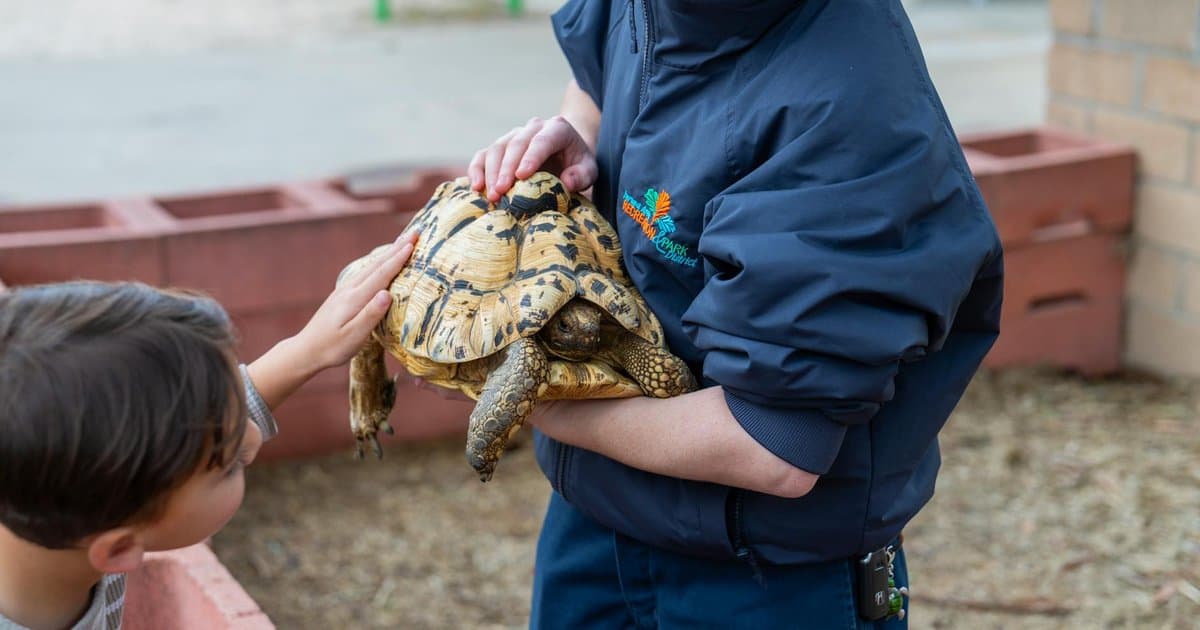
Start with one animal, one story, and one reason to care. Teaching children about endangered species works best when you pair honest, age-appropriate facts with concrete actions kids can take, so they feel empowered rather than overwhelmed. The goal is building genuine understanding of why species disappear and what people are already doing to help.
Key Takeaways
- Match endangered species content to your child's developmental stage to avoid eco-anxiety.
- Always pair a conservation problem with a real-world solution or success story.
- Hands-on projects and narrative-based learning create deeper, longer-lasting understanding.
- Children as young as five can grasp simple cause-and-effect explanations about habitat loss.
- Highlight species recovery stories like the California condor to build hope and agency.
Why Understanding Endangered Species Matters for Children
When children learn that their choices affect real animals, something shifts. They begin thinking critically about cause and effect in ecosystems, a skill that transfers well beyond science class. According to Chawla (2020) 1, childhood experiences with nature are among the strongest predictors of adult environmental behavior.
Teaching children about endangered species also builds empathy for living things beyond their immediate world. A child who learns about snow leopards in Central Asia starts seeing connections between distant ecosystems and daily life. This isn't abstract thinking for the sake of it. It encourages genuine questions about human impact on wildlife.
Perhaps most importantly, conservation education builds confidence. Children who participate in even small actions, like reducing plastic use or monitoring local birds, develop a sense of agency. According to the North American Association for Environmental Education (NAAEE) 2, student-led environmental projects improve both content knowledge and self-efficacy.
Age-Appropriate Ways to Introduce Endangered Species
Children aged five to seven respond best to story-based learning centered on a single animal. Keep explanations simple and concrete: "Sea turtles are running out of safe beaches to lay their eggs because people are building there." Pair each problem with something positive, like a beach cleanup or a turtle rescue center. At this age, personal connection matters more than data.
Between ages eight and ten, children can handle more complexity. Introduce habitat loss, overhunting, and real conservation successes. This is a great age for research projects where kids investigate one species in depth. They can grasp that the Arabian oryx was once nearly extinct but has been reintroduced to the wild thanks to breeding programs.
Children aged ten to twelve are ready to explore ecosystem interdependence and climate change. They can evaluate sources, discuss policy, and design advocacy campaigns. According to NAEYC 3, older elementary students benefit from inquiry-based learning that lets them pose questions and investigate answers independently.
Using Stories and Books to Build Engagement
Narrative does something facts alone cannot. When a child follows a character through a story about a pangolin's journey or a polar bear's shrinking ice, they form emotional bonds with that animal. Research published in Reading Research Quarterly by Mar and Oatley (2008) 4 shows that narrative fiction increases empathy and perspective-taking in readers of all ages.
Books allow you to introduce conservation concepts gradually, without overwhelming children with statistics. A story about a young orangutan losing its forest home teaches habitat destruction more effectively than a chart. The vocabulary builds naturally within a meaningful context, and children retain information longer when it arrives through narrative.
For younger readers, picture books featuring endangered animals work especially well. Older children might enjoy chapter books or graphic novels that weave conservation themes into adventure plots. Much like using social stories for teaching kids to make friends, stories about animals give children a framework for understanding complex situations through relatable characters.
Interactive Classroom and Home Activities
Hands-on projects transform endangered species learning from passive to active. One effective approach is assigning research pairs. Each pair investigates one endangered animal, covering its habitat, threats, and conservation status, then teaches the class. Younger kids can draw their animal and share three facts. Older students can create short presentations with cited sources.
Habitat dioramas offer another powerful activity. Have children build two versions of an animal's habitat: one healthy, one degraded. The visual comparison makes abstract concepts like deforestation or pollution tangible. According to the National Wildlife Federation, hands-on nature activities improve children's observation skills and environmental literacy.
Citizen science platforms like iNaturalist let families and classrooms contribute real data to conservation research. Children photograph local plants and animals, upload observations, and help scientists track biodiversity. This bridges the gap between classroom learning and real-world impact. Documentary screenings work well too, especially BBC's Planet Earth series, which features stunning footage narrated calmly by David Attenborough.
Building Empathy Without Causing Eco-Anxiety
This is the section many parents and teachers need most. Children can become overwhelmed when they learn that animals are disappearing. The key distinction is between healthy concern, which motivates action, and eco-anxiety, which creates helplessness.
Always pair a problem with a solution children can understand. Instead of stopping at "rhinos are being poached," continue with "rangers in Kenya protect rhinos every day, and their numbers are growing in some parks." Highlight recovery stories. The black-footed ferret was declared extinct in the wild in 1987 but has been successfully reintroduced through captive breeding programs. The California condor population grew from 27 birds to over 500 thanks to decades of dedicated conservation work.
Emphasize that many people around the world, including scientists, park rangers, veterinarians, and kids, are working on these problems right now. Connect to local efforts whenever possible. A family can visit a nearby nature reserve, volunteer for a stream cleanup, or plant native species in their yard.
Connecting Endangered Species Learning to Everyday Choices
The most meaningful learning happens when children see how daily life connects to wildlife protection. Concrete examples work best. Explain that palm oil, found in many snacks and soaps, comes from plantations that sometimes replace orangutan habitat. Show them how to look for certified sustainable palm oil on packaging.
Discuss how reducing plastic waste helps ocean animals. According to the World Wildlife Fund (WWF), over eight million tons of plastic enter the ocean annually, affecting marine species from sea turtles to whales. Children can take specific actions: carrying reusable water bottles, refusing plastic straws, and picking up litter near waterways.
Talk about conservation careers too. Zookeepers, marine biologists, wildlife photographers, and park rangers all contribute to species protection. Knowing that real people do this work as their job makes conservation feel achievable rather than abstract. Encourage children to observe and protect local wildlife, from backyard birds to pollinators. Conservation starts close to home.
Creating Classroom or Family Projects Around Conservation
Long-term projects deepen understanding far beyond a single lesson. Adopt-a-species programs through organizations like WWF let classrooms or families "adopt" an endangered animal, receive updates about conservation efforts, and follow the species over time. This creates ongoing engagement rather than a one-off activity.
Classroom fundraising for a specific conservation project teaches children that their collective effort creates tangible impact. Even small amounts matter. A class that raises $50 for a sea turtle nesting program learns about goal-setting, teamwork, and the economics of conservation simultaneously.
Awareness campaigns offer another strong option. Older students can design posters, write announcements, or create short videos about endangered species for their school community. The act of teaching others reinforces their own learning. For families, consider participating in local habitat restoration projects, like planting native trees or removing invasive species. Children see the immediate, visible difference their work makes, which builds commitment that lasts well beyond the project itself.
Deepening Connection Through Personalized Learning
Children engage more deeply when they see themselves inside the learning experience. This applies across subjects, but it's especially powerful for conservation education. When a child reads a story where they are the one exploring a savanna or meeting endangered animals, the experience becomes personal and memorable.
Some parents find that reading a personalized story about wildlife adventures helps because children see themselves navigating real environments alongside real animals. A personalized safari animal adventure can complement factual learning by creating emotional resonance with species a child might never encounter in person. This pairs well with the research and project-based approaches described above.
The same principle applies to custom storybooks to engage children on topics from social skills to science. Narrative context helps children retain factual information longer, and personalized books that help children learn can spark curiosity that leads to deeper independent exploration.
When This Learning Becomes Eco-Anxiety or Overwhelm
Watch for signs that environmental content is causing excessive worry. These include sleep disruption, catastrophizing ("everything is dying"), withdrawal from outdoor activities, or repeatedly expressing hopelessness about the future. Eco-anxiety is a recognized concern among child psychologists, and it doesn't mean your teaching went wrong.
If you notice these signs, slow down the heavy content. Refocus on positive experiences in nature, like birdwatching, hiking, or gardening. Emphasize what people are accomplishing, not just what's going wrong. Limit exposure to disaster-focused media and choose solution-oriented content instead.
Balance is everything. A child who spends time enjoying nature, not just worrying about it, develops a healthier relationship with the environment. If anxiety persists or interferes with daily functioning, consider speaking with a pediatrician or child psychologist. Eco-anxiety is treatable, and addressing it early prevents it from becoming entrenched.
Resources for Teaching Endangered Species Effectively
Quality resources save preparation time and prevent misinformation. For documentaries, BBC's Planet Earth, Life, and Our Planet series offer visually stunning footage with minimal graphic content suitable for younger viewers. Always preview episodes before showing them to children.
Organizations like WWF, The Nature Conservancy, and the National Wildlife Federation provide free lesson plans, fact sheets, and activity guides designed for classroom use. Many include printable materials and discussion prompts aligned with educational standards.
For citizen science, iNaturalist and eBird allow families and classrooms to contribute real biodiversity data. These platforms teach observation skills while connecting children to a global community of naturalists. Local wildlife centers and zoos often run educational programs specifically focused on endangered species, providing expert-guided experiences that reinforce what children learn at home or in school.
Get practical parenting tips delivered weekly
Evidence-based guidance for the moments that matter. No spam, unsubscribe anytime.
Frequently Asked Questions
Keep reading

Supporting Siblings During NICU Stay: What Parents Need to Know
Help siblings cope with NICU stress through honest explanations, routines, and connection activities. Most behavioral changes resolve within weeks of discharge.
10 min read
Teaching Empathy Through Children's Stories: A Practical Guide
Learn how to teach empathy through children's stories with practical techniques. Research shows kids develop stronger peer relationships with regular diverse
10 min read

How to Motivate Students on Classroom Behavior (Strategies That Work)
Master 8 proven strategies to motivate students on classroom behavior. Learn why specific praise and consistency outperform rewards, plus tools that work.
9 min read
Get weekly parenting tips backed by research
Evidence-based guidance for the moments that matter. No spam, unsubscribe anytime.