Brave Activities for Kids in the Classroom: Build Confidence Today
Learn 7 evidence-based brave activities for kids that build classroom confidence safely. Includes speak-up circles, courage boards, and role-play strategies.
Erika Wong
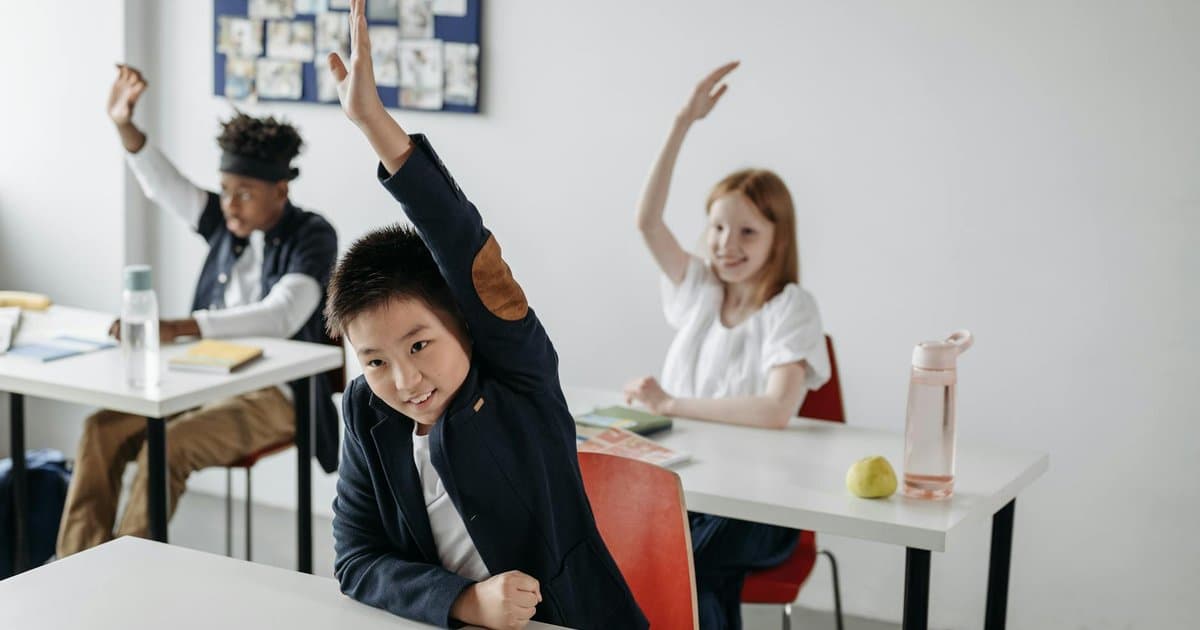
Structured, low-pressure brave activities for kids in the classroom help anxious students practice courage in a safe environment. When children experience small wins (speaking up, trying something new, asking for help), their nervous system learns that bravery feels manageable, not terrifying. The most effective activities are repeated often, framed as "trying something new" rather than "being brave," and modeled enthusiastically by the teacher.
Key Takeaways
- Daily micro-practices build more courage than occasional big bravery lessons.
- Celebrating attempts, not just successes, rewires how kids think about fear.
- Teacher modeling and enthusiasm matter more than the specific activity chosen.
- Anxious kids benefit from scaffolded participation: observe first, then join gradually.
- Persistent avoidance, physical distress, or school refusal signals clinical anxiety needing professional support.
The Courage-Building Power of Classroom Activities
Most children experience some nervousness in social settings. According to the National Association for the Education of Young Children (NAEYC), social-emotional learning is most effective when embedded in everyday classroom routines rather than treated as a separate curriculum 1. That means a five-minute daily practice often outperforms a single 45-minute "bravery workshop."
The key is framing. Research from Cain and colleagues (2021) found that children respond better when activities are described as "trying something new" rather than "being brave," because the word "brave" can imply there's something to fear 2. Teacher enthusiasm is also critical. When you model vulnerability openly ("I was nervous about this too, but I tried it"), you normalize the feeling instead of treating it as a problem.
Repetition matters. One round of a confidence activity won't reshape how a child handles fear. But daily or weekly practice, over months, creates genuine change.
Speak-Up Circle: Safe Voice-Building Practice
Sit students in a circle. Give each child a turn to share one sentence on a low-stakes topic: favorite animal, a silly word, what they ate for breakfast. Use a talking piece (a stuffed animal, a small stone) so turns are clear and predictable. This structure reduces the "when will they call on me?" anxiety that many shy children describe.
Start with pre-planned, easy topics rather than open-ended prompts. "Tell us your favorite color" is much easier than "share something interesting about yourself." For students who are non-verbal or selectively mute, offer alternatives: draw their answer and hold it up, whisper to a neighbor who shares on their behalf, or simply hold the talking piece and pass it when ready.
According to Buhs and Ladd (2001), children who are consistently excluded from peer interaction show declining classroom participation over time 3. Speak-Up Circle counteracts this by guaranteeing every child a moment of being heard. Five minutes daily is enough.
The Courage Challenge Board
Post a bulletin board near the classroom door with simple, achievable challenges written on cards: "Ask a friend to play," "Raise your hand once today," "Try the new food at snack," "Read one sentence aloud." Students pick a challenge, attempt it, and earn a checkmark or sticker for trying, regardless of the outcome.
The critical distinction here is celebrating the attempt. A child who raises their hand but gives a wrong answer still earns recognition. A child who asks someone to play and gets turned down still completed the challenge. This reframes failure as practice rather than proof of inadequacy.
Rotate challenges weekly to maintain novelty. Let students suggest new ones. For younger learners (K–1), keep challenges picture-based. For older students (grades 2–4), add complexity: "Give someone a compliment they don't expect" or "Volunteer to go first." Some teachers find that pairing the board with social stories for teaching kids to make friends helps children visualize what success looks like before attempting a challenge.
Role-Play Social Scenarios (Including What Goes Wrong)
Act out everyday situations: joining a game at recess, asking the teacher a question, admitting a mistake, saying no to peer pressure. The twist that makes this activity effective is including imperfect endings. What happens if the friend says no? What if you ask a question and someone laughs?
By practicing the "worst case," children desensitize to the anxiety surrounding it. Keep tone light and funny. Kids learn through laughter, not lectures. Rotate who plays the brave character and who plays the anxious one so all perspectives are visible.
The Collaborative for Academic, Social, and Emotional Learning (CASEL) identifies responsible decision-making and relationship skills as two of five core SEL competencies 4. Role-play directly strengthens both. For grades 2–4, you can extend scenarios into short skits that groups write and perform together, building both courage and collaboration.
Brave-Buddy Partnerships
Pair an anxious child with a confident peer for low-stakes tasks: presenting to the class together, trying a new game at recess, or being first in line for something unfamiliar. The confident buddy normalizes the activity. The anxious child feels supported without being singled out.
A few guardrails keep this effective. Rotate partnerships regularly so no child becomes a permanent "helper" or "helped." Frame it as teamwork, not caretaking. "You two are a team this week" works better than "Can you help Mia feel less scared?" Pair across confidence levels intentionally, but quietly.
One common pattern is that anxious children observe their buddy's ease and gradually adopt similar behavior. Pediatric psychologists sometimes call this "social referencing," where children look to trusted peers to gauge whether a situation is safe. It works naturally when partnerships feel collaborative rather than therapeutic.
Growth Mindset Storytelling: Real Failure Stories
Share short true stories about people who tried, failed publicly, and kept going. Athletes who missed the winning shot. Inventors whose first 50 attempts flopped. Your own experience of trying something scary and fumbling through it. Follow each story with two questions: "What did they do next?" and "How do you think they felt?"
According to Dweck (2006), children who hear stories emphasizing effort over talent develop a growth mindset, which correlates with greater willingness to take risks in learning 5. The emphasis should land on the process of continuing, not on the eventual success.
Connect stories to students' own lives. After sharing how an astronaut felt nervous before her first mission, ask: "When have you felt nervous about trying something?" This bridges the gap between admiring courage in others and recognizing it in themselves. For teachers looking for end-of-year celebration ideas that reinforce this theme, DIY handmade teacher gifts kids can create can double as a reflection activity where students decorate cards describing a brave moment from the year.
Brave Breaths and Body Awareness
Teach simple breathing and grounding techniques so kids have tools when anxiety spikes. Five-finger breathing (trace each finger while breathing in and out), box breathing (inhale for 4, hold for 4, exhale for 4, hold for 4), and "name five things you see" are all effective and age-appropriate.
Practice these during calm moments. If you introduce a breathing technique for the first time during a meltdown, it won't work. The child is already flooded. But if you practice box breathing every morning for two weeks, that same child can reach for it when anxiety rises during a brave activity.
Normalize the tools publicly. Say "I'm going to take three slow breaths before we start" and do it yourself. For anxious kids who struggle with stillness, combine breathing with movement: stretch arms overhead, shake hands out, walk slowly around the room. Research suggests that pairing breath work with physical movement lowers cortisol more effectively than breathing alone in young children, a finding supported by work from Mendelson and colleagues (2010) 6.
Permission Slips for Brave Attempts
Give kids small cards that read: "I tried something brave today, even if it didn't work perfectly." They fill in what they tried, take the card home, and receive parent celebration. Not judgment, not interrogation. Celebration.
This home-school connection reinforces that bravery is noticed and valued beyond the classroom. Make the slips optional so anxious kids don't feel forced to share. Send home blank slips for parents to use at home too, creating a shared vocabulary around courage.
The emphasis on "attempt" over "success" is deliberate. A child who writes "I raised my hand but then put it down" still gets the slip. The goal is to make trying feel rewarding, which over time makes trying feel less frightening. Some parents find that reading a personalized story about bravery at home reinforces these classroom conversations, because children see a character with their own name navigating similar fears.
When This Isn't Enough: Recognizing Anxiety Beyond Normal Classroom Shyness
Most shy kids thrive with the activities described above. They warm up over time, participate with encouragement, and gradually expand their comfort zone. But some children show patterns that signal something beyond typical shyness.
Watch for these red flags: a child who refuses to speak in certain settings for weeks (possible selective mutism), physical symptoms like stomach pain or freezing before participation, persistent school refusal, or complete avoidance despite a safe, supportive setup. The American Academy of Pediatrics recommends screening for anxiety disorders when symptoms persist for six months or more and interfere with daily functioning.
If you notice these signs, involve parents and the school counselor. Your role as a teacher is to provide support, not treatment. Classroom brave activities are a complement to professional intervention, not a replacement for it. Document what you observe (dates, specific behaviors, triggers) so you can share concrete information with the support team.
Adapting Brave Activities for Kids by Age and Anxiety Level
For kindergarten and first grade, keep activities short (5 minutes or less), movement-based, and simple. "Raise your hand once today" is a reasonable courage challenge. Speak-Up Circle works well with picture prompts and a plush talking piece.
For grades 2 through 4, students can handle longer storytelling discussions, more complex role-play scenarios, and peer partnerships with greater independence. Courage challenges can include social risks like "introduce yourself to someone in another class."
For highly anxious children at any age, scaffold participation in stages. Start with observation: "You can watch today." Move to one-on-one practice with the teacher. Then small group. Then full class. Forcing a terrified child into full participation backfires and creates negative associations that are harder to undo than the original anxiety. Check in individually with these students, because group activities often mask kids who need personal attention.
Get practical parenting tips delivered weekly
Evidence-based guidance for the moments that matter. No spam, unsubscribe anytime.
Frequently Asked Questions
Keep reading
Supporting Siblings During NICU Stay: What Parents Need to Know
Help siblings cope with NICU stress through honest explanations, routines, and connection activities. Most behavioral changes resolve within weeks of discharge.
10 min read
Teaching Empathy Through Children's Stories: A Practical Guide
Learn how to teach empathy through children's stories with practical techniques. Research shows kids develop stronger peer relationships with regular diverse
10 min read

How to Motivate Students on Classroom Behavior (Strategies That Work)
Master 8 proven strategies to motivate students on classroom behavior. Learn why specific praise and consistency outperform rewards, plus tools that work.
9 min read
Get weekly parenting tips backed by research
Evidence-based guidance for the moments that matter. No spam, unsubscribe anytime.